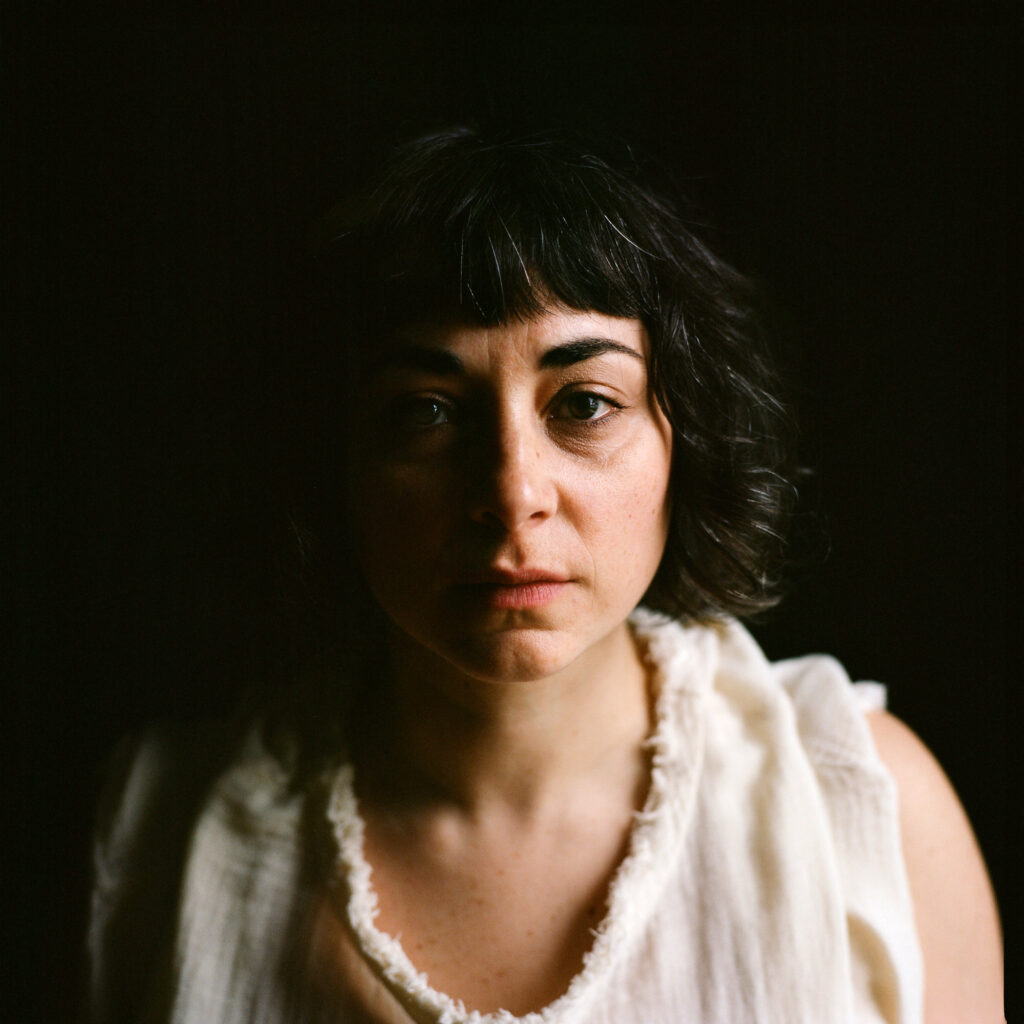
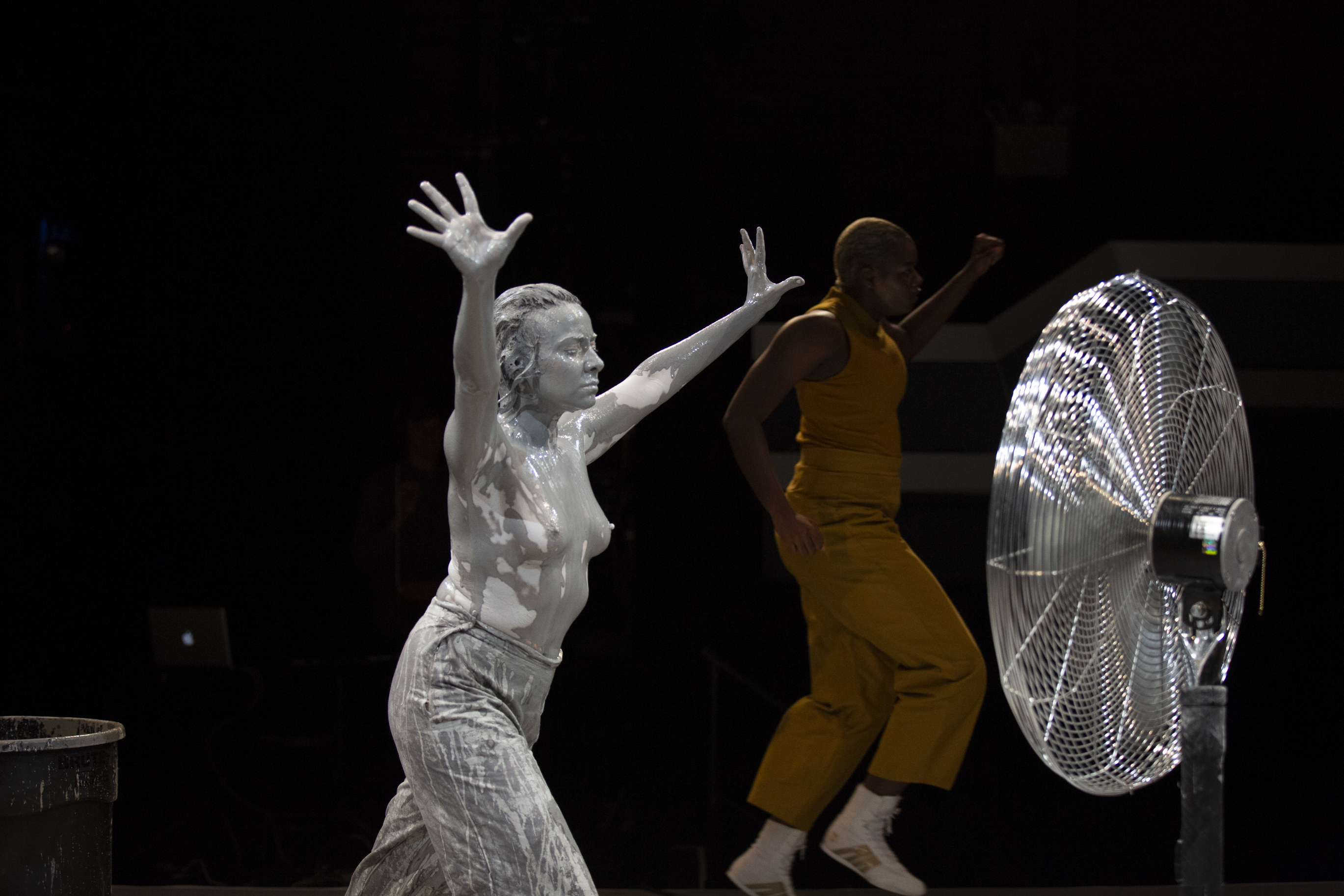
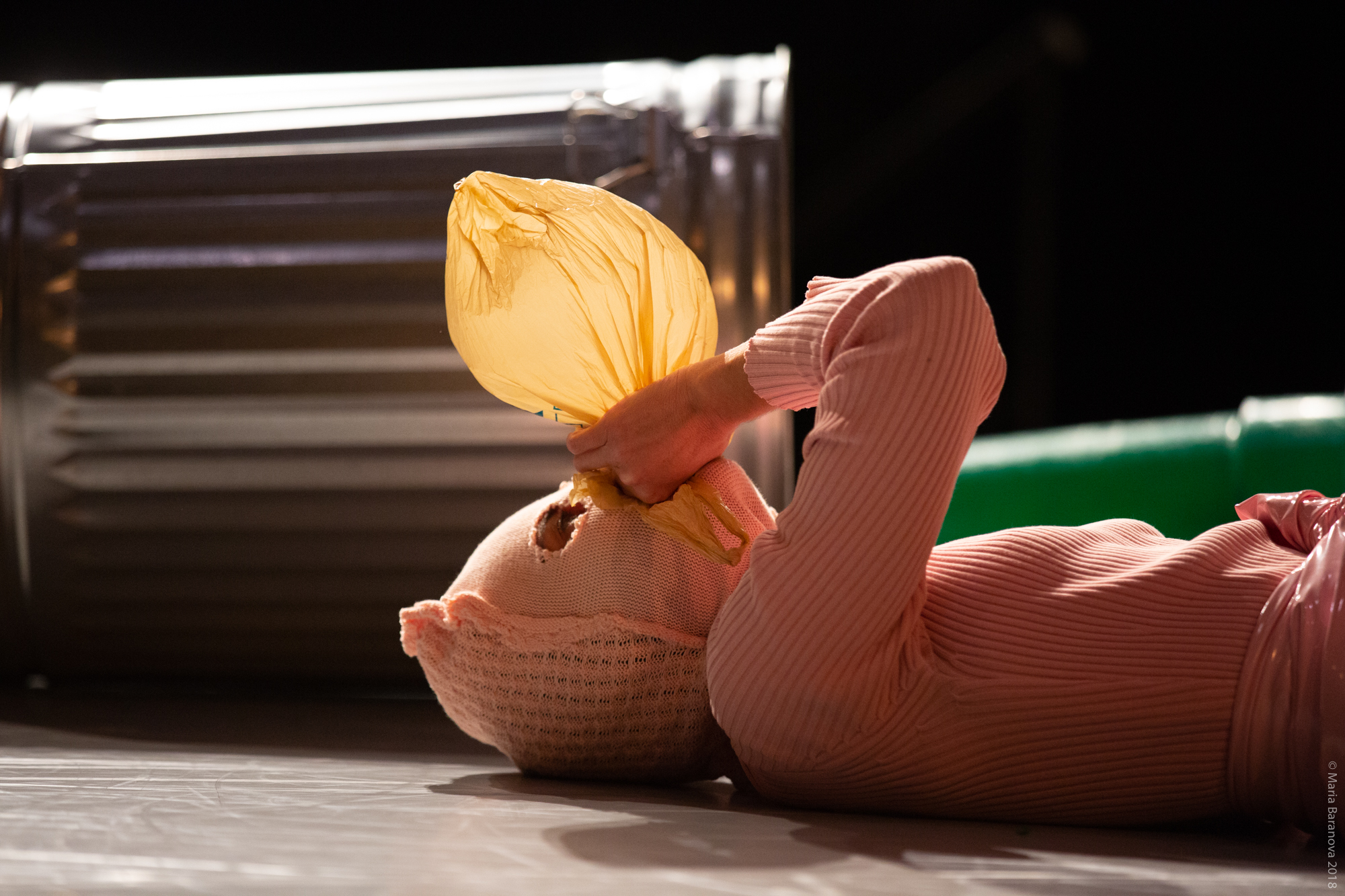
As long as I can remember dance has been present. It's a history, a framework, a language and a community where I discover and know myself. I choose it over and over again, always finding something new. This expansion over time moves in two directions: outward, towards others, away from what is familiar, and inward towards unknown, unspoken truths.
My early dances from 2005-2014 tried on the cool aesthetics of postmodern dance and cut my choreographic teeth through experiments with formalism. Electric Midwife (2011), an obsessive work for six women in mirrored symmetry, is a hallmark of this early phase. Then a critical shift took place. I shed my attachment to those aesthetics, searching for something personal. Fatigued by a stoicism in my work, I wanted to unlock drama and find an experience closer to what I had as a young girl dancing. Back then dance was traditional and narrative. It was telling stories with your body and pretending to be someone or something other than yourself.
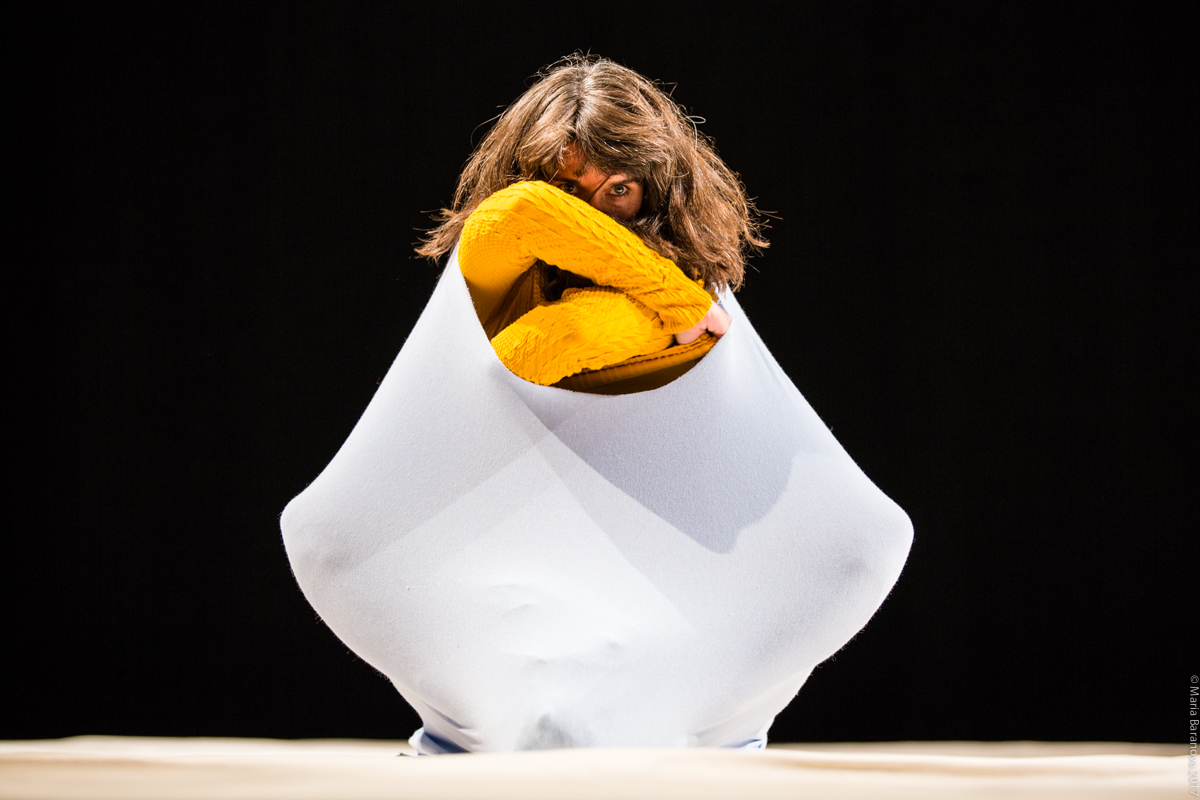
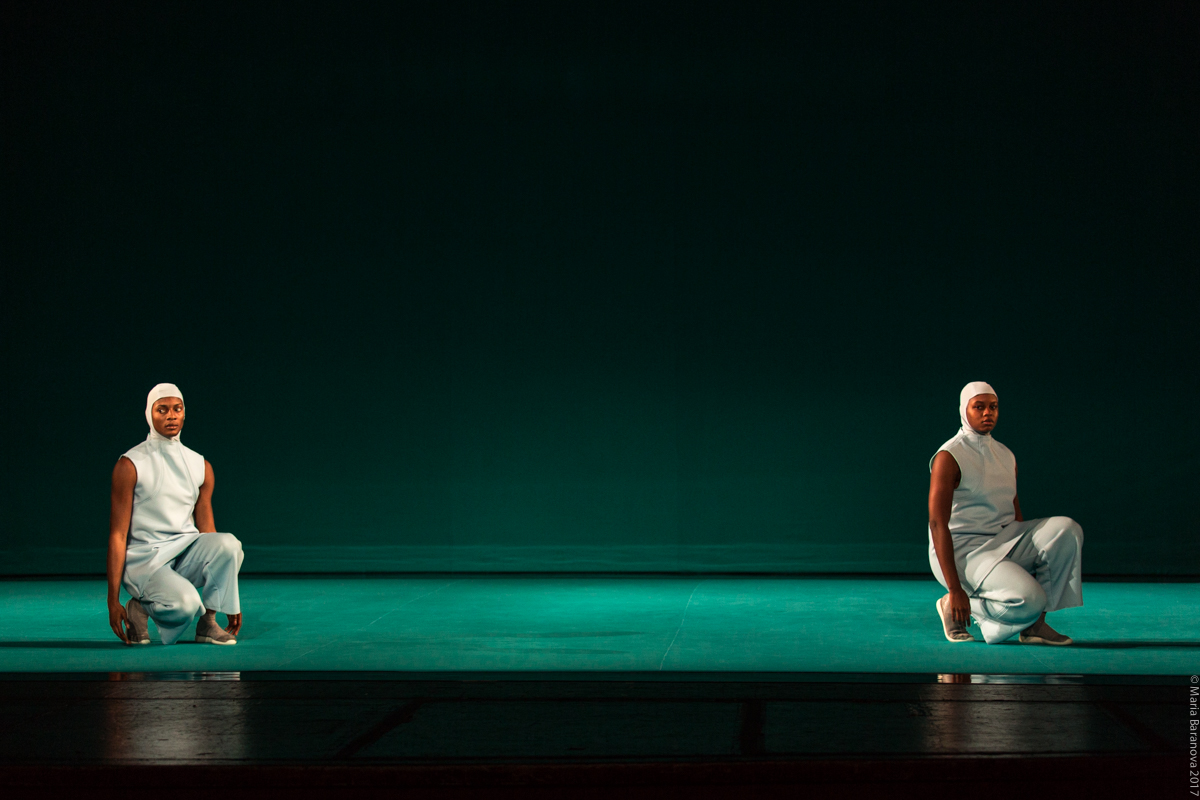
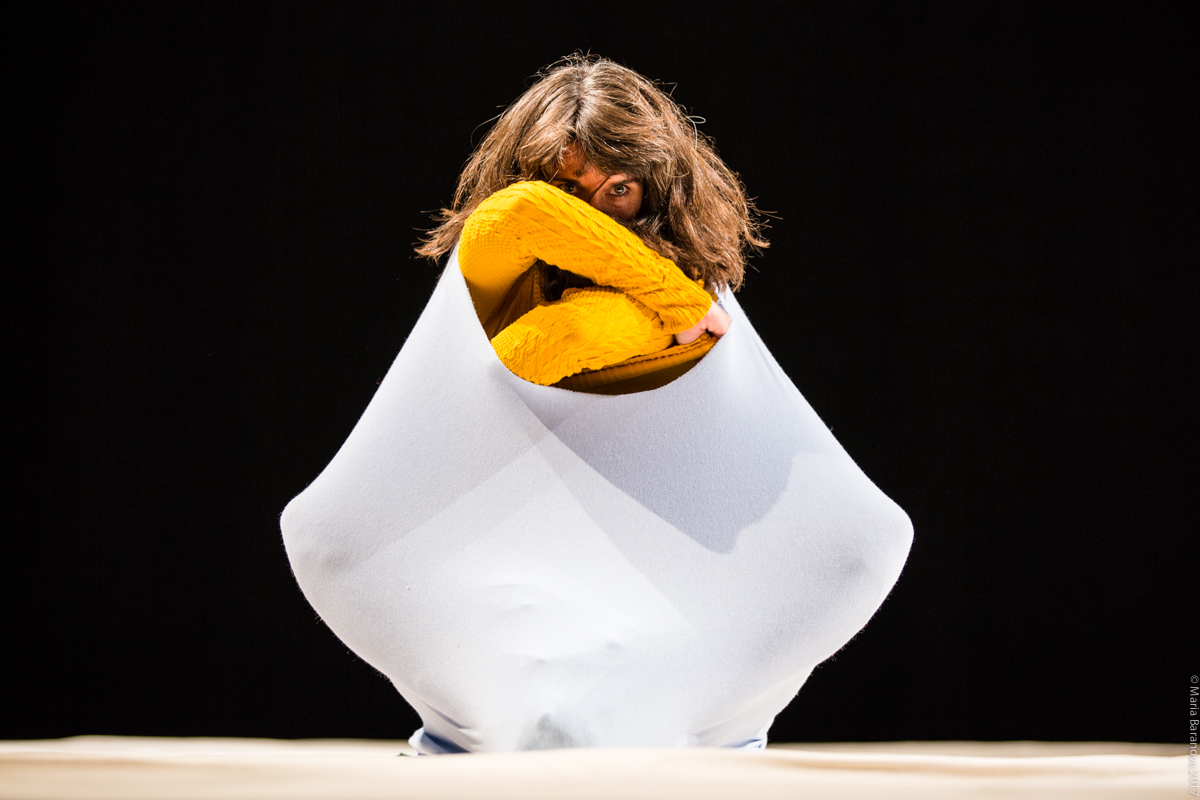
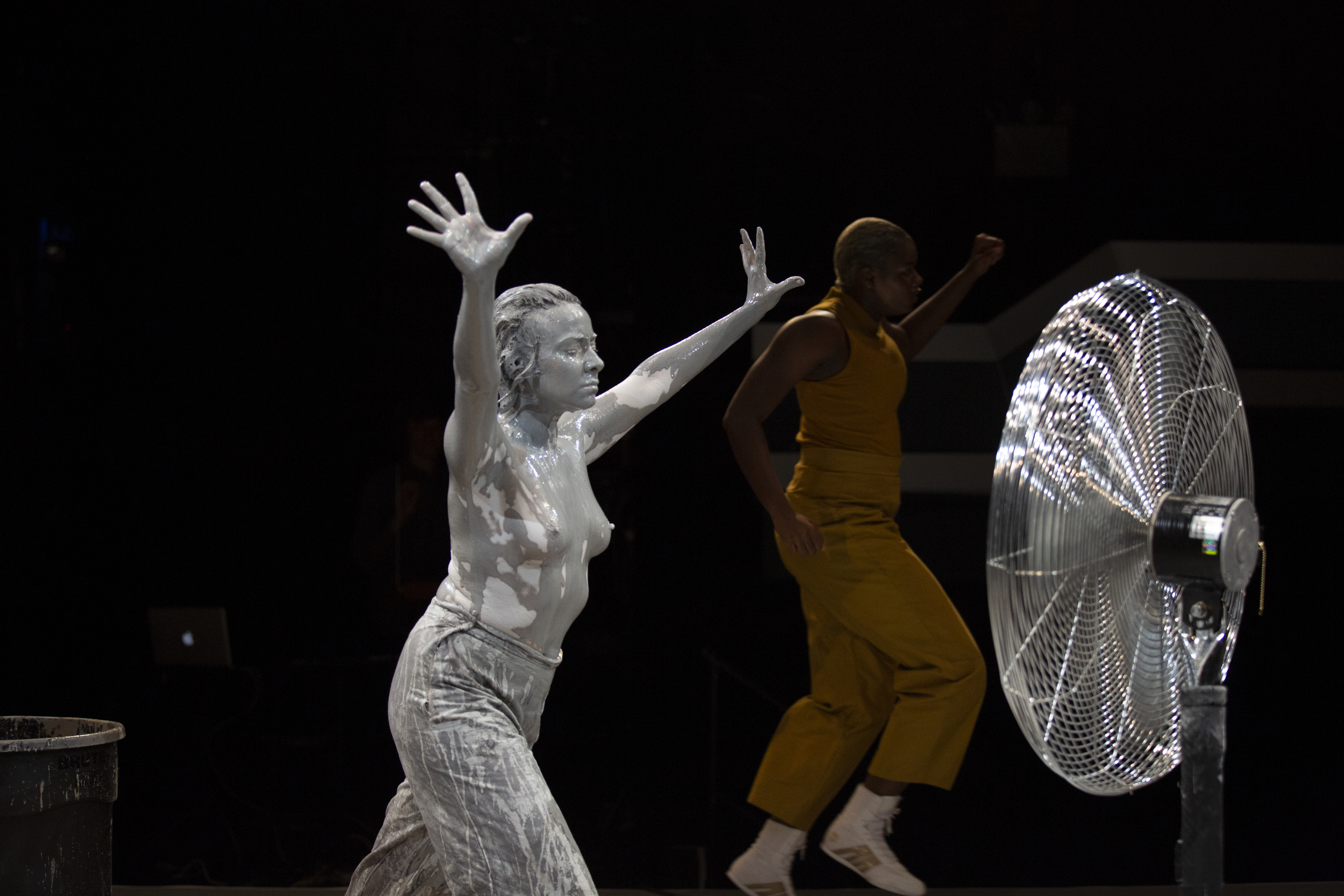
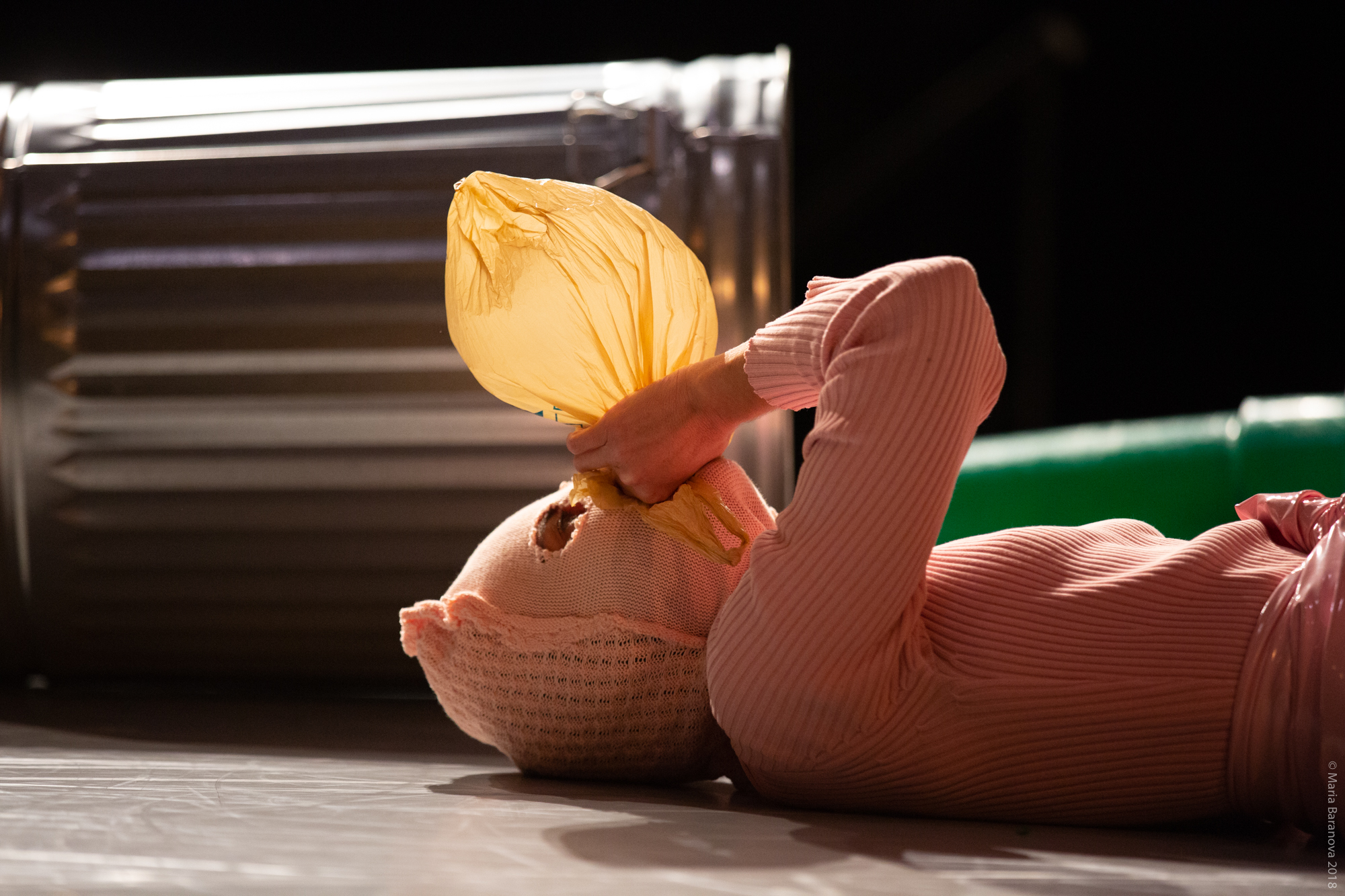
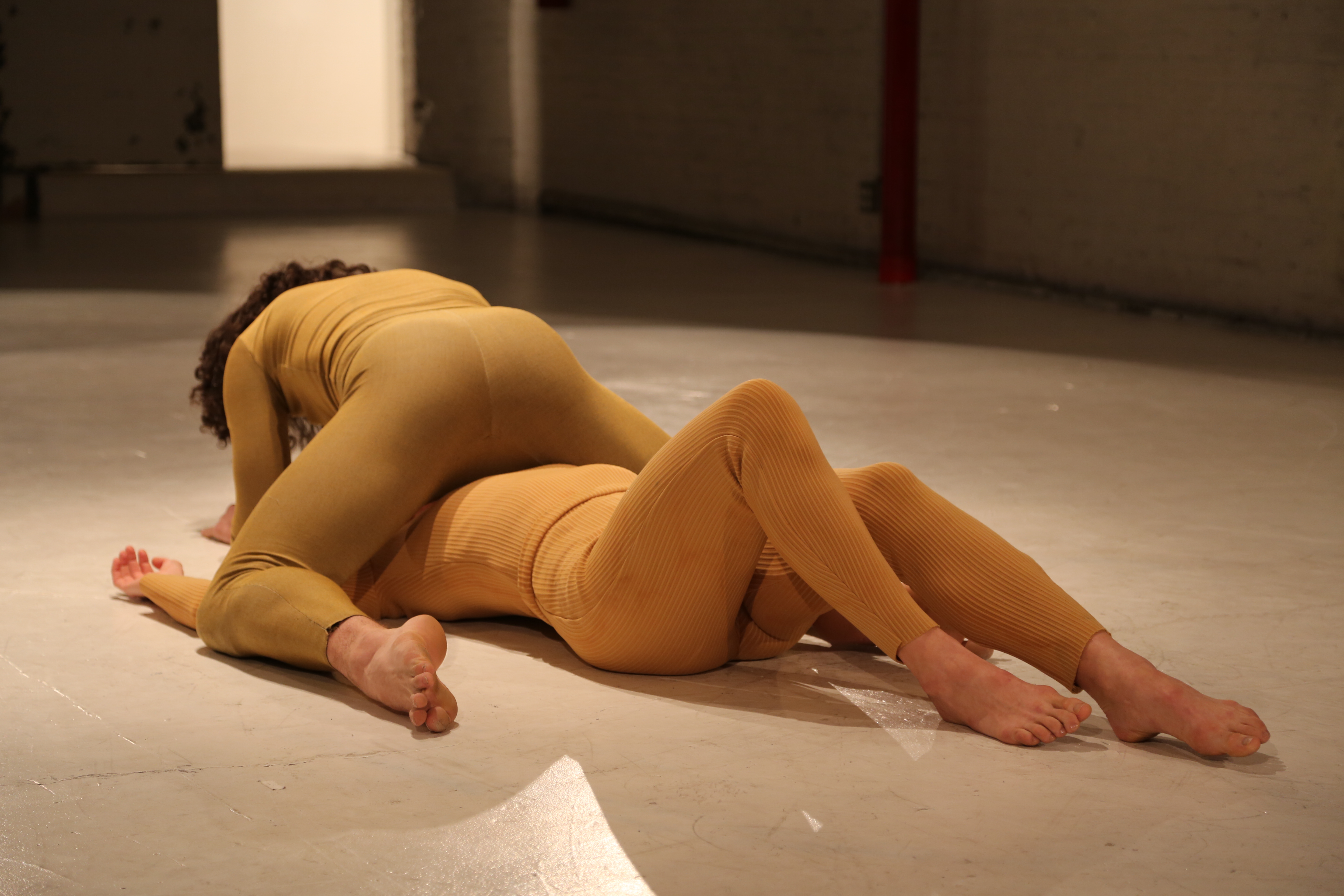
Imagination and psychology became portals to do this. I started daydreaming as a practice to access my unconscious and see the dance I wanted to make. The work that emerged was Catacomb (2016). In it a lone observer, a faceless symbiotic pair, a heroine, and a Puck-like narrator symbolically outlined a wordless narrative. Catacomb feels ancient and prophetic like the language of myth, but also futuristic and other worldly. It combined the epic storytelling of my dancing youth with my love for science fiction and fantasy. It redirected my formalist instincts into a hybrid aesthetic world, juxtaposing different modes of dance.
The shift was profound. It changed how I use abstraction. It became a tool to temper narrative and character, and dilute an image away from literal interpretation to create an associative, symbolic entry into meaning. Thinking about story and character has changed how I work with my dancers and how we engage culture, politics and history. The characters we create are amalgamations of us, speaking through and across cultural spaces towards a collective unconscious. We talk about what a role might be, in terms of the cryptic imagery I initially imagine. We dialogue about the potency of these images, the cultural spaces and histories they occupy, and the implications of embodying them. This rich interpersonal and sometimes cross-cultural work creates a complicated system of authorship and expression in my dances.
The work we do, to imagine alternate realities feels less like acting and more like psychodrama. The performers, self aware, commit to these acts of visualization in order to access emotional and physical catharsis in their bodies. In doing so they transform what could resemble a surrealist story ballet into a visceral space of ritual.
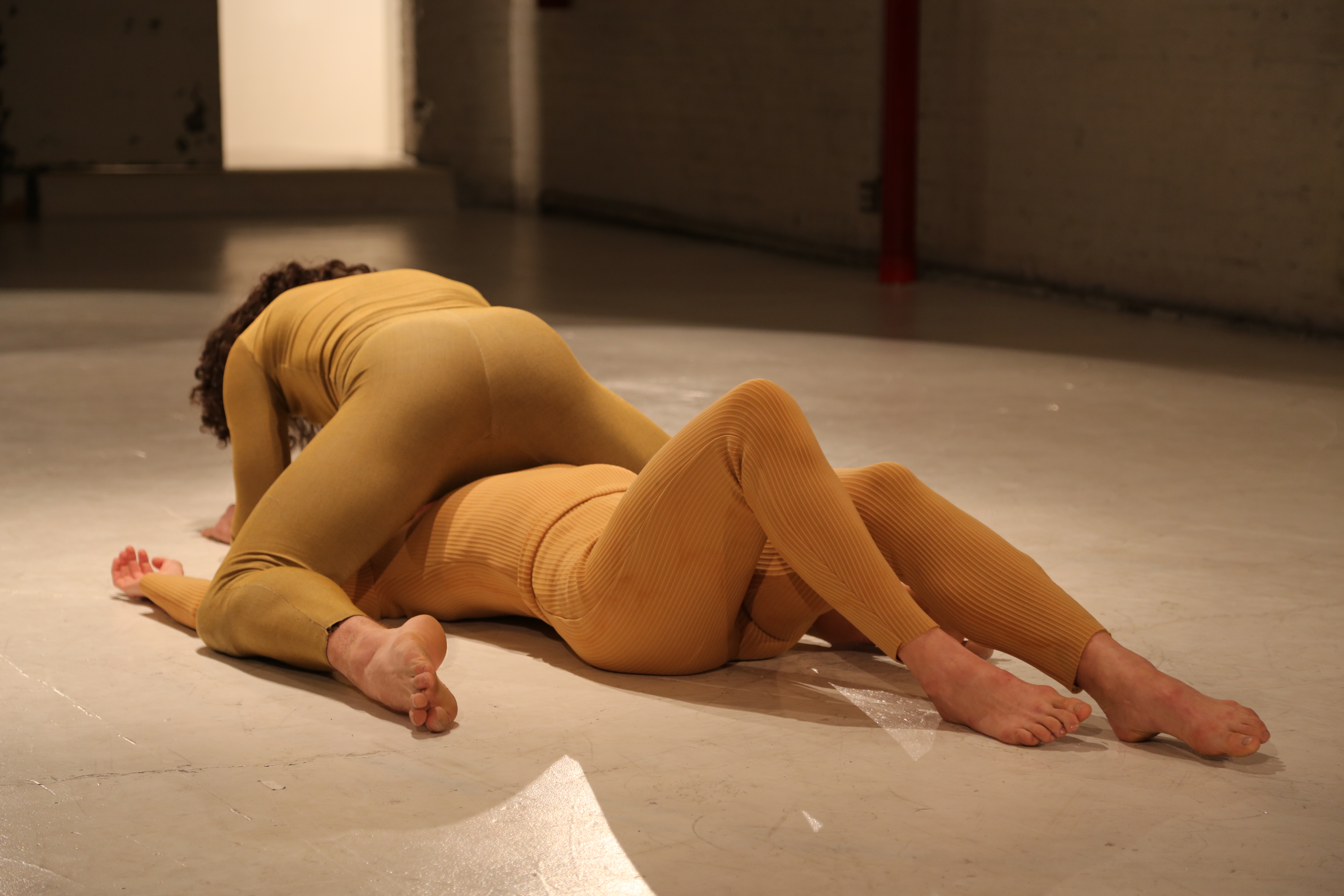
Psychology is an important lens through which I consider all aspects of my work: my creative process, collaborative relationships and the dances themselves. The evolution of my artistry and the recurrent themes it engages relate directly to my own personal psycho-spiritual development. Historically these themes have been: control, obsession, sexuality and intimacy.
I am drawn to absence and loss. The emptiness of certain spaces. The disappearance of something. The ephemera of a work. My dancers are often performing states of alienation and disconnection. They relate to the empty spaces around them and the space between their bodies, illuminating a longing for connection and the loneliness of living. These ideas produce a familiar tone that resonates through small and large aspects of my work.
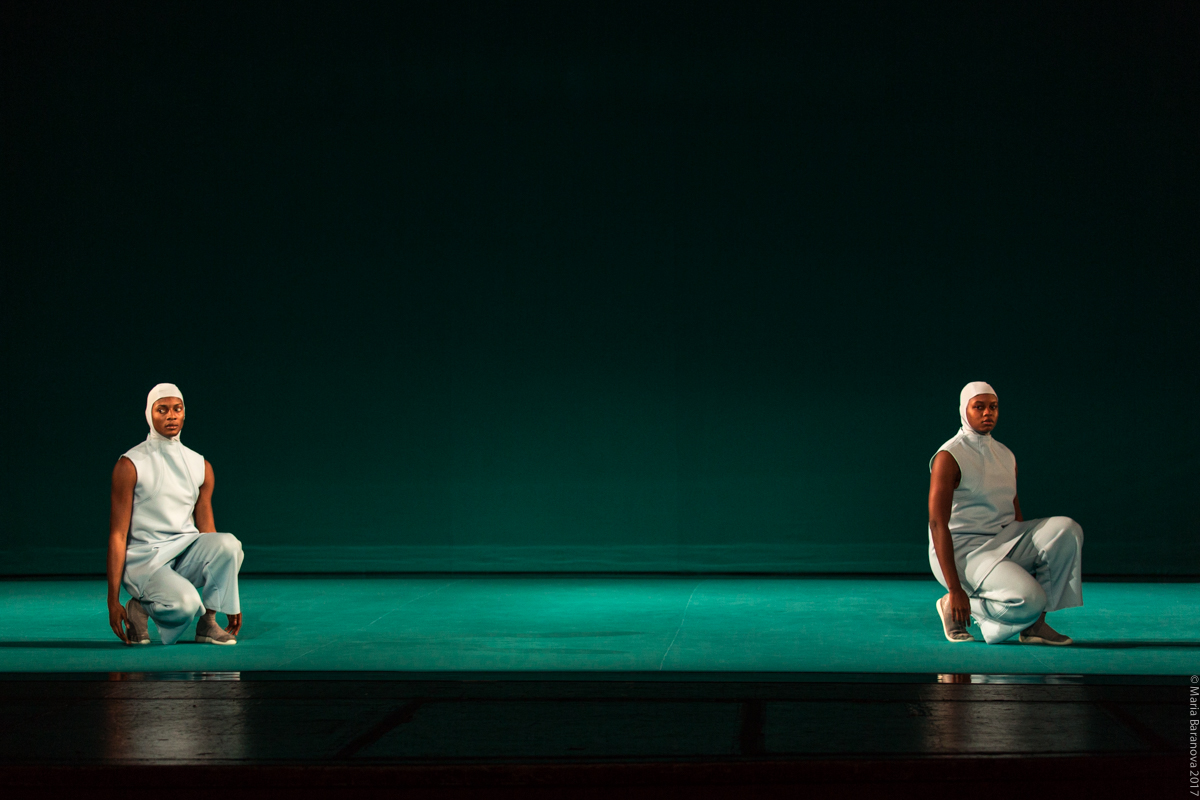
I’m interested in perception. The fact that your and my perceptions are totally different, as well as the ways that we may perceive things similarly. I’m interested in time as a portal to alter and heighten experience. I play with stillness and sustained action to slow down the delivery of information, asking the audience to wait, be patient and watch. These tactics, which bring awareness to the act of seeing, encourage the viewer to become a witness, not just a consumer. I modulate time in terms of moment–to-moment engagement and also on a large scale – through long dramatic arcs perceived and appreciated through the dance – arriving someplace totally different from where it began. Journey and transformation are dominant themes in all my dances, expressed through these durational structures and also more apparent content.
I am both a traditionalist and experimentalist. My work is physically technical and uses classical compositional forms derived from early training in ballet, modern and postmodern dance techniques. However, it is anchored aesthetically and politically within the avant garde.
My dances are serious, slow moving and chiseled. Like horror films they are studies in extreme tension. The focus and arousal they create is a kind of escape and transcendence of the everyday. Though set in theaters, my dances border the visual arts. Design is an essential component. The dramatic play of color, texture, light and scale transforms objects and costumes into players. My dances are not of this world. My love for science fiction, fantasy and myth bleed into my work’s abstract palette, producing a fragmented sense of story told through imagery, archetype and symbolism. I often build supernatural capacities into the imagery of my characters and ask dancers to animate their bodies.
I am concerned with many things right now: the state of the world amidst the COVID 19 global pandemic, the social uprising and the necessary centering of Black Lives Matter, the environment, global warming, and the future of our planet. What is the world my one-year-old son will inherit? The magnitude of these concerns is overwhelming.