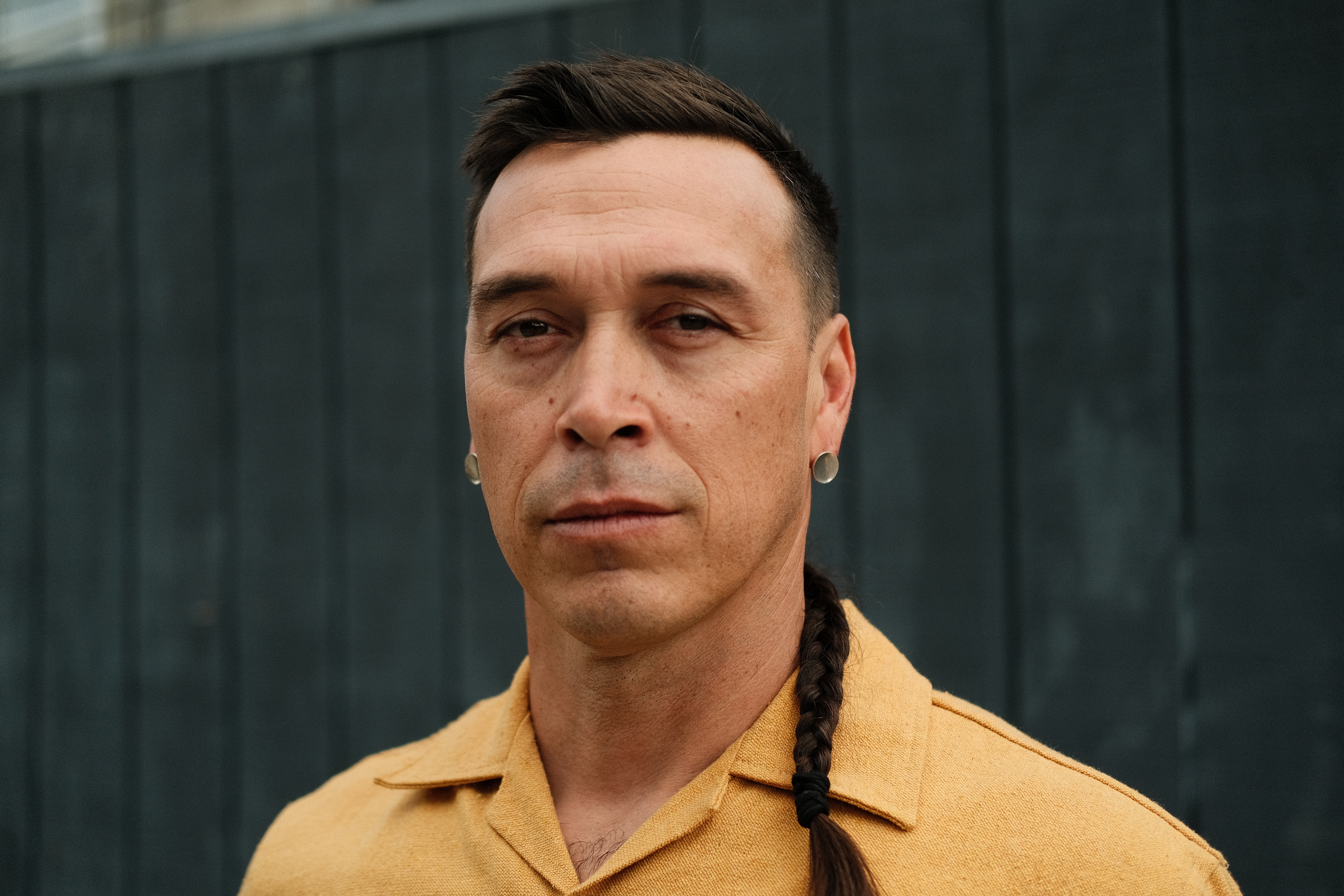
My name is Cannupa Hanska Luger. I am Mandan, Hidatsa, Arikara and Lakota and an enrolled member of the Three Affiliated Tribes of Fort Berthold, born on the Standing Rock Reservation in North Dakota. As an interdisciplinary artist, my practice is rooted in the traditions of generations before me and augmented by the requirements of survival. I learned clay work from Indigenous elders, welding from my parents, sewing from my relatives; other skills have been acquired from friends and through collaboration. The tradition of making things work is what influences my craft and creative practice most. Given the legacies of cultural appropriation and annihilation brought on by colonization, the endurance of these traditions – both craftwork and the practice of making things work – is characterized by resilience, adaptability, and survivance.
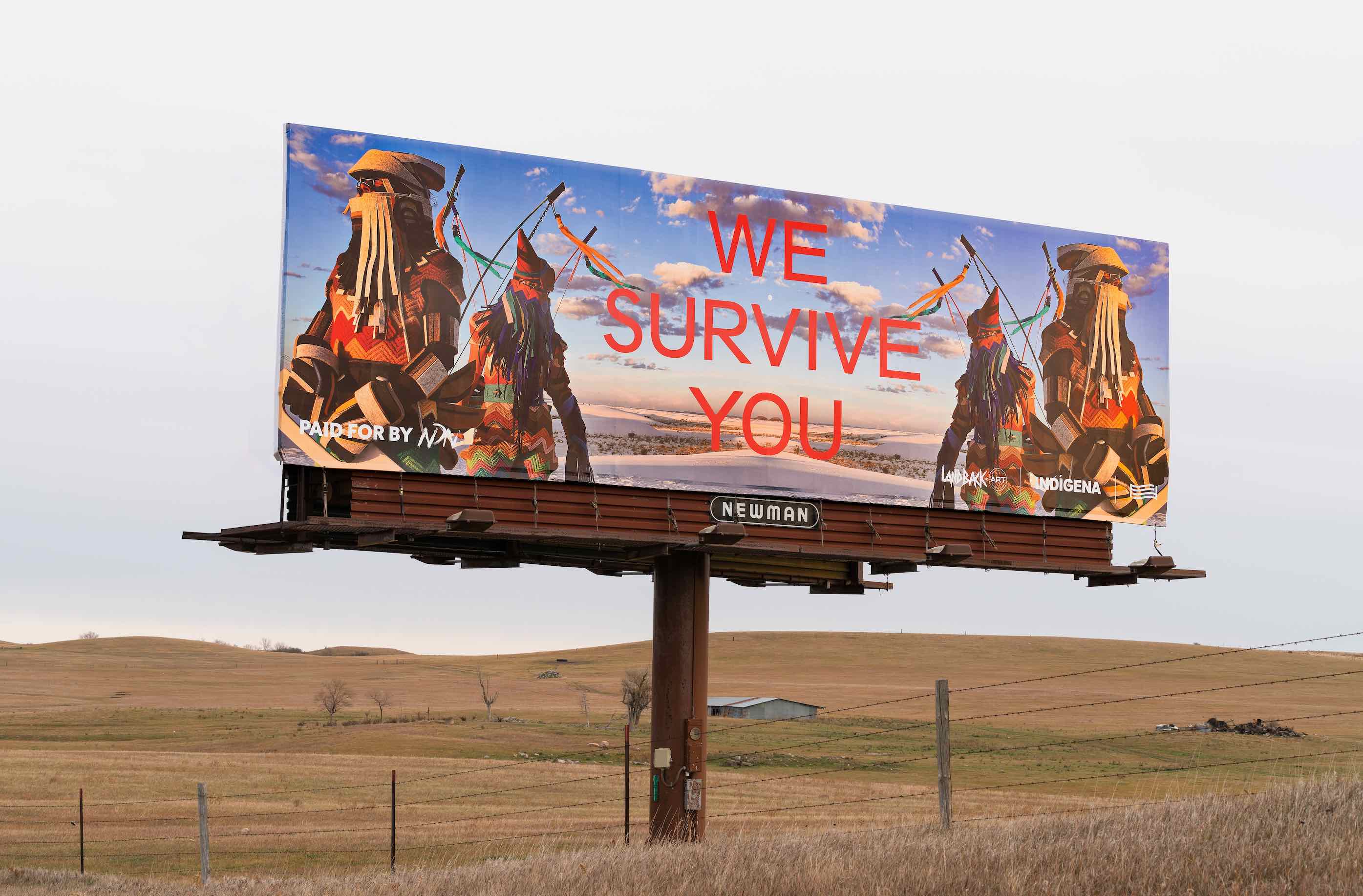
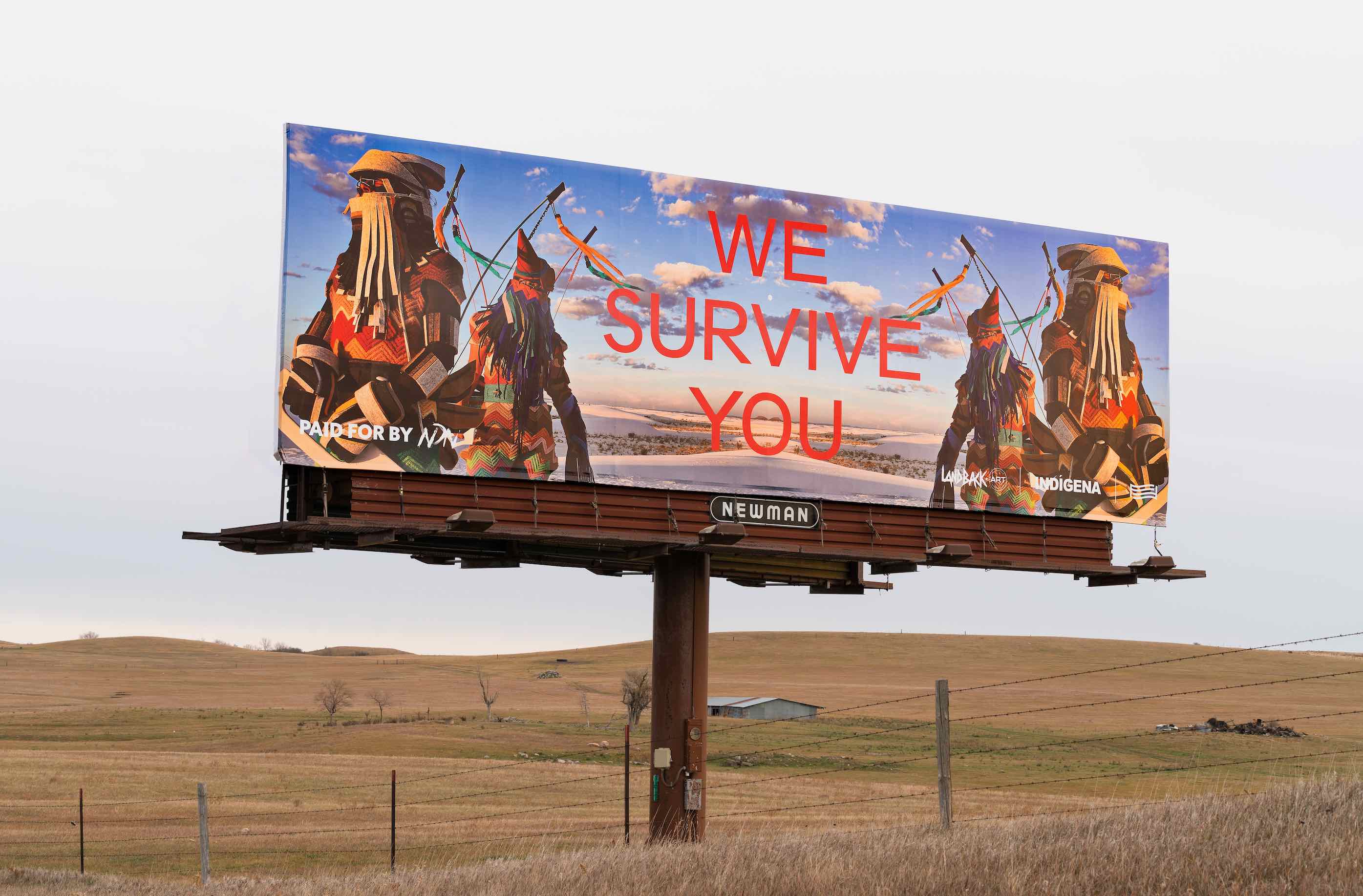
I produce multi-pronged projects that activate speculative fiction and communicate stories about 21st century Indigeneity. I combine critical cultural analysis with a dedication and respect for the diverse materials, environments, and communities with whom I engage. Increasingly, I interweave performance and political action, provoking diverse audiences to engage with Indigenous peoples and values apart from the lens of colonial social structuring. At times the work presents a call to action to protect land from capitalist exploits; at other times it brings people together for a shared experience of future-dreaming.
I aim to create beautiful art but moreover, I want to lay groundwork, establish connections, mobilize action.
I want to make real impact and this motivation increasingly pulls me out of the studio and into the world. Whether working with galleries and institutions, with scientists and tribal communties, or with the land itself, my work has become inherently integrated. As my practice grows, I feel empowered to challenge the systemic conditions of capitalism while claiming space for urgent and emergent Indigenous narratives.
In reckoning with performance as an art-form, I have come to a point of clarity in my practice to assert that the land, the water and the sky are the primary audience. I reformat the mechanisms of spectatorship by humans to be invited to witness merely the ripple of the initial action. In this way, I protect my experience as an Indigenous body and allow those viewing the work to be more immersive, more empowered, more connective. If audiences can be invited to experience a performance in their own time, they might find inspiration to activate change in response to the work.
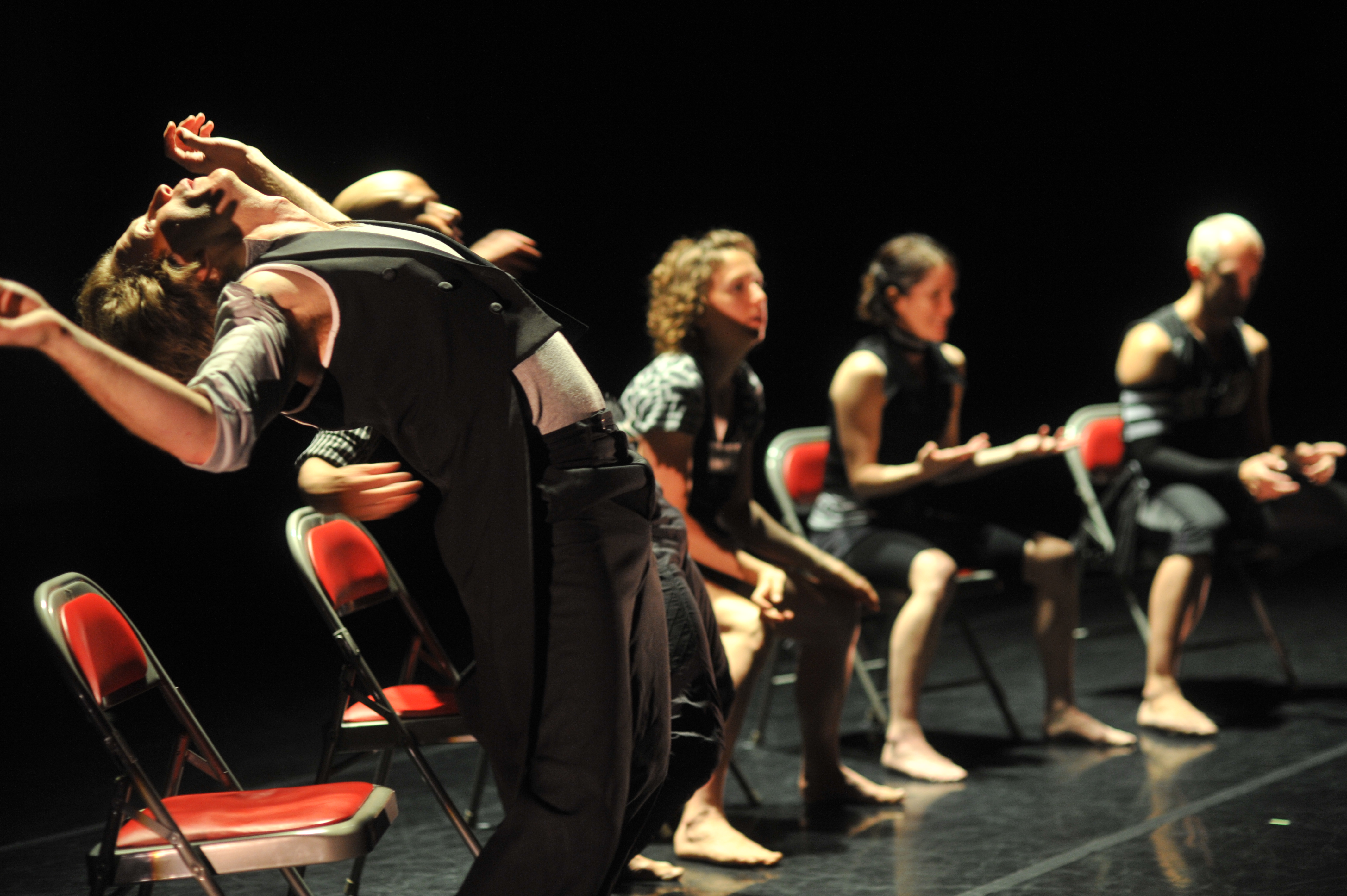
My performances prioritize intimacy over spectacle by making the human audience secondary. I make work for land and water; I make regalia and create movement and perform for places that have been devastated by extraction, or worse, because I believe that if it’s done with reverence, this work can heal. I understand that there is a value in sharing this experience with others. I document the action and I make its memory available to witness. My performance work is intentionally viewed primarily through video installation. This format allows the container I require for full presence with the land during an action. By sharing contemporary Indigenous ideas through performance on the land, without an audience presence, I hope to upset the expectations, categorizations, and power dynamics that characterize western colonial paradigms.
As an Indigenous artist, I am constantly confronting the systemic stereotyping of my culture, and because of this, I feel an inauthentic exchange when making work primarily for an audience’s entertainment. It gives the passive onlooker far too much power over the most precious elements, while depriving the audience of a more engaged experience. I do not want my stories turned into attractions, transactions, or commodities. I do not make work for external approval. Rather, I want audiences to know that they are not being given access to the work’s sacred action and primary experience with the land and that an opportunity to encounter the byproduct of that primary experience is, in itself an action.
Reimagining how performance can be engaged from an Indigenous perspective can help us develop respect for things that are not ours to control; for me, decolonizing performance means creating moments to respectfully and reverently be in relationship to the land first. After this understanding, only then may we know how to be in relationship to each other.
Centering Indigenous thought in this way upends western cultural norms, which can be threatening to those averse to change. In a world where capitalism still reins, this work asserts the value of slow, earth based thinking — in concept and in practice and in ways that subvert societal expectations.
We must do everything in our power to help 21st century humans develop global accountability and earthly belonging; Indigenous wisdom can help. Whether you call my work theater, performance, or something else, I’m doing what I can to enact a better future.
Future-making holds an important mirror to the present moment as does the artist; herein, I recognize the privilege in utilizing my practice to shift the paradigms of our society by dreaming new ways of engaging with work and life.
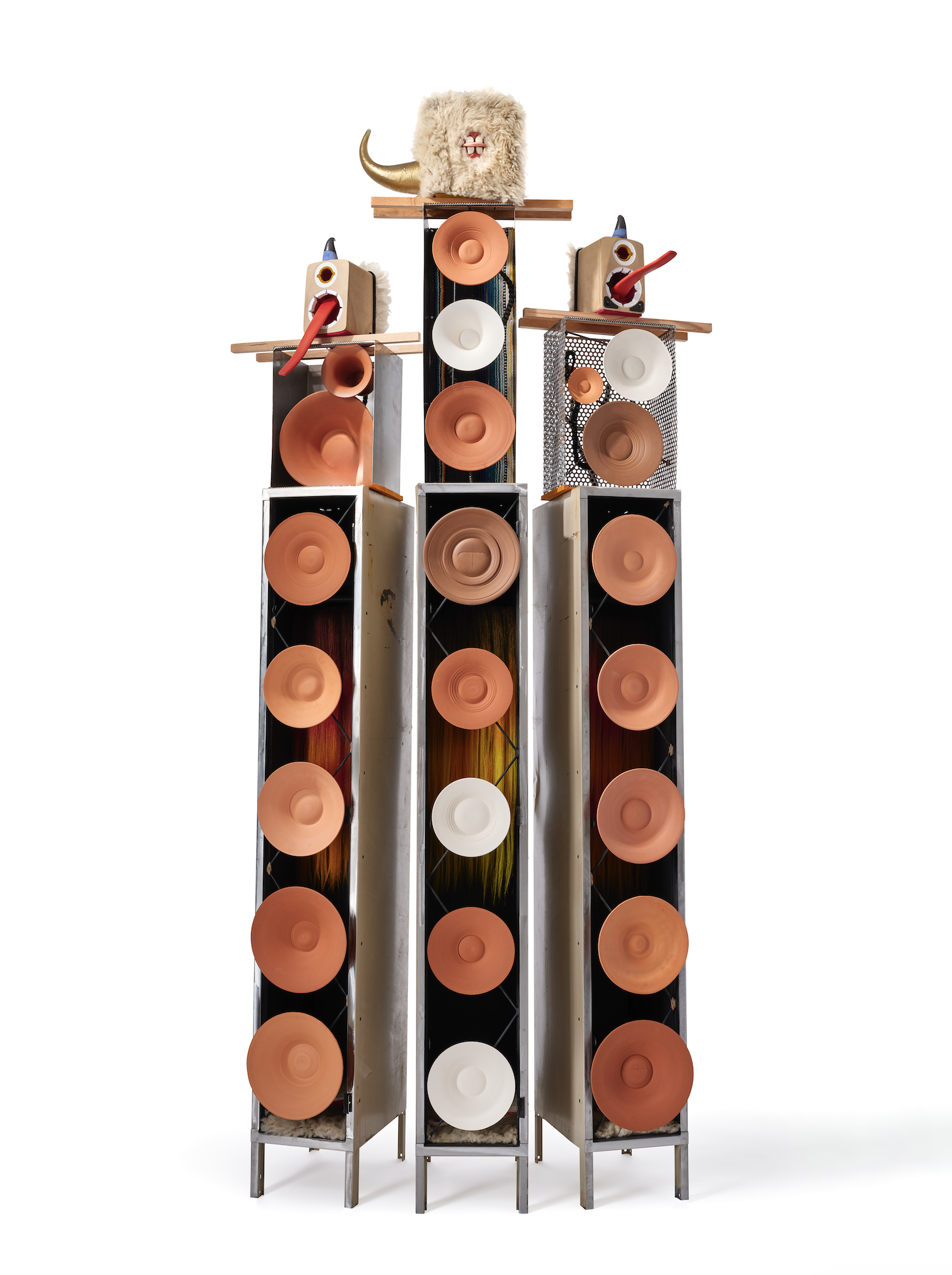
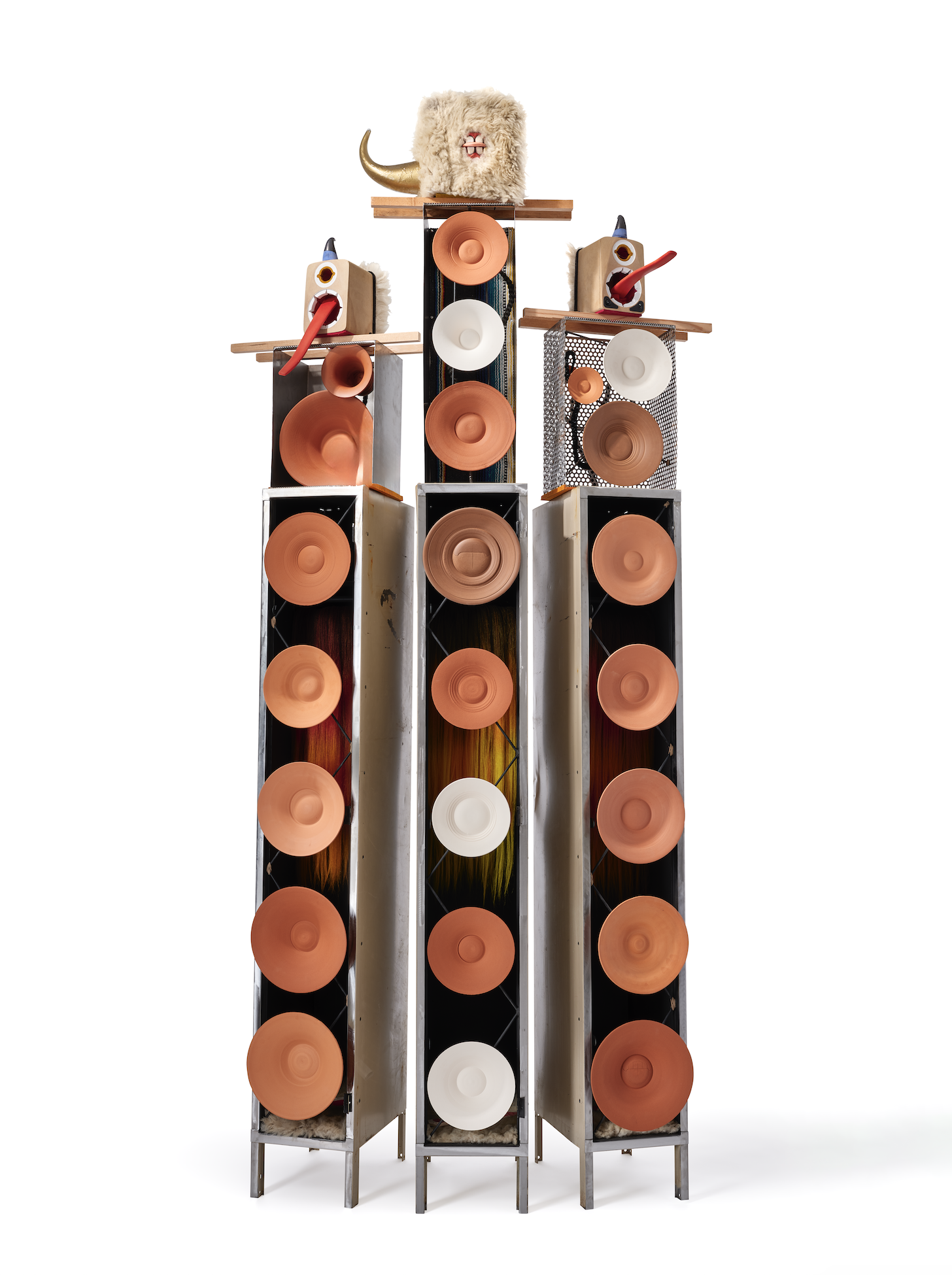

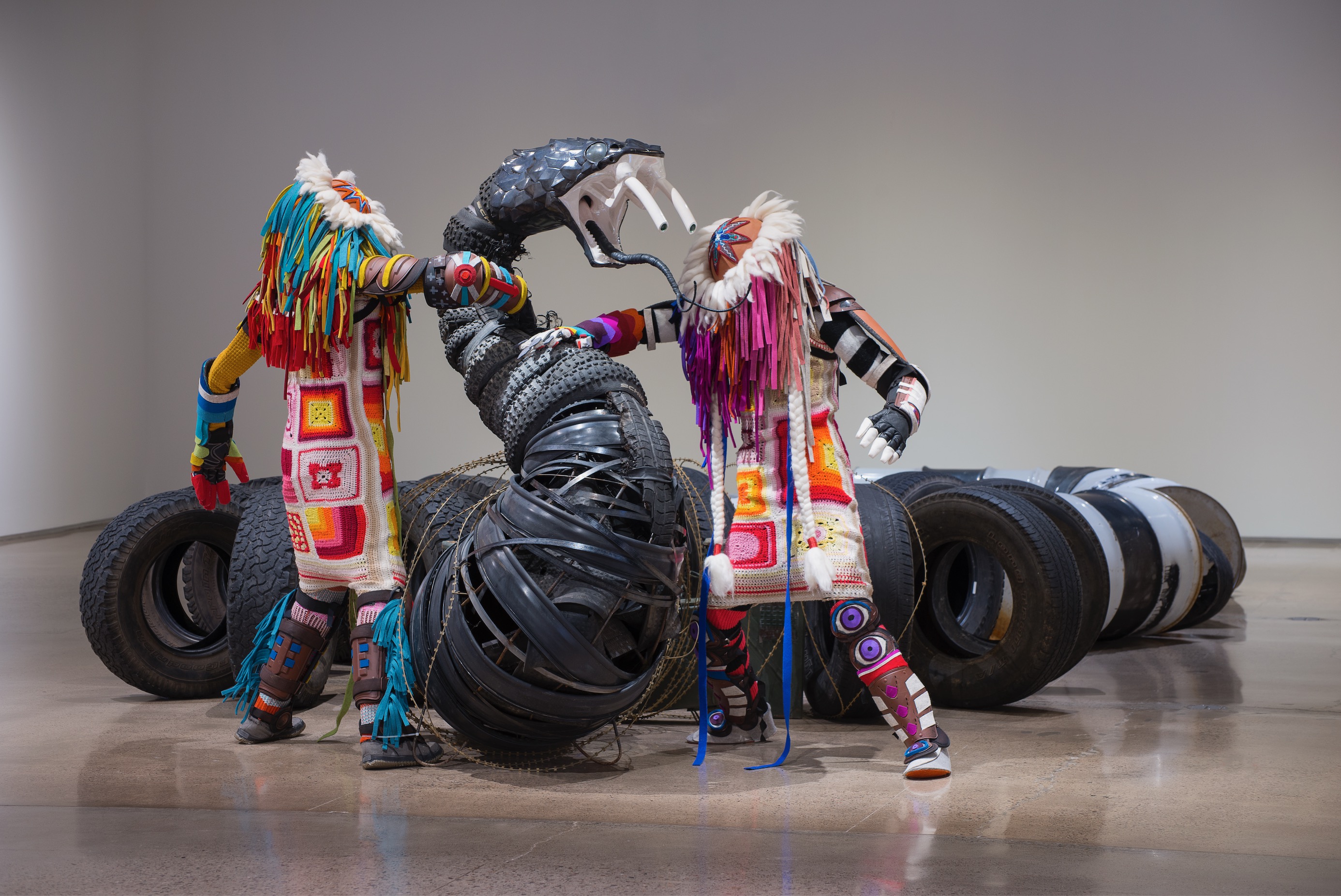
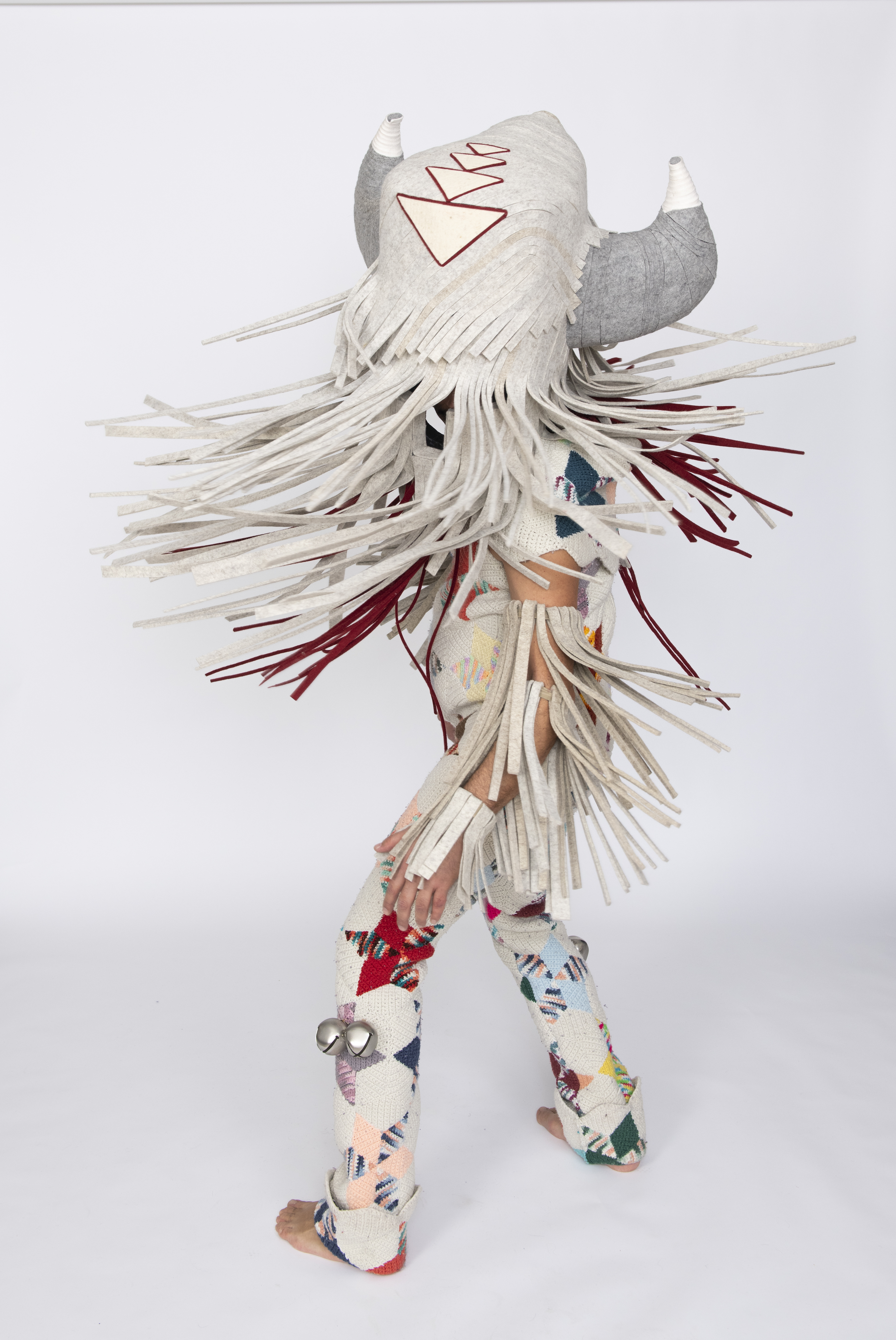
longing,%202019%20Ceramic,%20steel,%20fiber%2042%20x%2080%20x%2080%20inches.%20Photo%20by%20Kate%20Russel%20Photography.jpg)


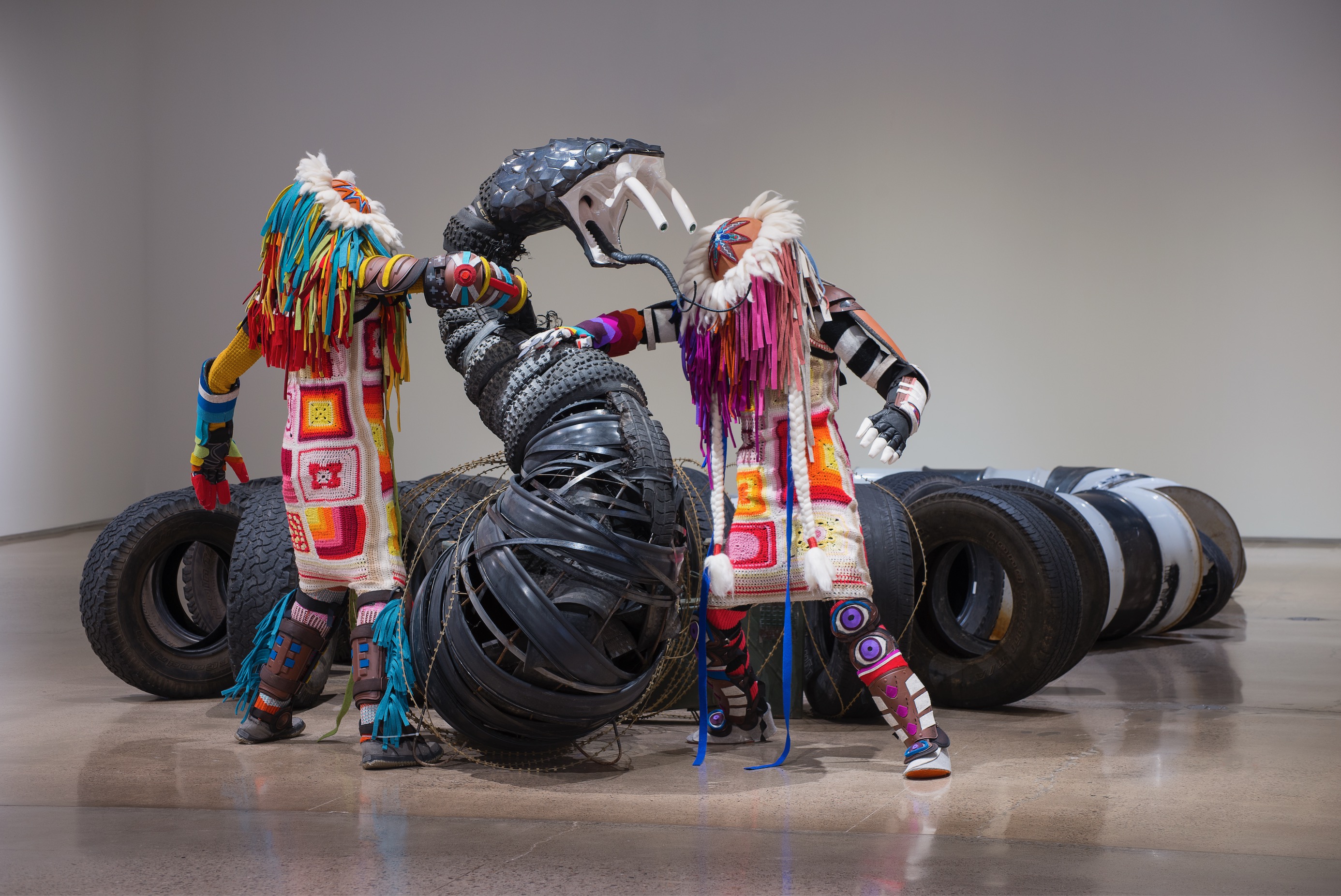
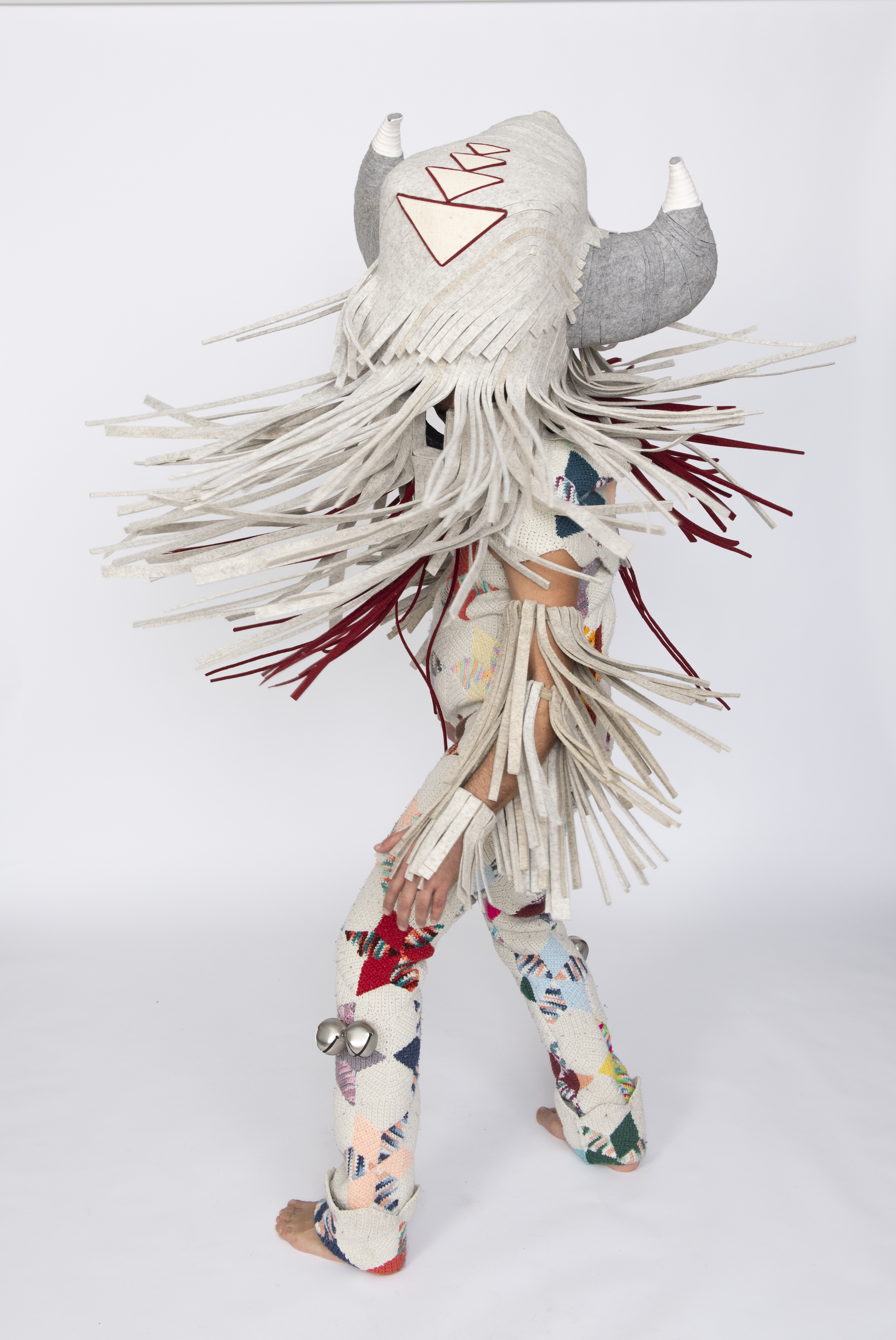
longing, 2019 Ceramic, steel, fiber 42 x 80 x 80 inches. Photo by Kate Russel Photography.jpg "Cannupa Hanska Luger- (Be)longing")