Maker
“An object is not an object. It is the witness to a relationship. In complementary union, two opposites collide to create new forms.”
– Cecilia Vicuña, from an artist’s statement
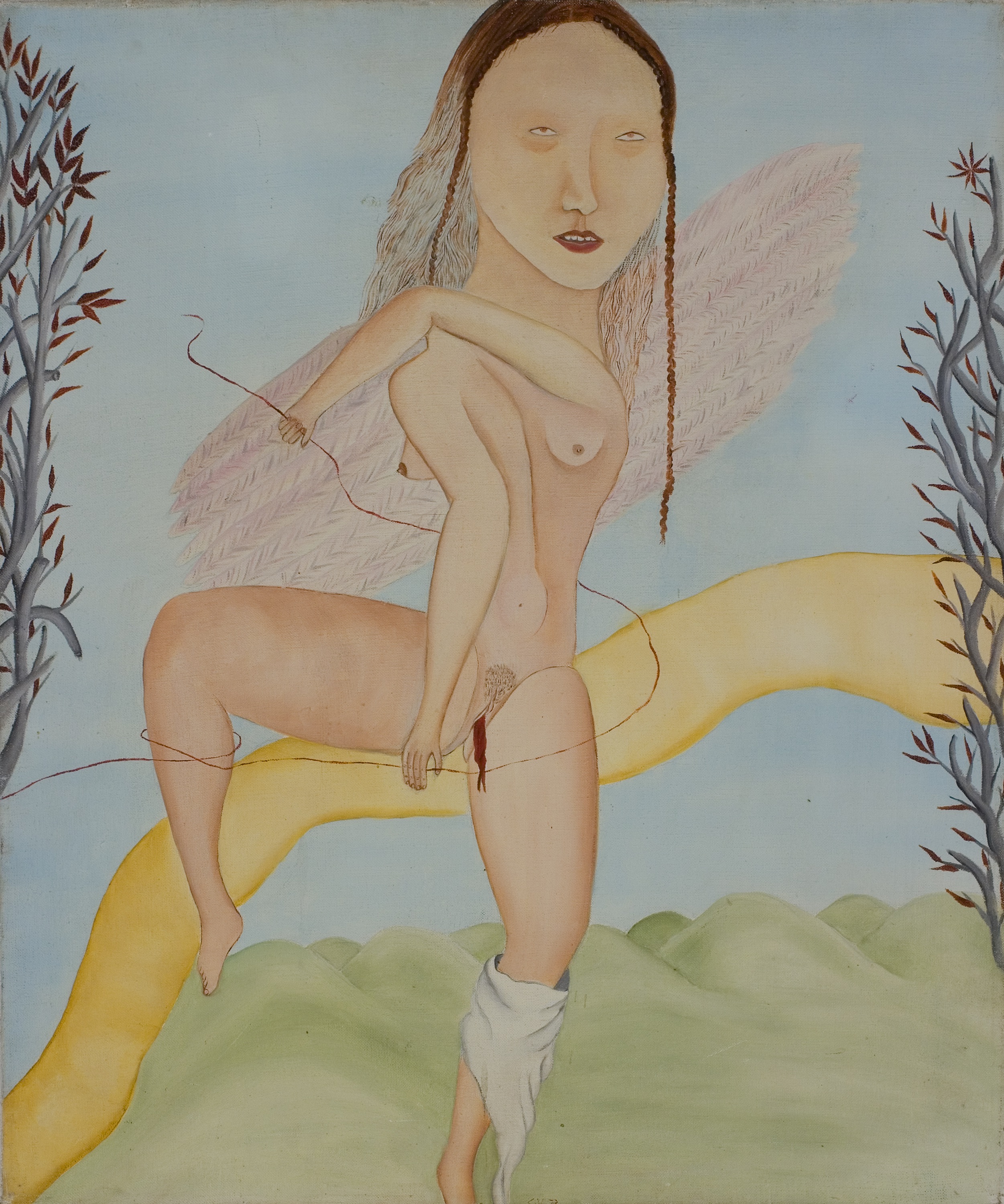
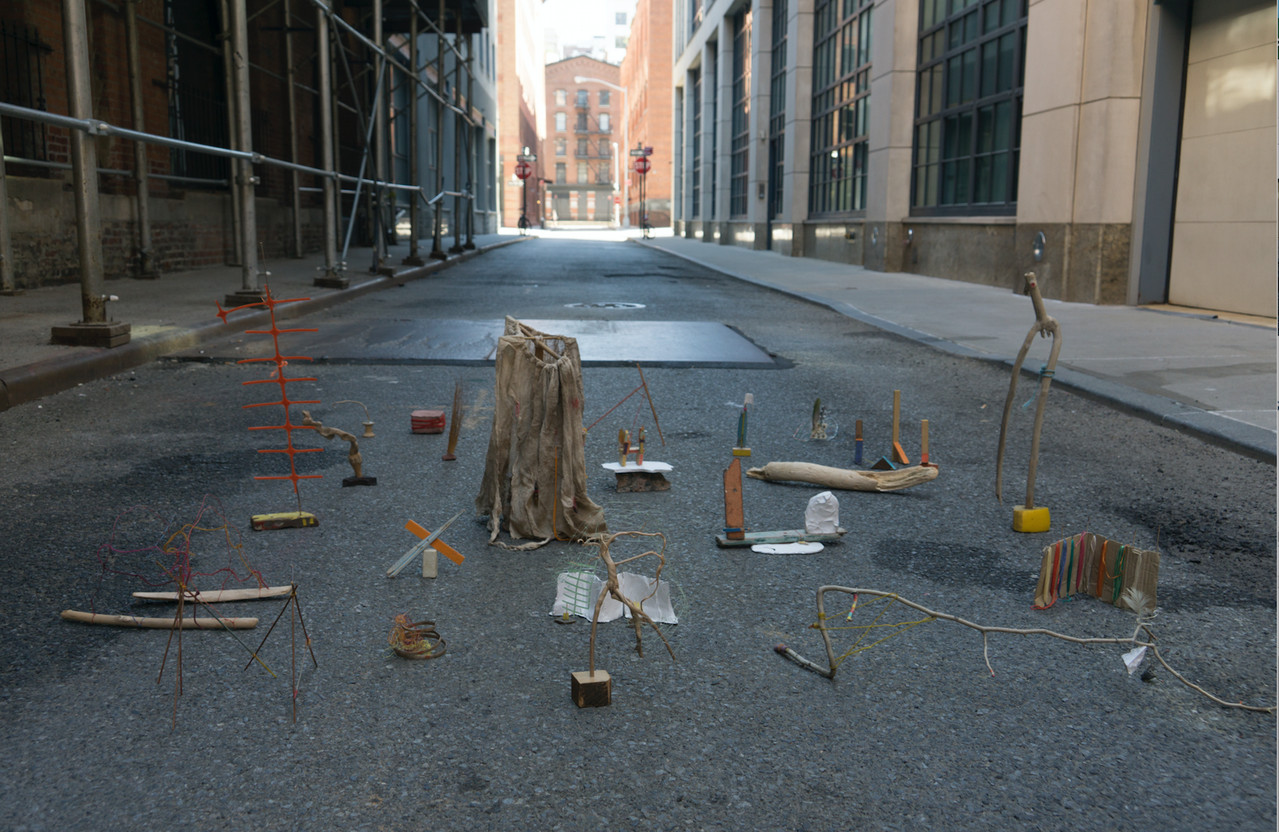
Vicuña began creating the “precarious” or precarious works in the mid-1960’s composed of often fragile materials (sticks, feathers, leaves, stones, bones…)
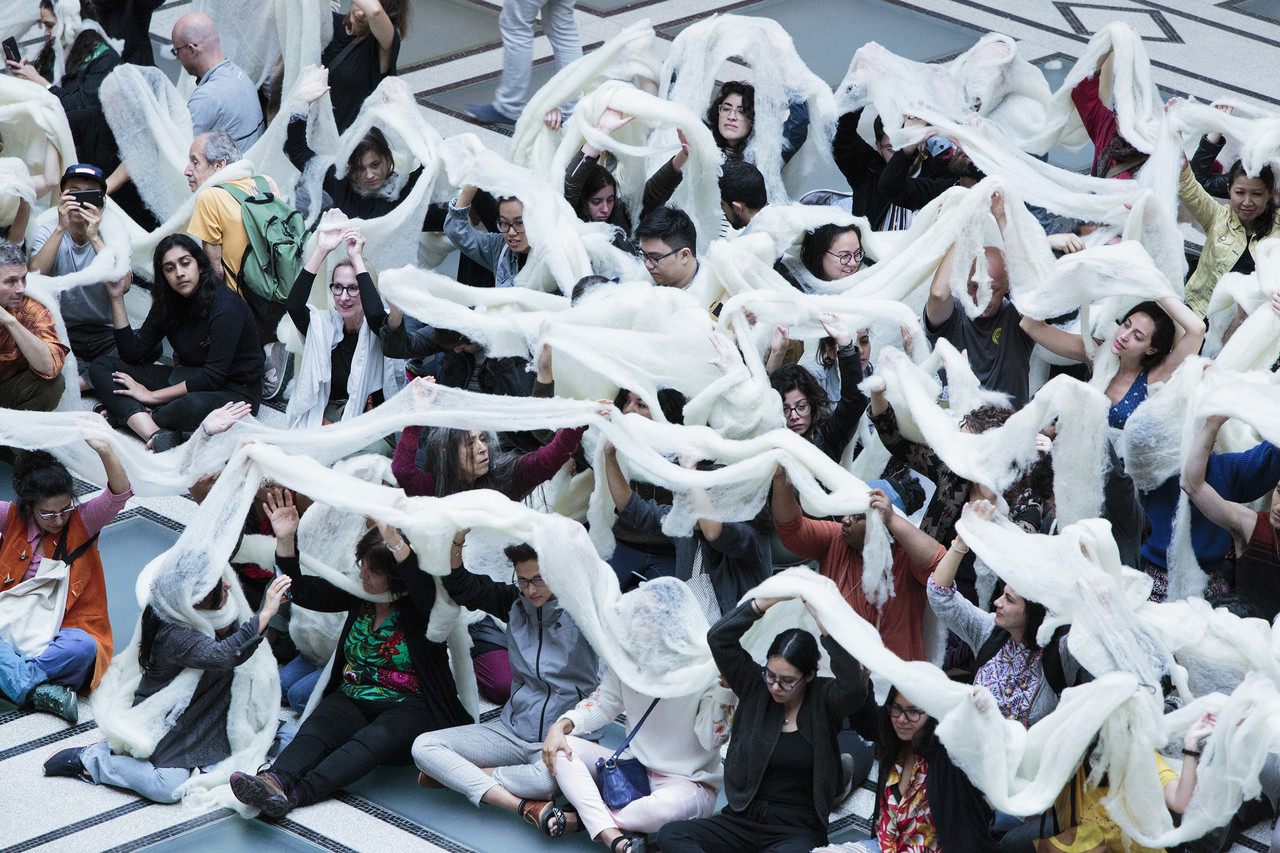
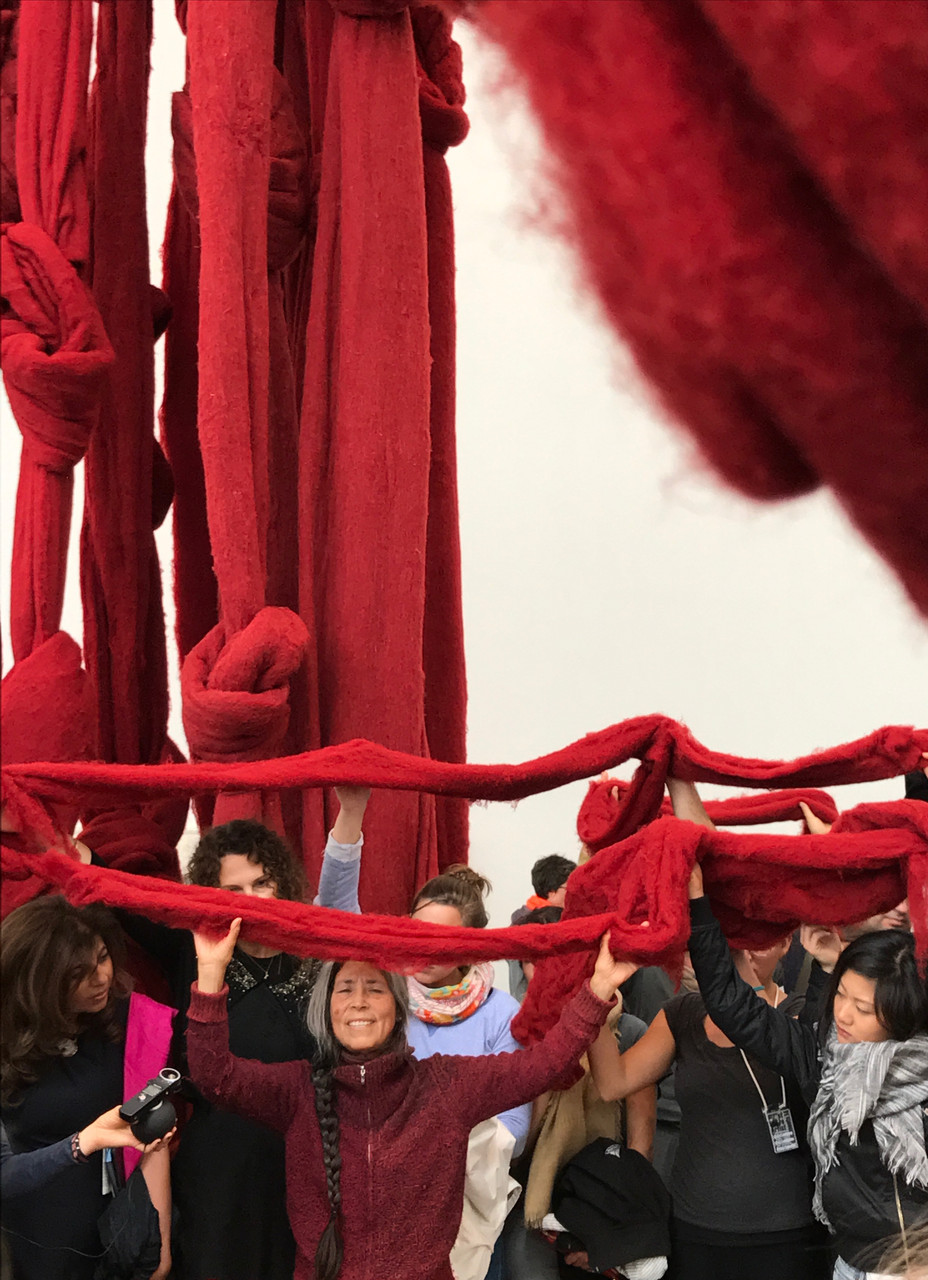
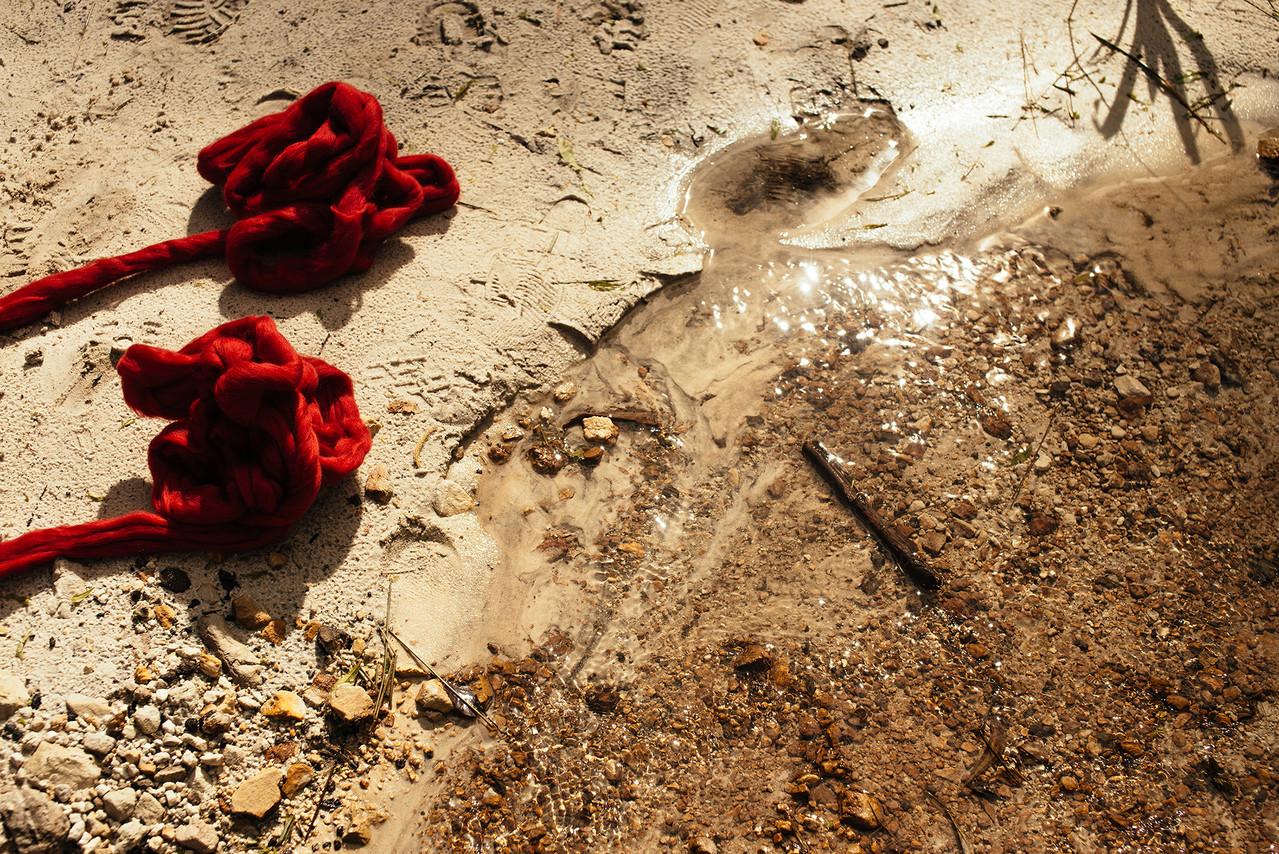
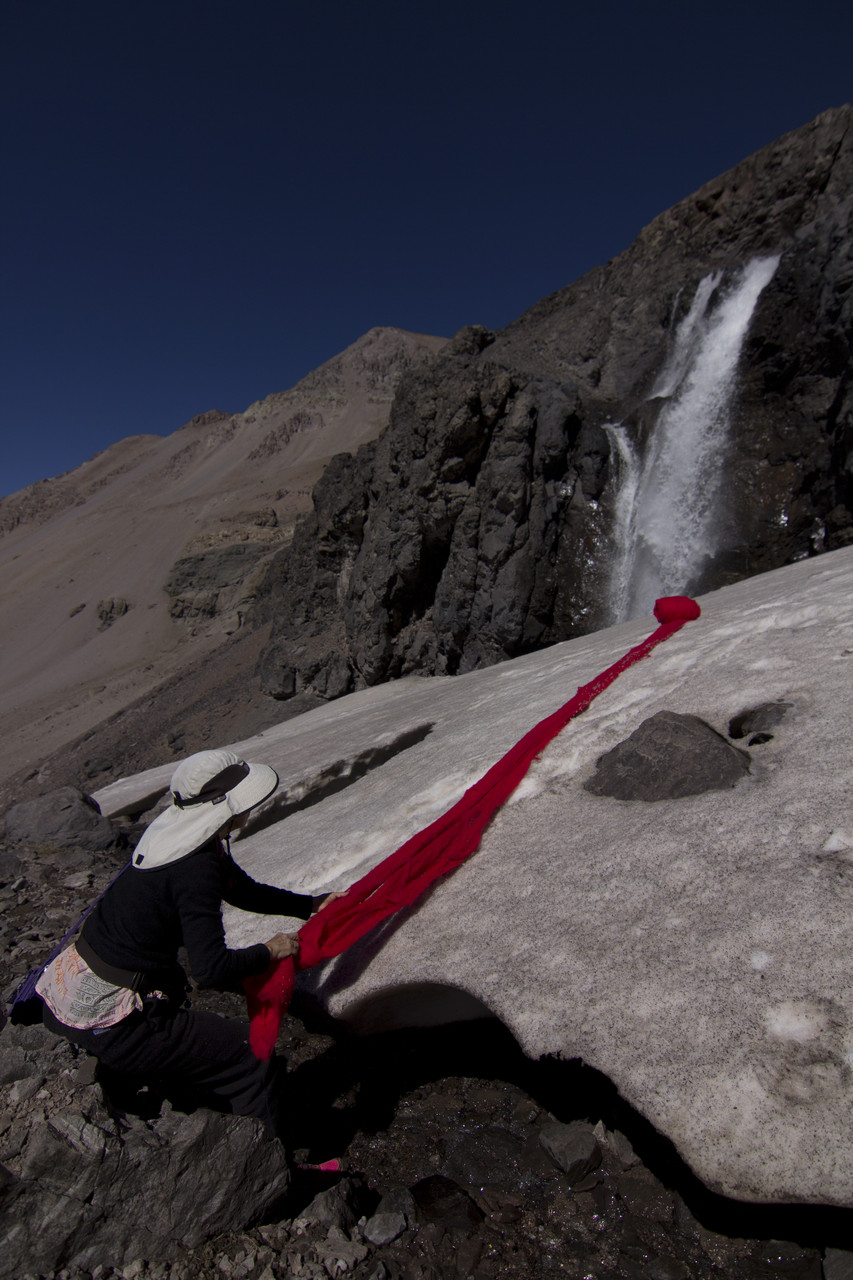
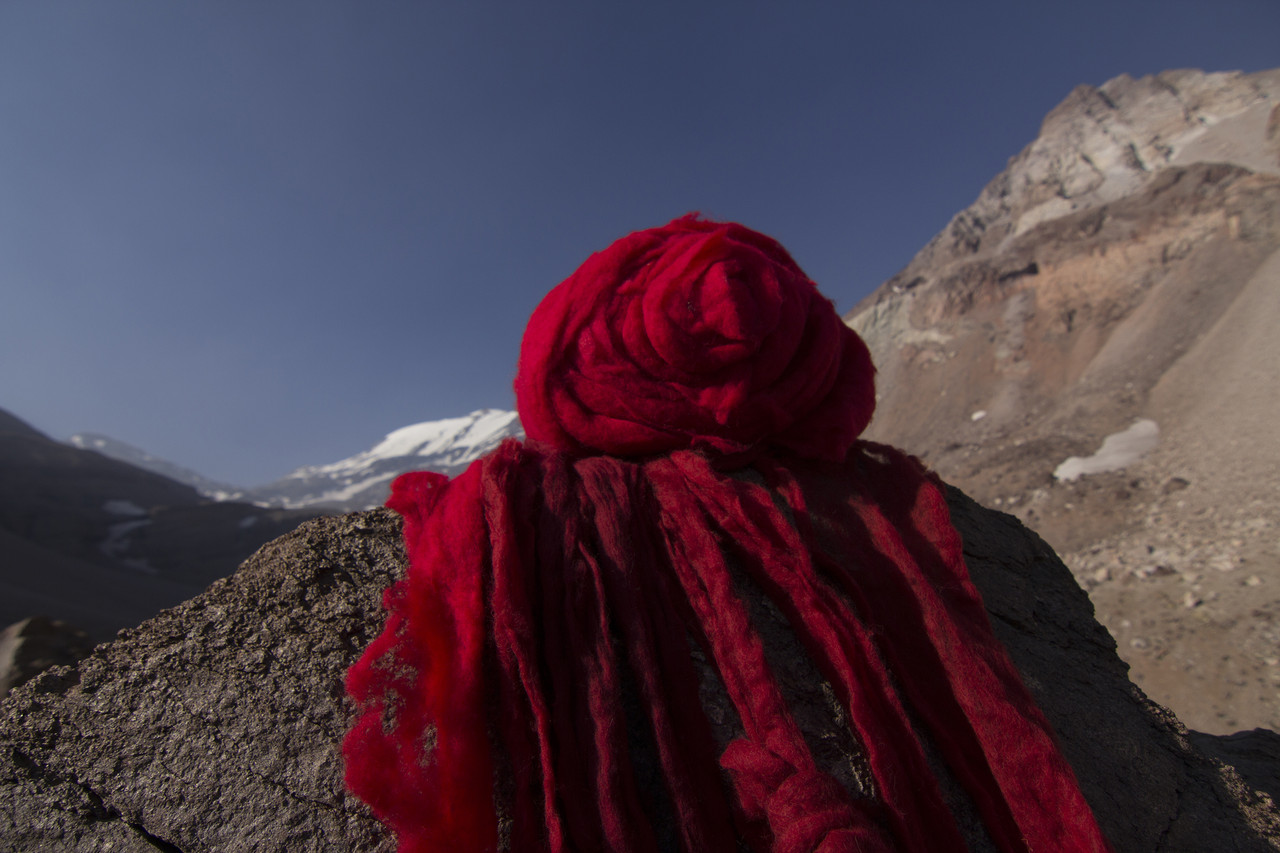
She is perhaps best known for her large-scale installations, “quipus,” composed of dyed wool and fibers suspended from above which visitors are welcome to walk through and engage. Vicuña sees them as poems in space and tactile representations of the interconnectedness between the cosmological, natural, and human realms.
“Quipu means “knot” in Quechua. It refers to a complex recordkeeping system for narrative and administrative information organized as sets of knotted cords. The quipu is an extraordinary Andean concept. It’s not only a textile instrument—a tactile instrument—but also an intangible, virtual construct: a weaving of us, all humans, as connected to each other and the cosmos. This was achieved by a form of the quipu called ceque, which means line in Quechua. This ceque is a set of virtual lines, in other words sightlines, gazes that represent your intent—where you’re looking at and where you’re looking from. These were like imaginary lines running from Cusco all the way to the mountain’s summit, to the origin of water. It’s all about the circulation of water—from glacier to river, ocean, cloud, rain, and snow. Quipu and ceque came from an awareness of this and the need to care for water through ritual activity and communal responsibility. In turn, there’s a connectivity with the galaxy from whence our planet came into being.
Therefore, the body is also a cosmic instrument, especially the female body, as ruled by the moon, stars, and planets. So, for many decades now, I’ve been creating collective weavings where people’s bodies are knots of an interconnected web, which is the quipu, to remember all these layers and dimensions. It creates a state of mind, a consciousness, that can only be achieved collectively in the ritual.”
–BOMB Magazine interview
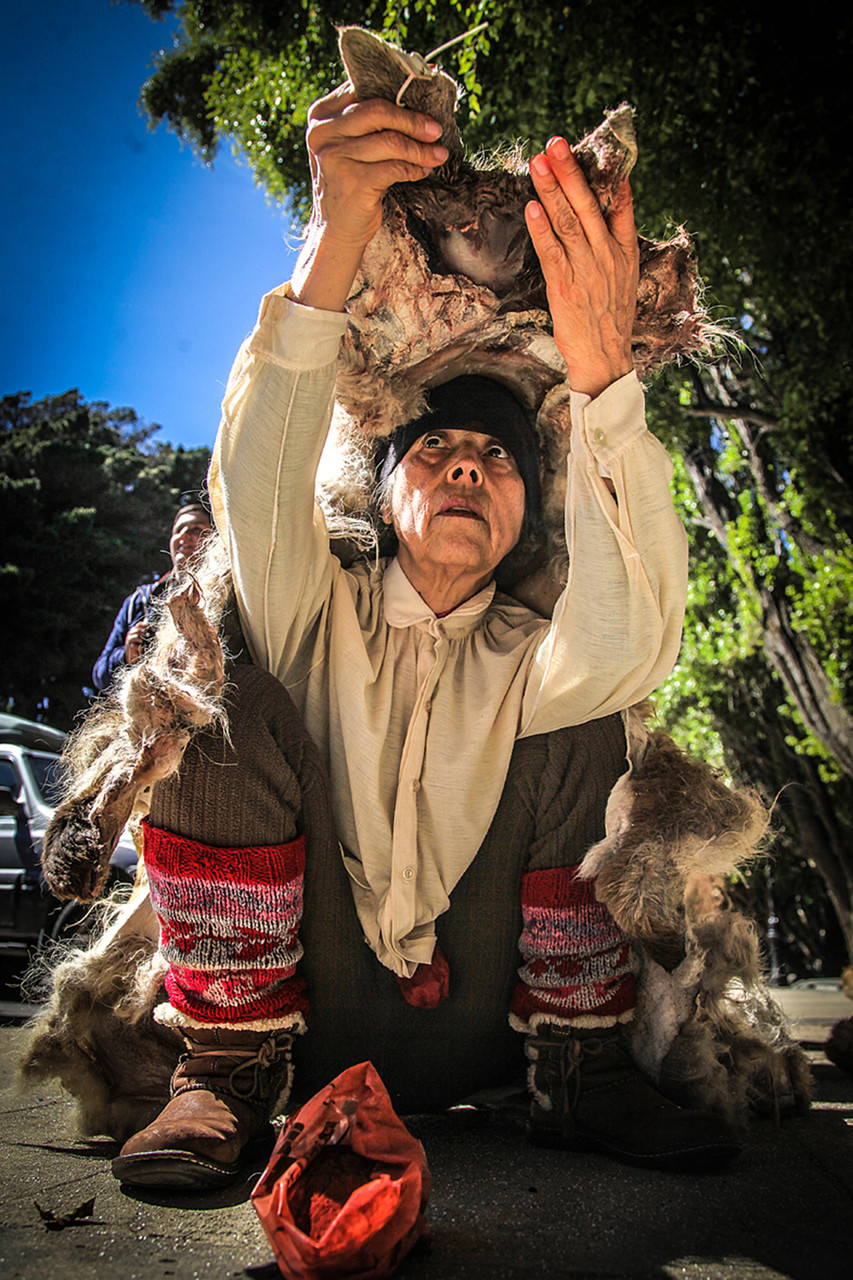
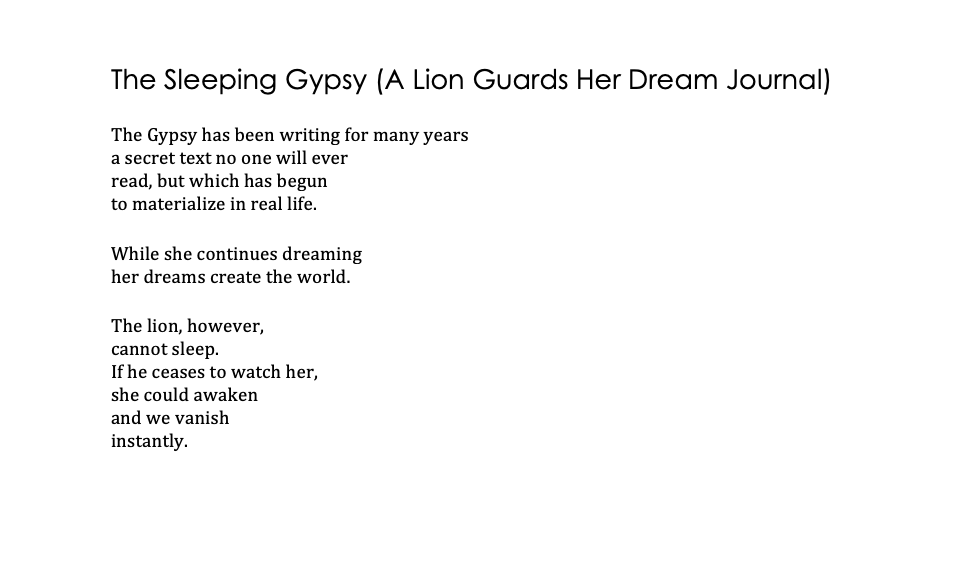
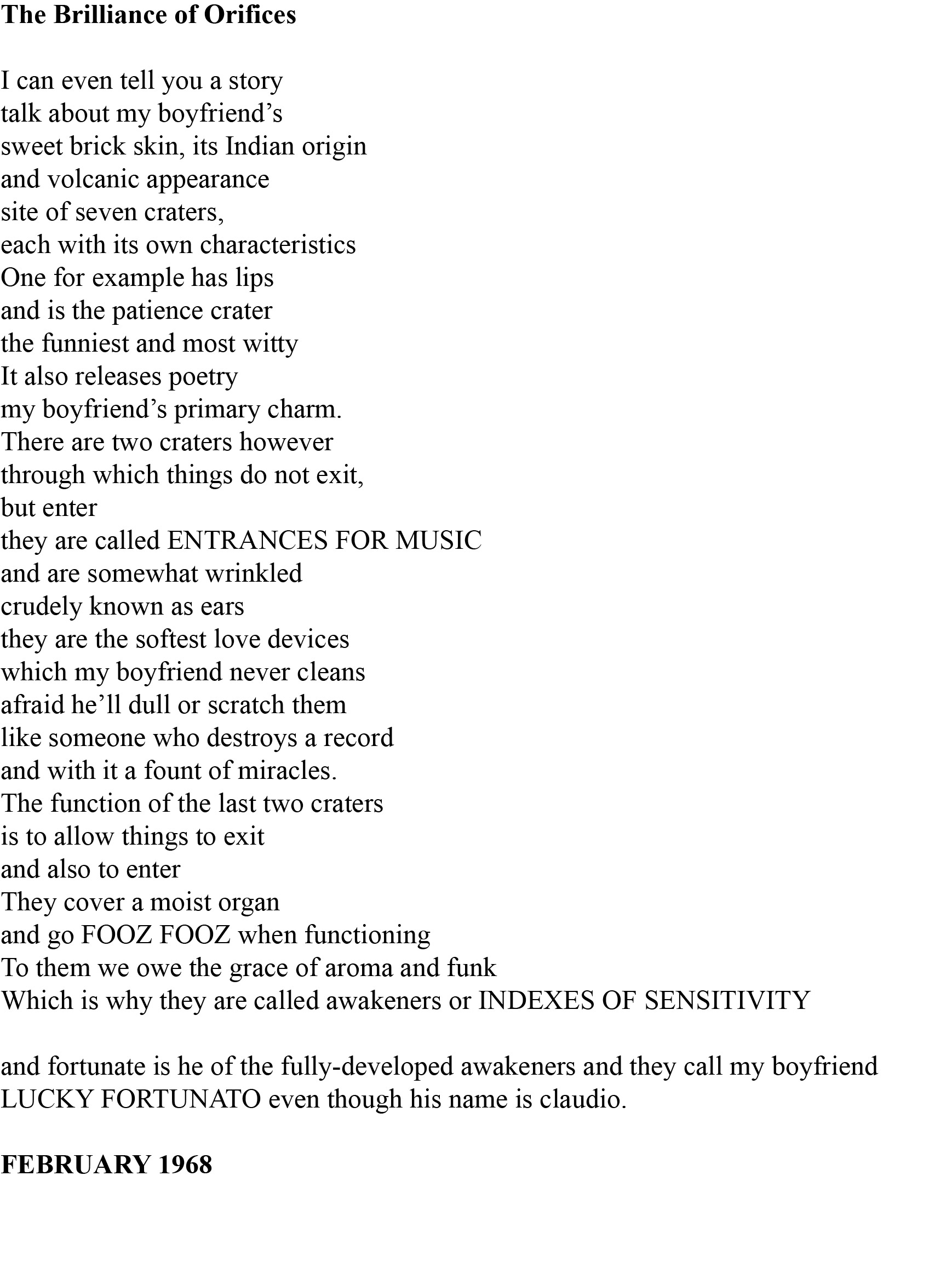
LANGUAGE IS ALIVE – POET
“Seeing and naming creates the space for the beauty of the exchange to unfold.”
Rosa Alcalá, one of Vicuña’s longtime translators, describes Vicuña’s poetics as “to sing the text, to break it open, to unpack and mediate what is found there, is to open up a space for possibility.”
– Spit Temple: The Selected Performances of Cecilia Vicuña, edited and translated by Rosa Alcalá.
“…There’s a force coming from the poem itself, so I listen to it…I have to go where this force of interaction leads. Even if it’s mine, the poem belongs to itself.”
-BOMB Magazine interview
“As for the role of the poet in our times I only have more questions: are we a ‘listening post,’ composing an impossible “survival guide,” searching for an “art that shows how power works,” as Paul Chan says, Or are we going silent in the face of our self-made destruction?”
-Poetry Foundation article
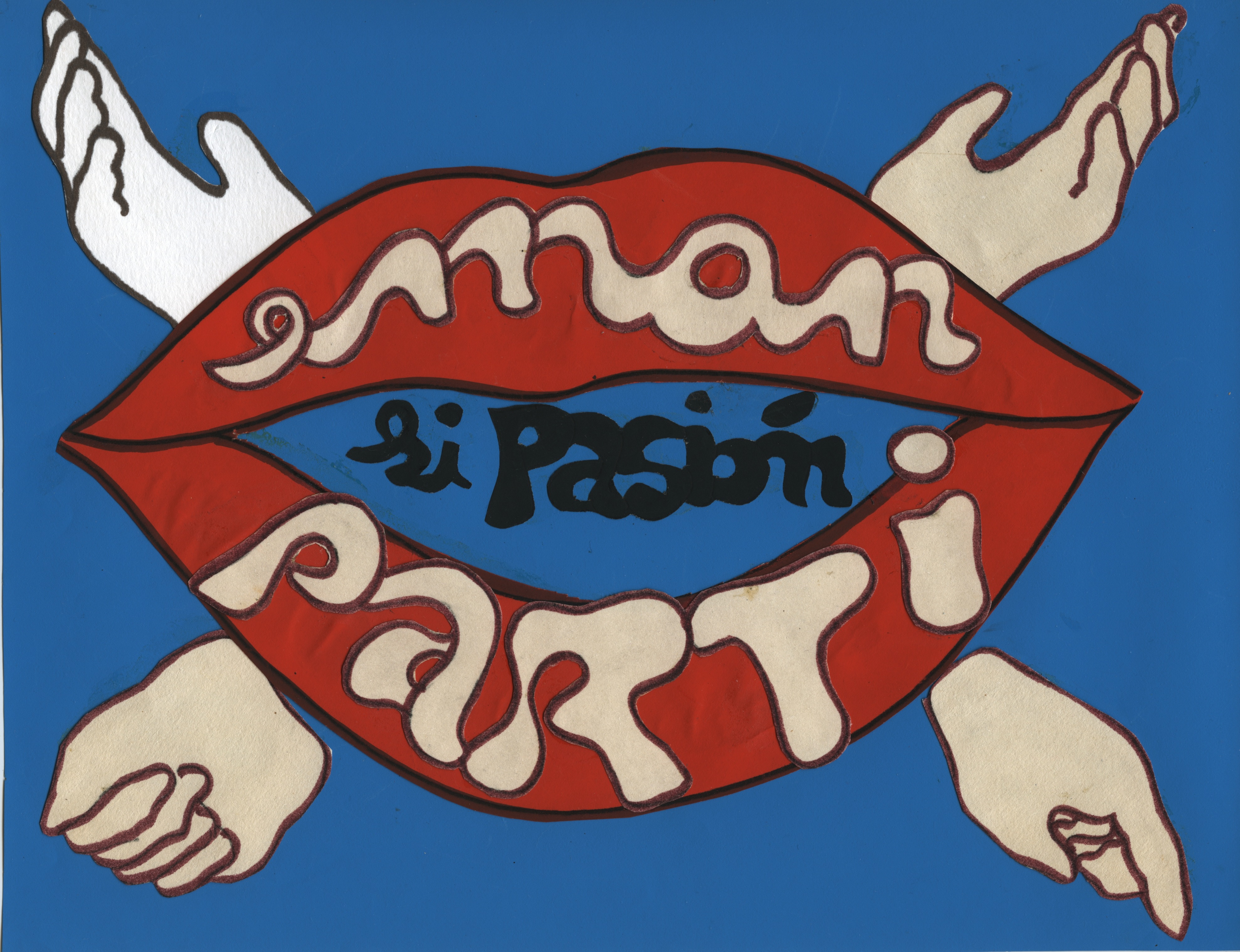
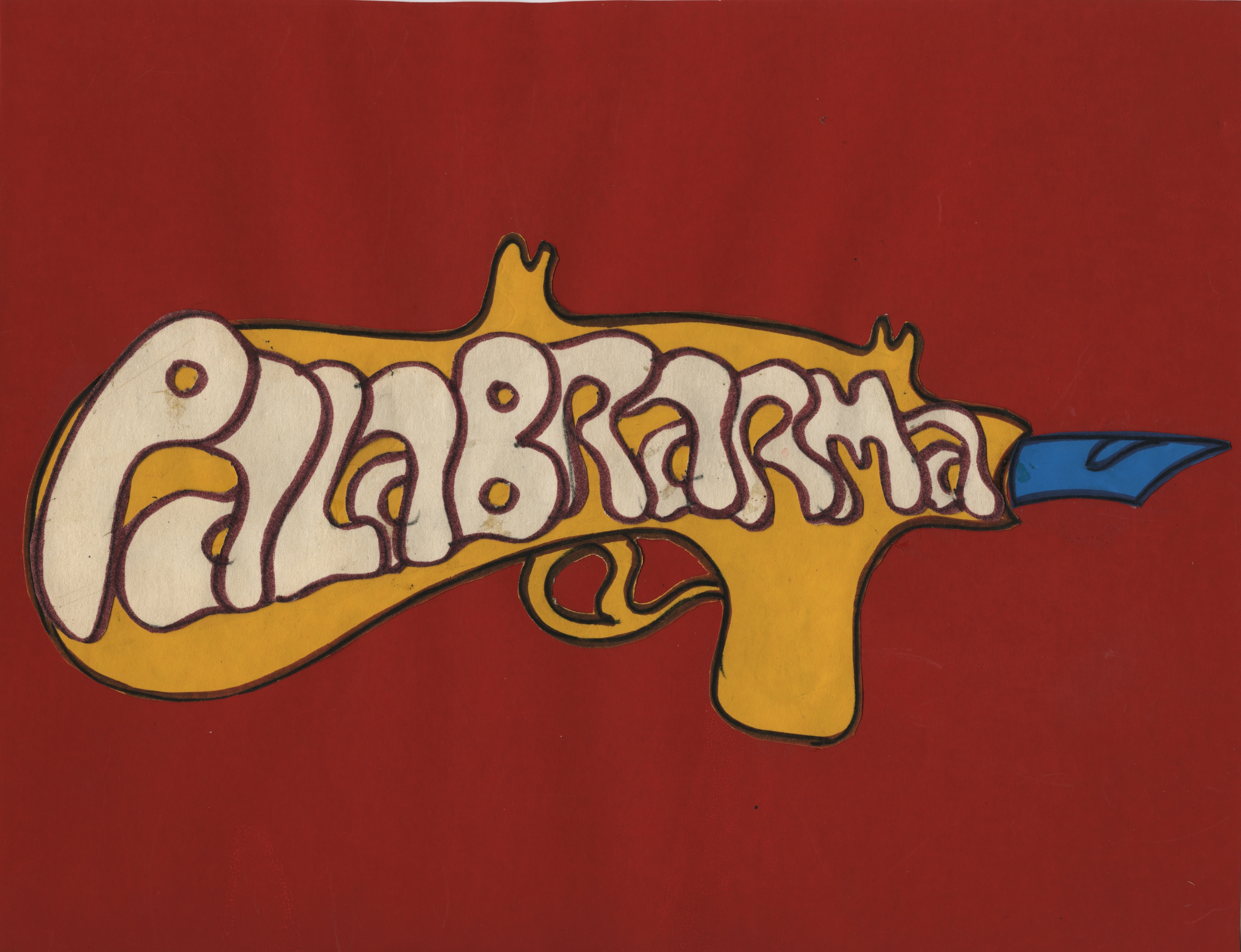
“…I was a teenager when I first became aware that I was a writer. I began observing my own perception, my words, with the purpose of knowing what I really felt, not what I was supposed to think. This involved a huge rebellion, a revolution of perception. I believe that’s why all these works of mine from the ’60s have been censored for so long and are only now beginning to be published.”
A MESSENGER OF THE CIVILIZATION OF THE FUTURE
“…the cycle of water has been the thread of my life. The thread, blood, and water are really the only guides we have. That’s who we are.”
-BOMB Magazine interview
“Today the poignant tragedy of war, displacement, and destruction of life asks from us a new commitment to act and respond, creating art forms that speak to the dream, the continuity of life for future generations. This quest has led me to go deeper into my indigenous roots, to reinvent the language of the Quipu, the “writing” with knotted cords that evolved in the Ancient Andes, as a metaphor for the union of all, a cosmic umbilical cord. A call to re-imagine ancient menstrual rites exploding with joy. I intend to apply the rest of my life to this end, creating impossible gestures of love, acts that disappear, turning around the destruction of the world."
– Herb Alpert Award application, Autumn 2018
*** Great appreciation to historian, writer, and professor Manuel Vicuña (no relation) who conducted the video interview and created the English translation for this website.
“…for me, the universe is itself language; everything is speaking to everything else, in particular chemical, sonic, and territorial languages. There are sorts we can’t even imagine, yet together they form part of what we as humans can sense and perceive. We can talk about things as if we know what we are talking about. That’s the most fascinating thing in the world because in truth we don’t know much at all. What we don’t know composes 99.9 percent of the real. That possibility of sensing what we cannot name makes language what it is—a reaching for what cannot be said.”
-BOMB Magazine interview
“In the Andes people did not write, they wove meaning into textiles and knotted cords. Five thousand years ago they created the quipu (knot), a poem in space, a way to remember, involving the body and the cosmos at once. A tactile, spatial metaphor for the union of all. The quipu, and its virtual counterpart, the ceque (system of sightlines connecting all communities in the Andes to the sources of water in the mountains, and in cosmic intergalactic dust) were banished after the Conquest. Quipus were burnt, but the vision of interconnectivity endures underground. I began making quipus in the l960's as an act of poetic resistance”.
-Cecilia Vicuña
“My work finds a way to percolate, to go under and surface in another place. That’s not my doing, it’s the energy of what’s inside the poems, inside the images; they have a life, a life that connects it to other life forms.”
“…How does censorship influence the mind of the person being censored? This is truly something humanity as a whole needs to explore; I’m sure it affects me in deeper ways than I know. Now that I’m old, I read my early unpublished writings and am amazed at what that girl was able to do. I think this pain of censorship has been part of my life for so long that it’s made my perceptions more acute. Maybe it pushed me to explore certain portions of linguistic reality, or excluded me from doing so. I cannot be accurate with this; it is dark, obscured…forced by the censorship, I became an oral poet. My poems could never see print, never be circulated as books, so I began performing. With performance, I probably reached thousands more than with a book because at the time books were being burned.”