OC:
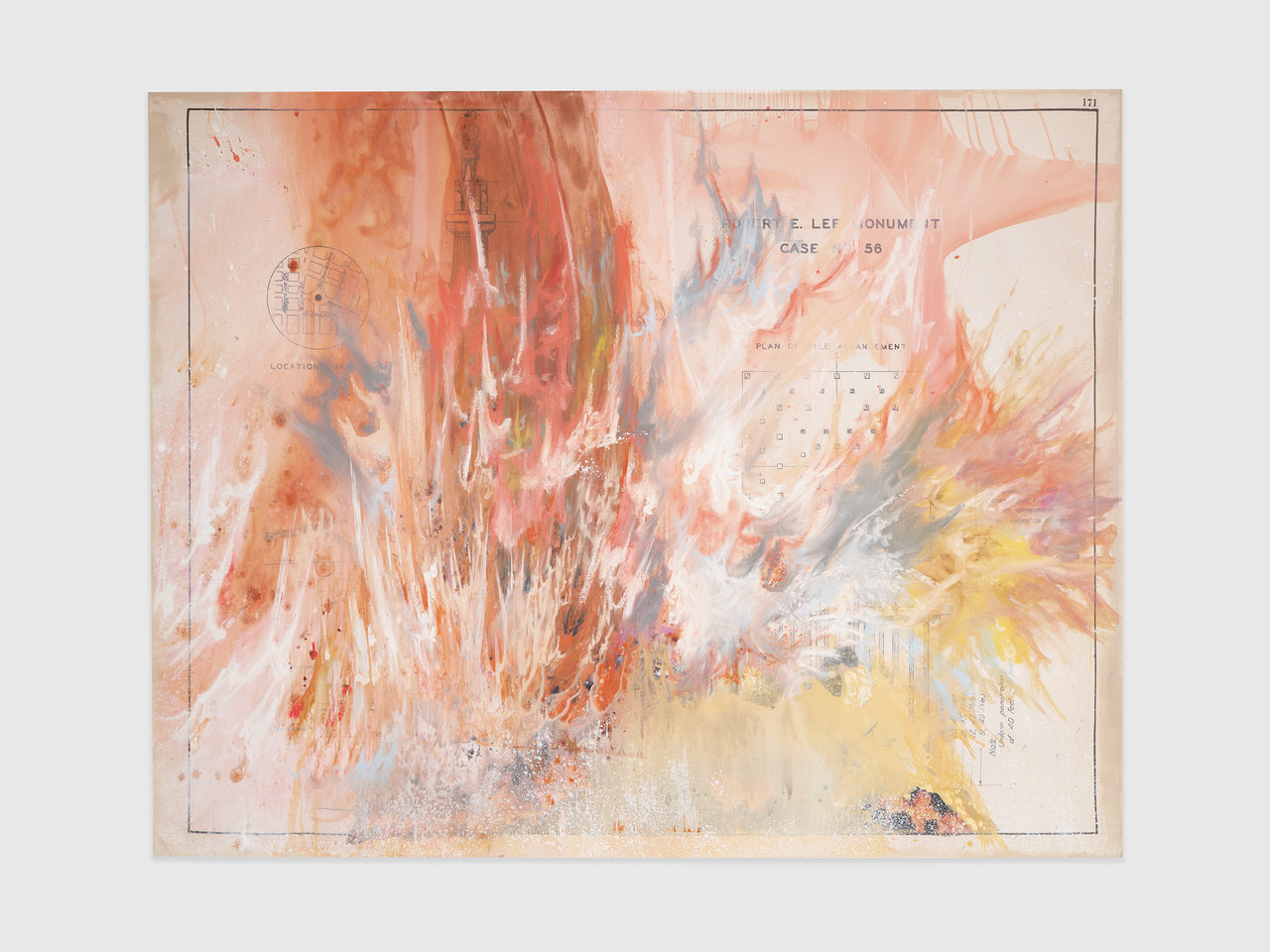
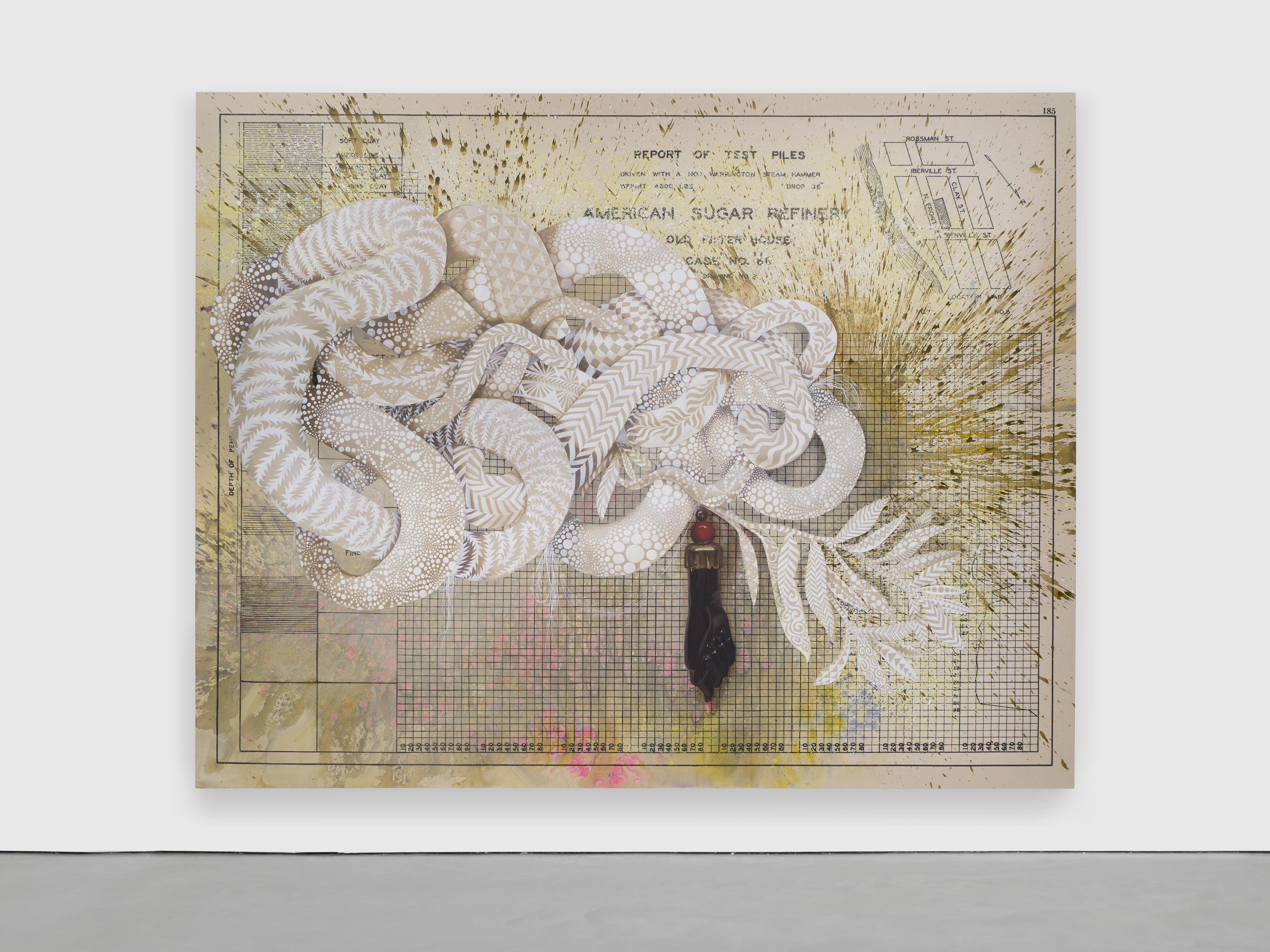
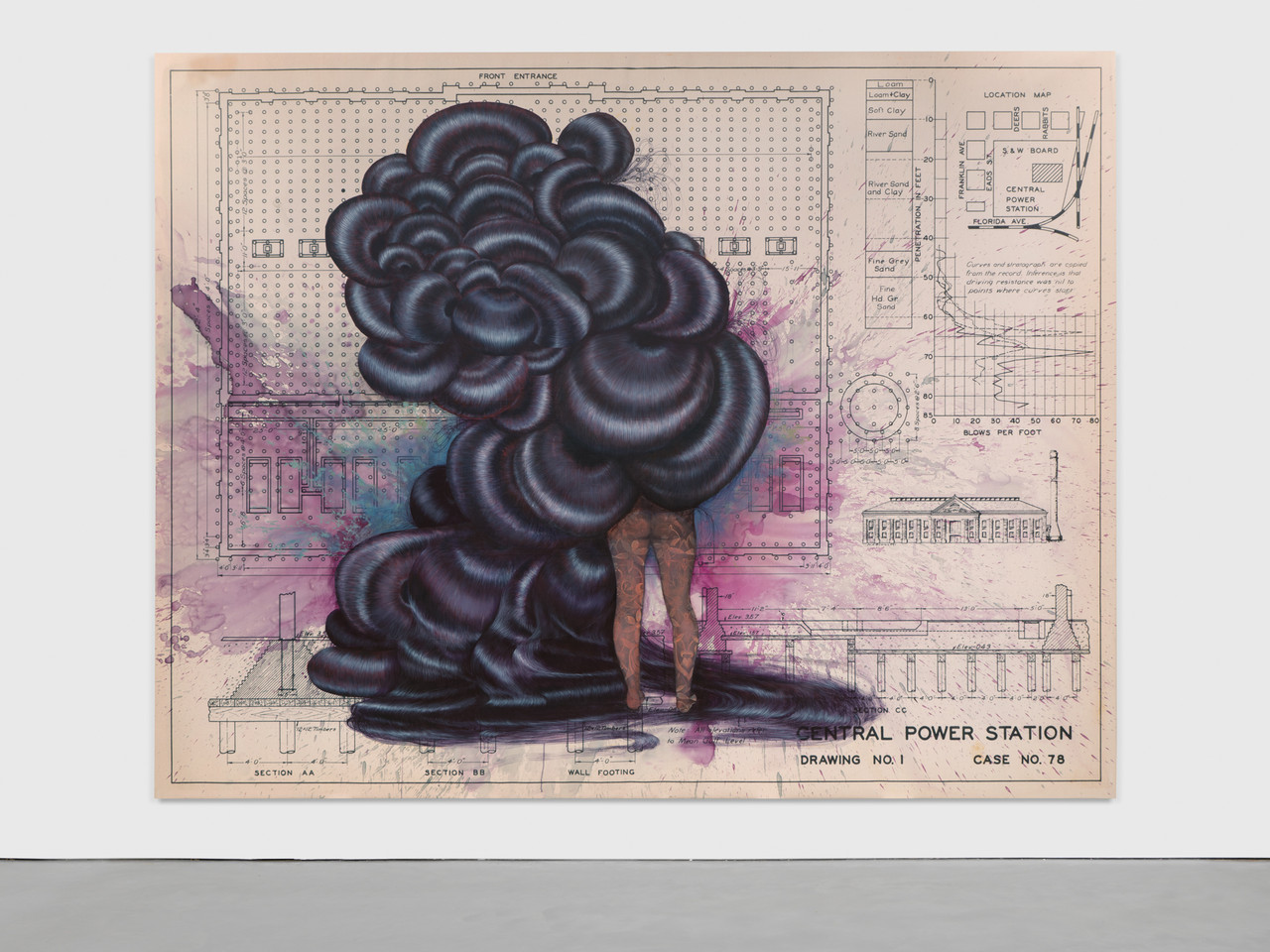
Would you be willing to explain the title for the piece Love that does not choose you (Collapse the rooms and structures that depend on you to hold them) (2018)? The Domino Sugar Refinery in Brooklyn looms large in the expansive painting with flames and smoke emerging from the building. It is a densely layered painting with a number of references to historical images of the sublime, disaster, and industrial relics. Do you think of this work as being in dialogue with artworks by artists such as Kara Walker, Ed Ruscha, or others? And here I’m thinking specifically about potential references to and dialogues with Kara Walker’s public sculpture, A Subtlety, from 2014 at the site of the former refinery and Ed Ruscha’s painting The Los Angeles County Museum on Fire (1965-1968).
FB:
I think you have beautifully described all the things that drew me to make this piece.
****
OC:
In looking over a number of exhibition catalogues featuring your work, I became curious about your formatting of titles. Many of the titles in English appear to follow the conventions of titling in Spanish, where only the first word is capitalized in the title and all the subsequent words appear in lowercase. Is this consistent in your practice? When did you start this practice? And what motivated it?
FB:
Not all my titles initially follow this convention, many are all in lower case etc. Most publications and some institutions will unfortunately (auto)correct the titling once it is several times removed from my studio.
OC:
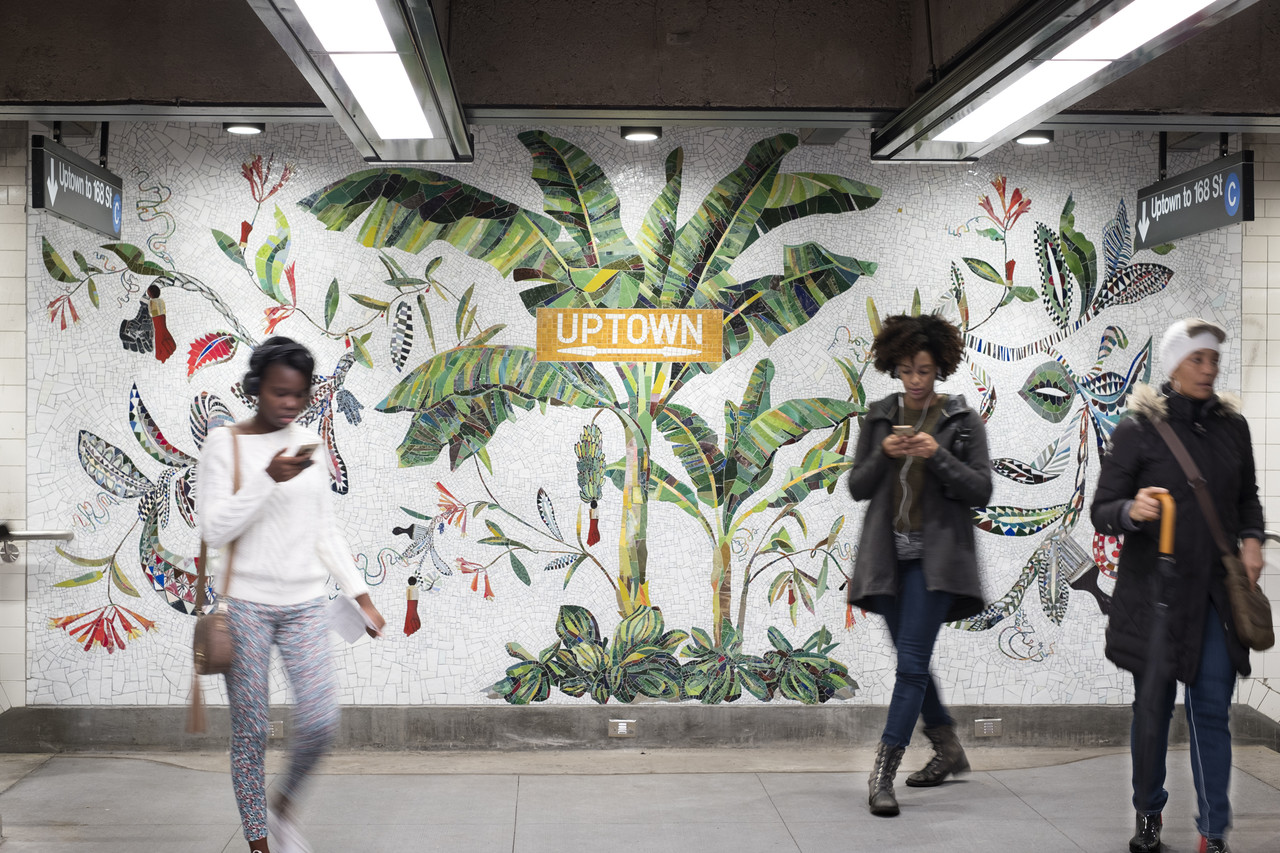
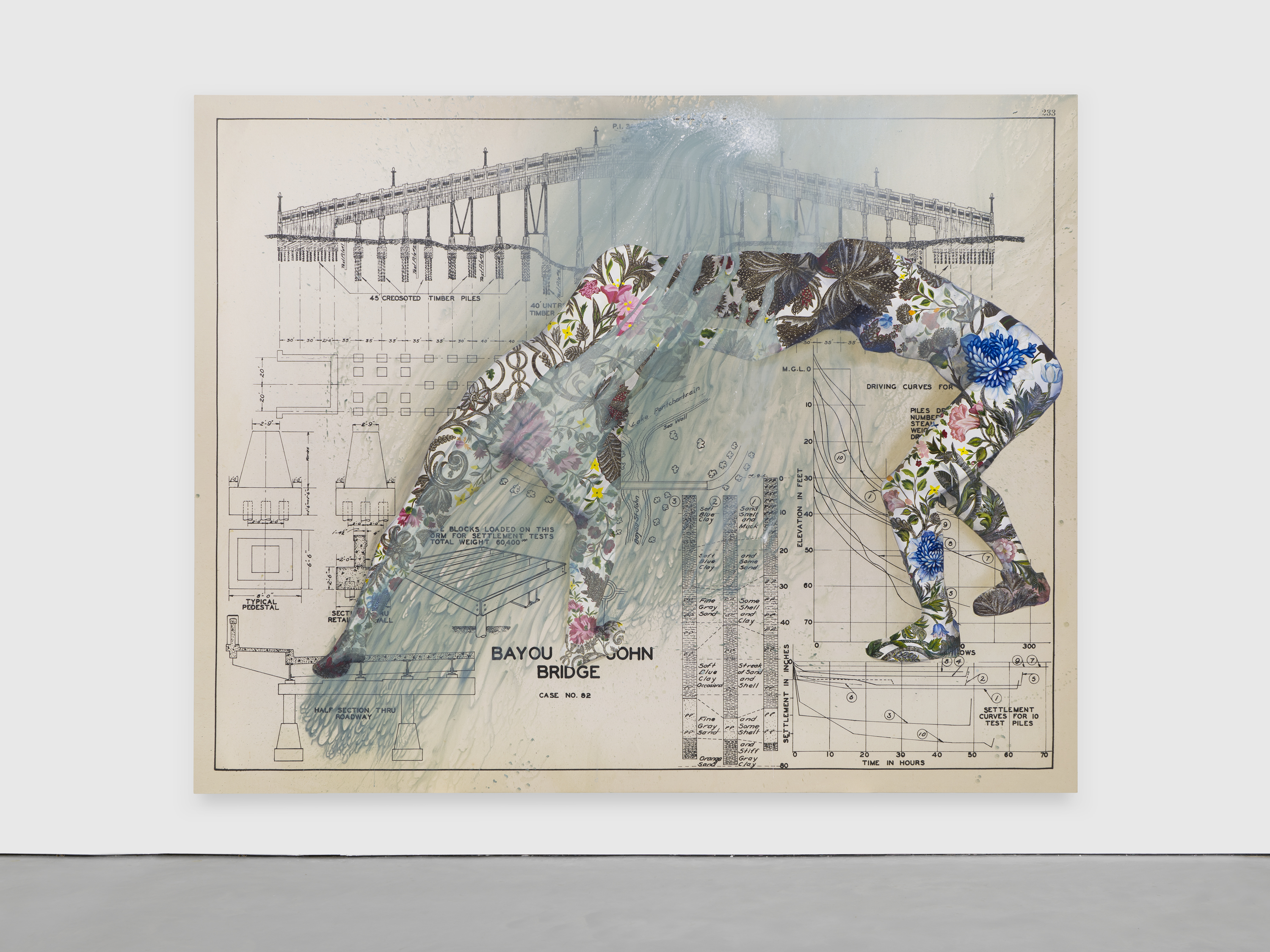
There is a lush and vivid abundance of decorative pattern and ornament in your paintings for both the figures and for the context or background they appear in. Textiles, jewelry, ceramics, and mosaics proliferate. How do you approach the pattern making in your work? And how do the various elements of ornament bear traces of colonial commerce and migration?
FB:
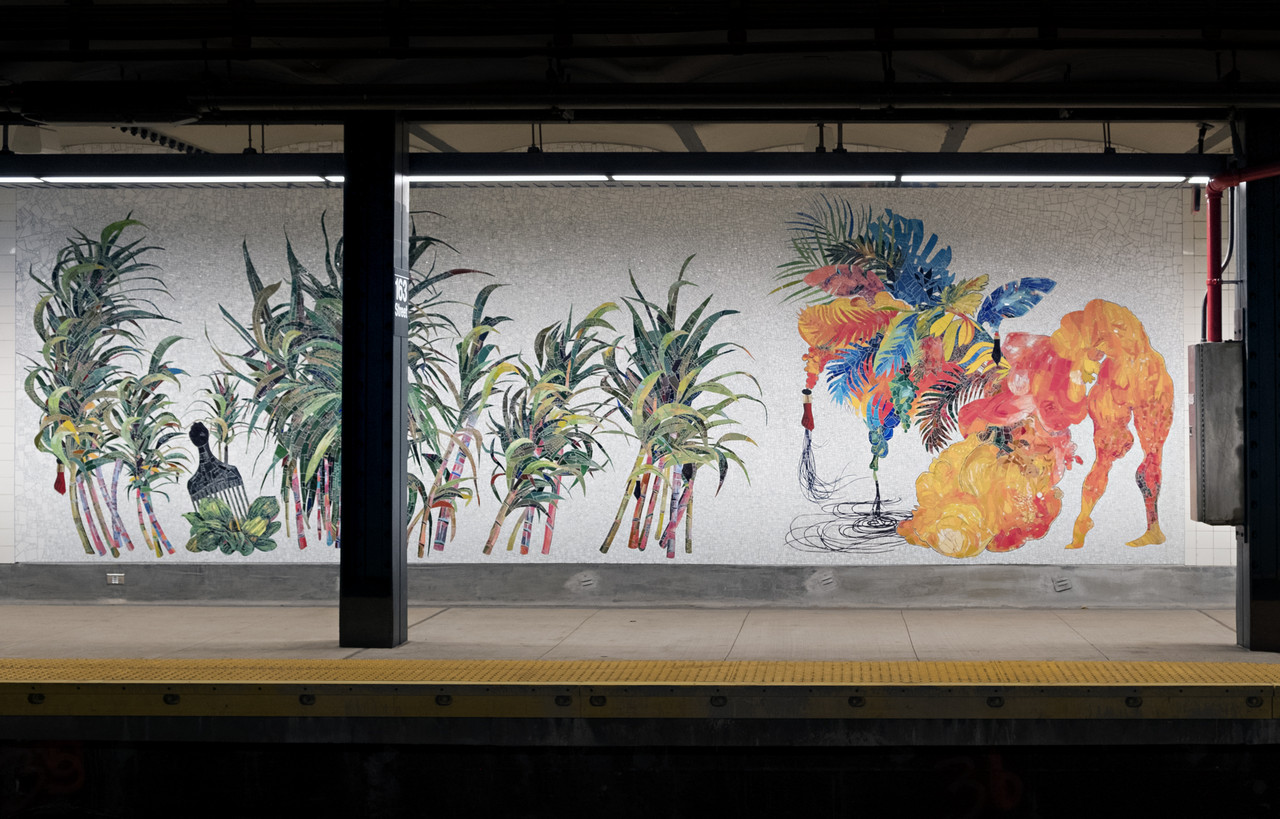
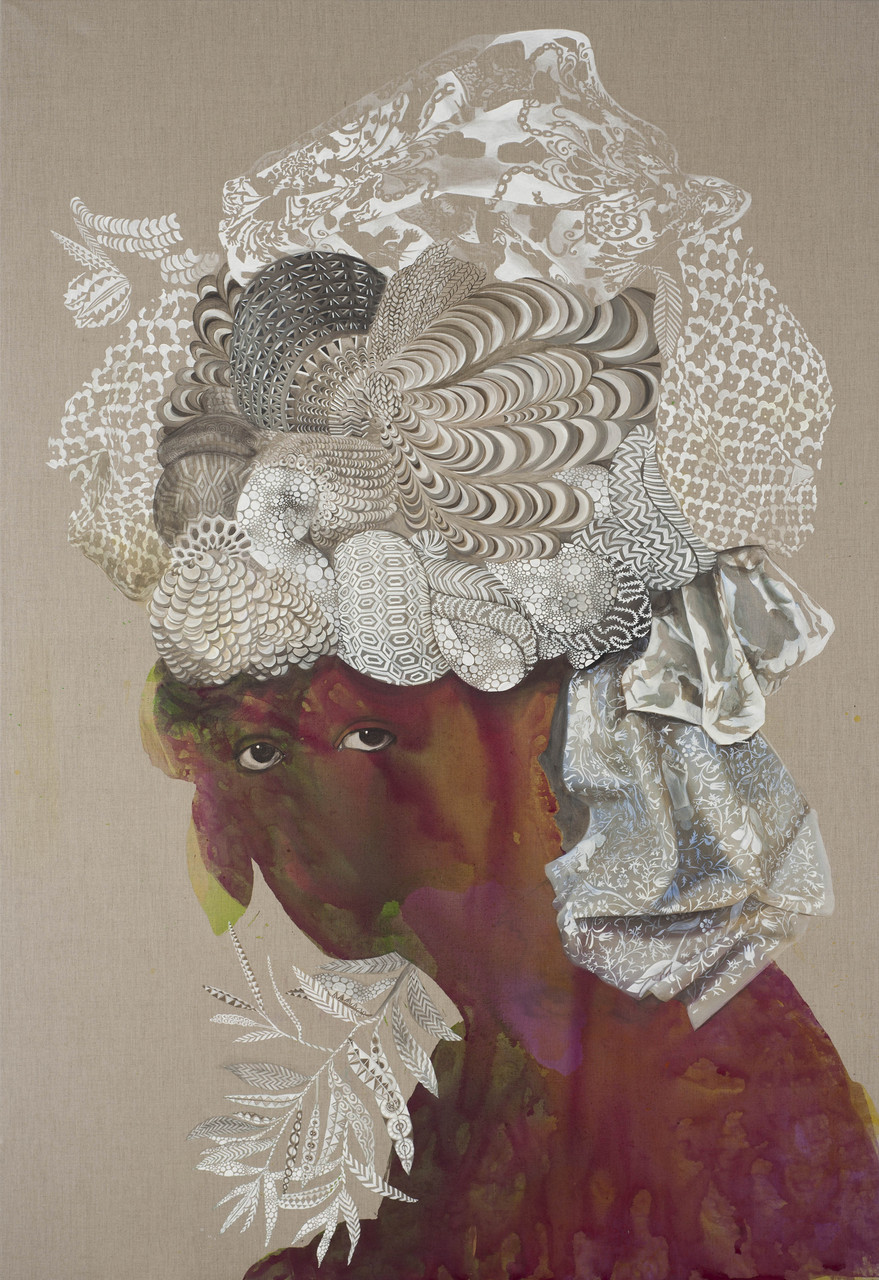
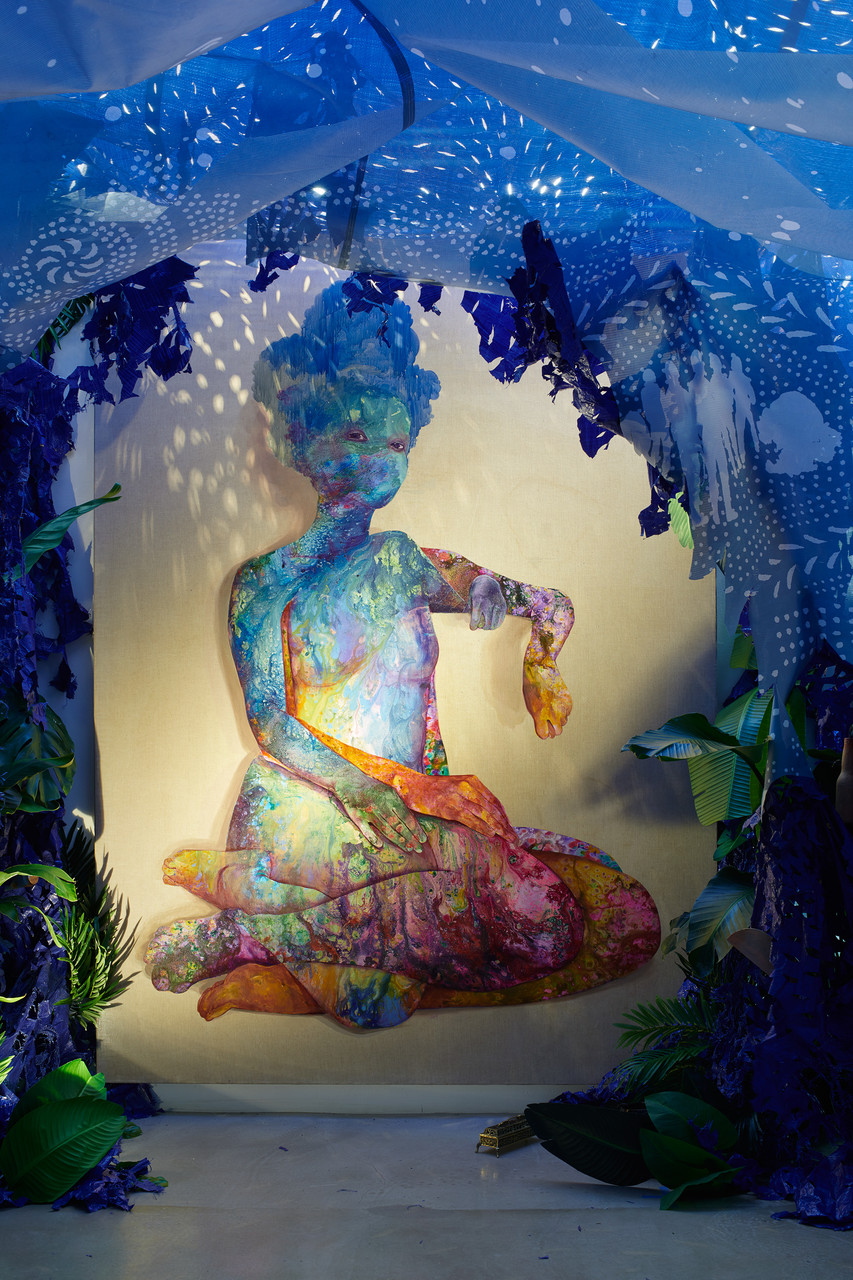
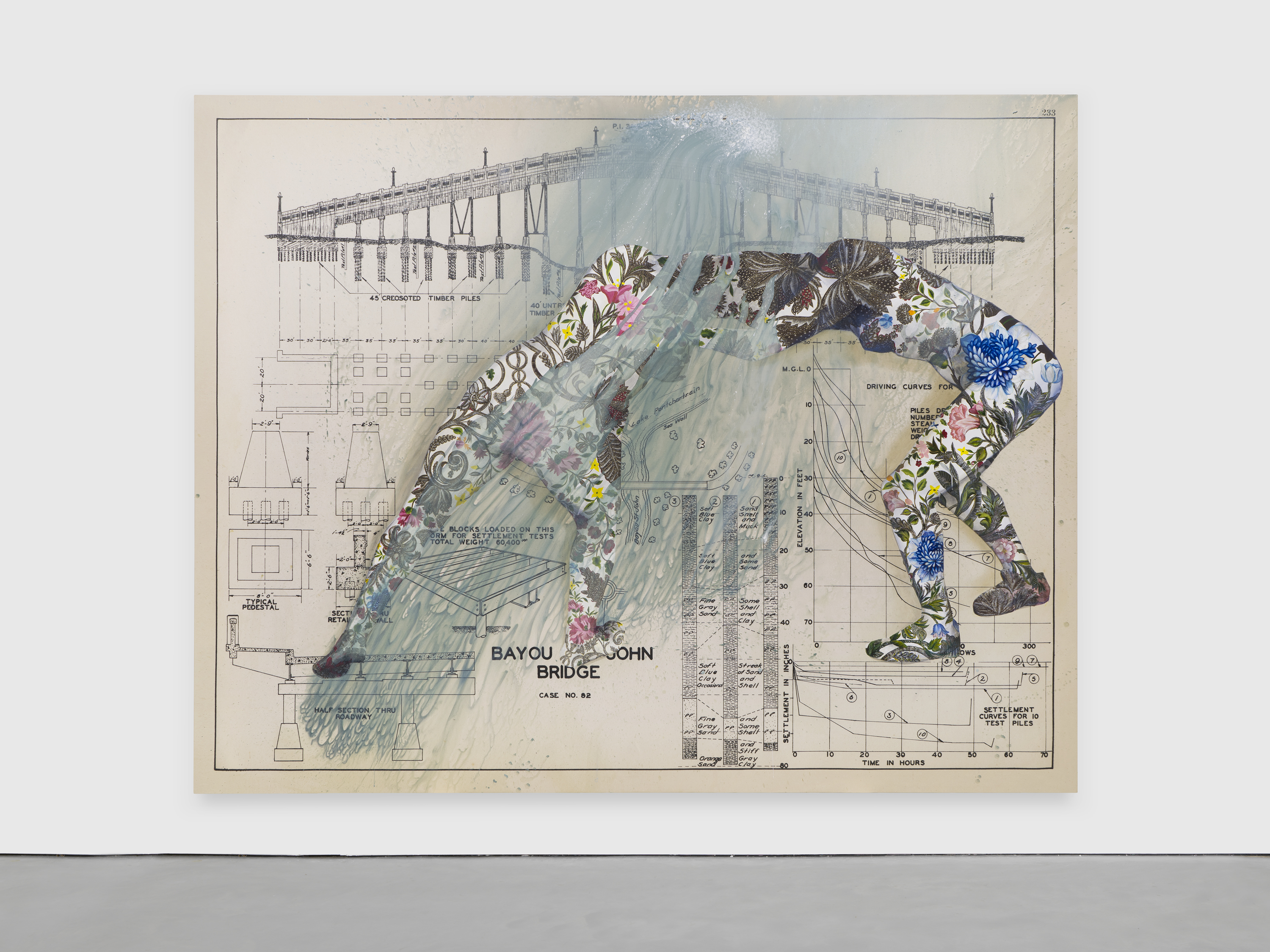
The use of pattern and ornamentation in my work usually references the broad-range symbols of resistance and healing within the black diaspora. For example, azabaches or figas in Brazil, that have a resonance with the Black Power fist. My effort is to say that we’ve had moments of healing and resistance and self-definition hundreds of years before that, and that maybe this is in conversation with both.
OC:
How do you approach research and the archive? Do your personal history and research interests intersect? If so, how do they intersect or inform each other?
FB:
A lot of my work has been about recontextualizing Caribbean history and making more evident how it’s been formative to a lot of ideas around the world. When you think of things like the Enlightenment and modernist ideas of progress, they’ve been formed by the actions of, not just the bodies and the labor of, the Caribbean. Martinique and Haiti in particular have been extremely formative. I wanted to bring that, and to think of the women who were excluded even from those epic narratives.
OC:
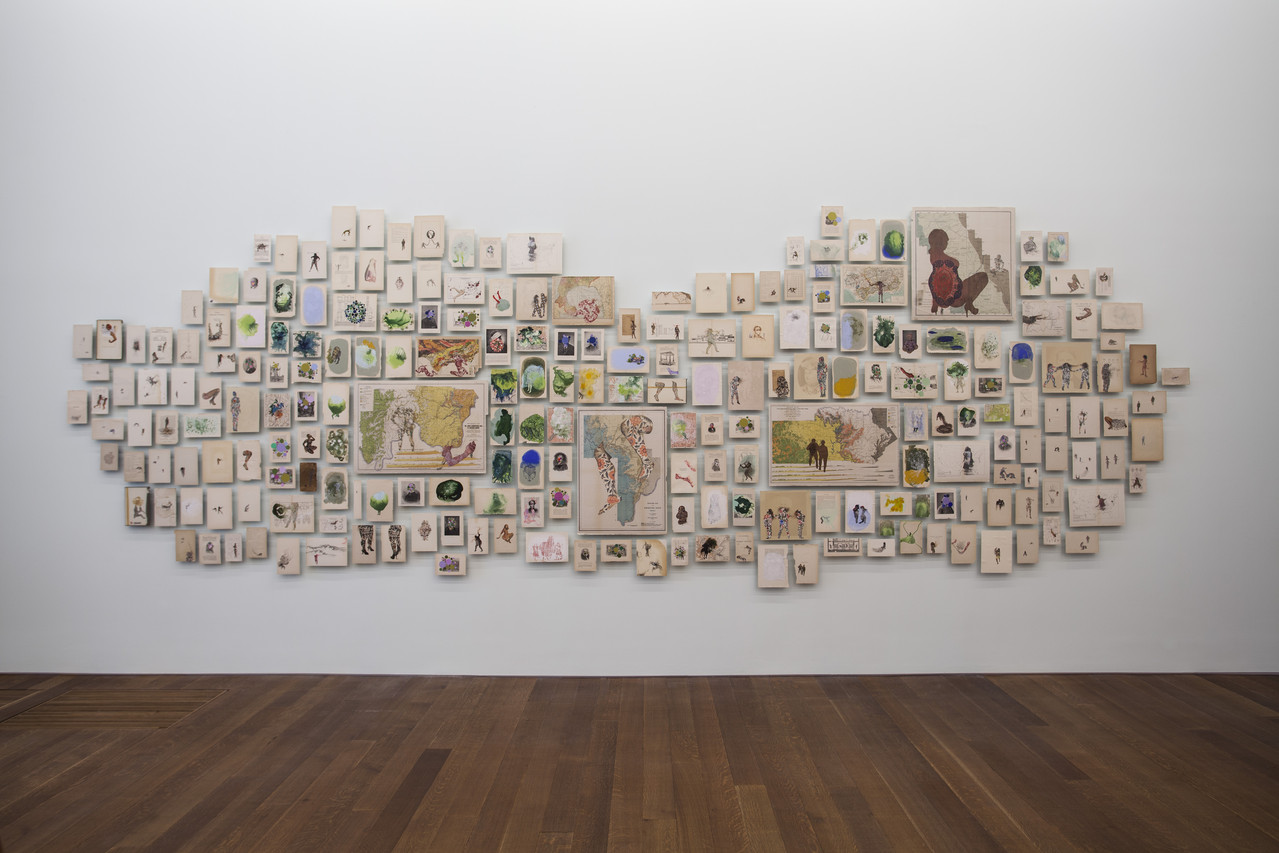
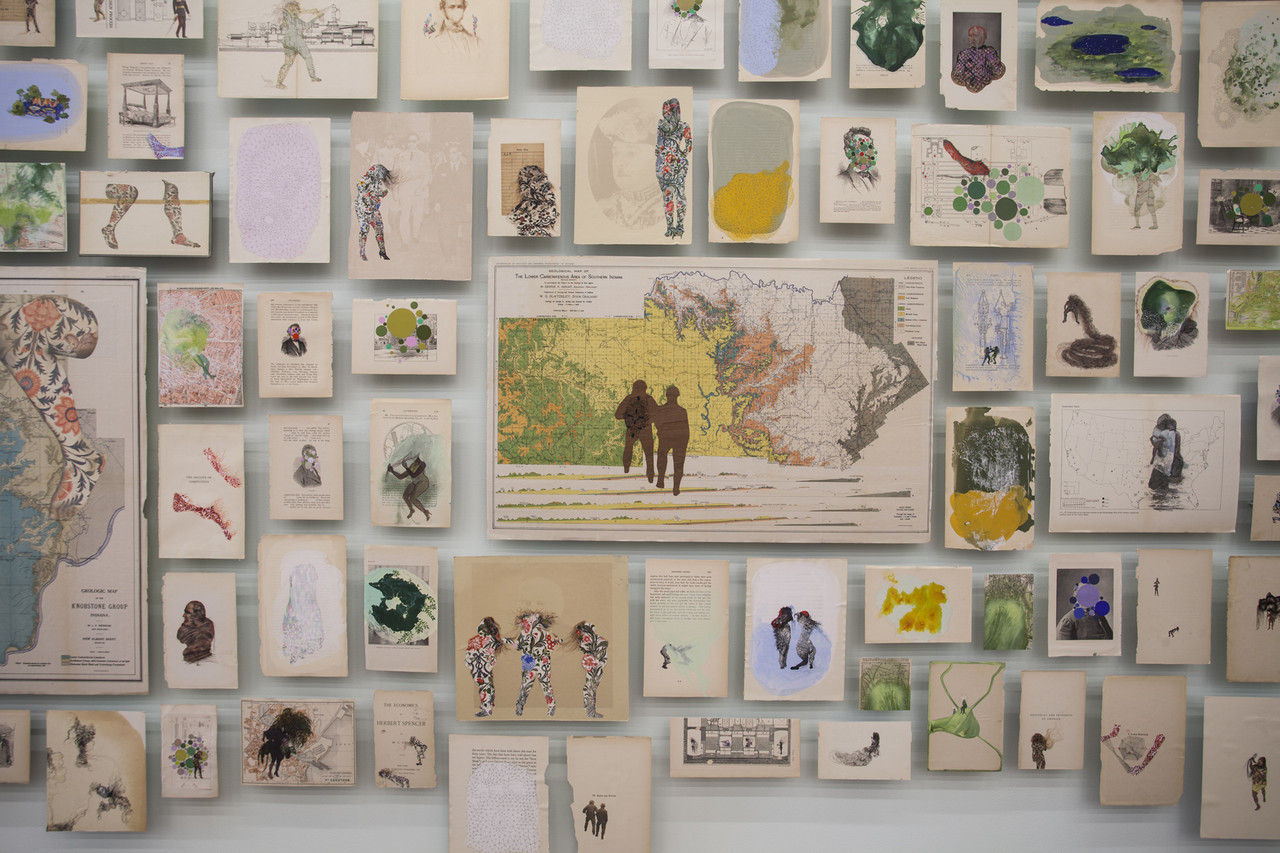
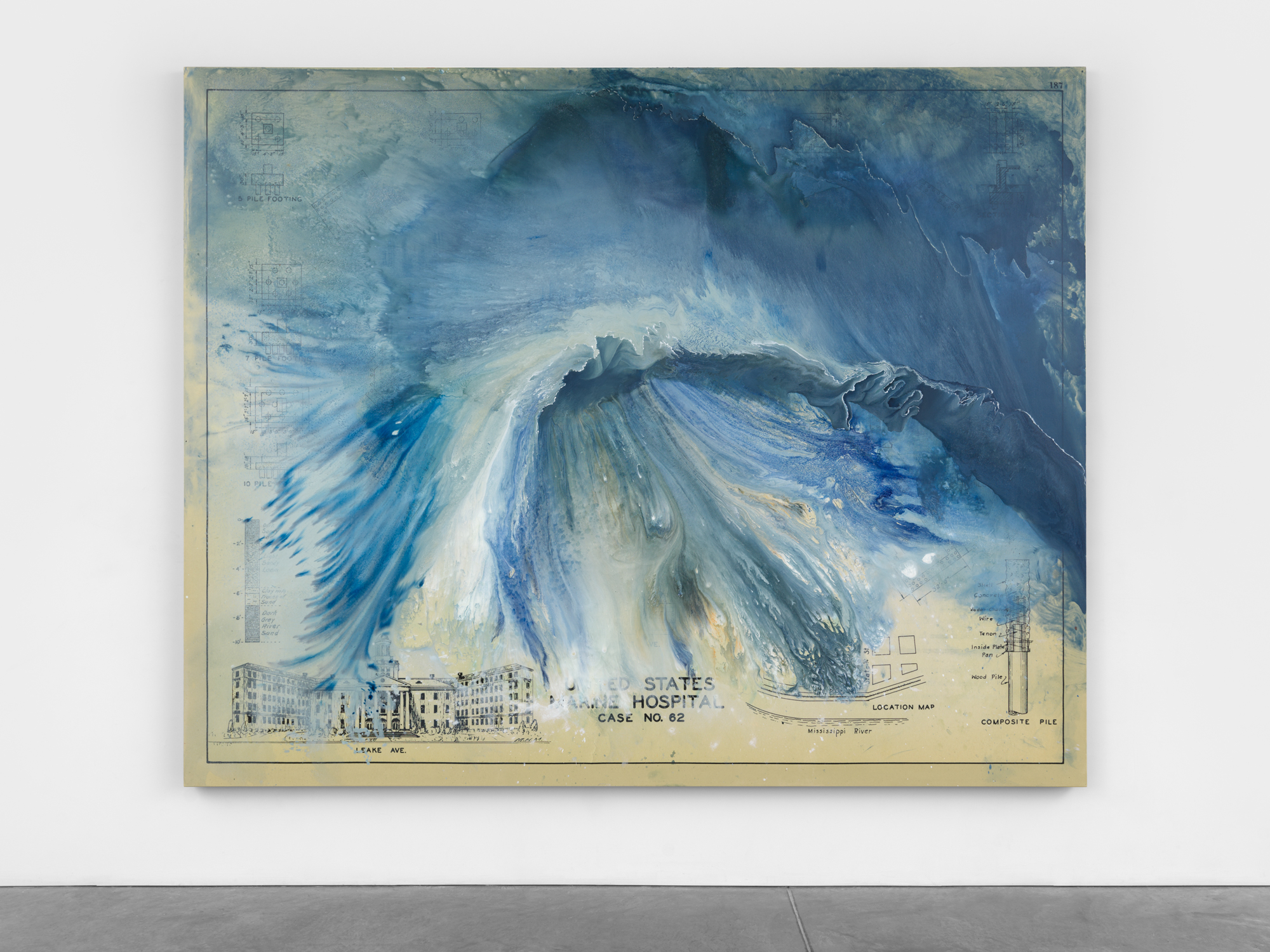
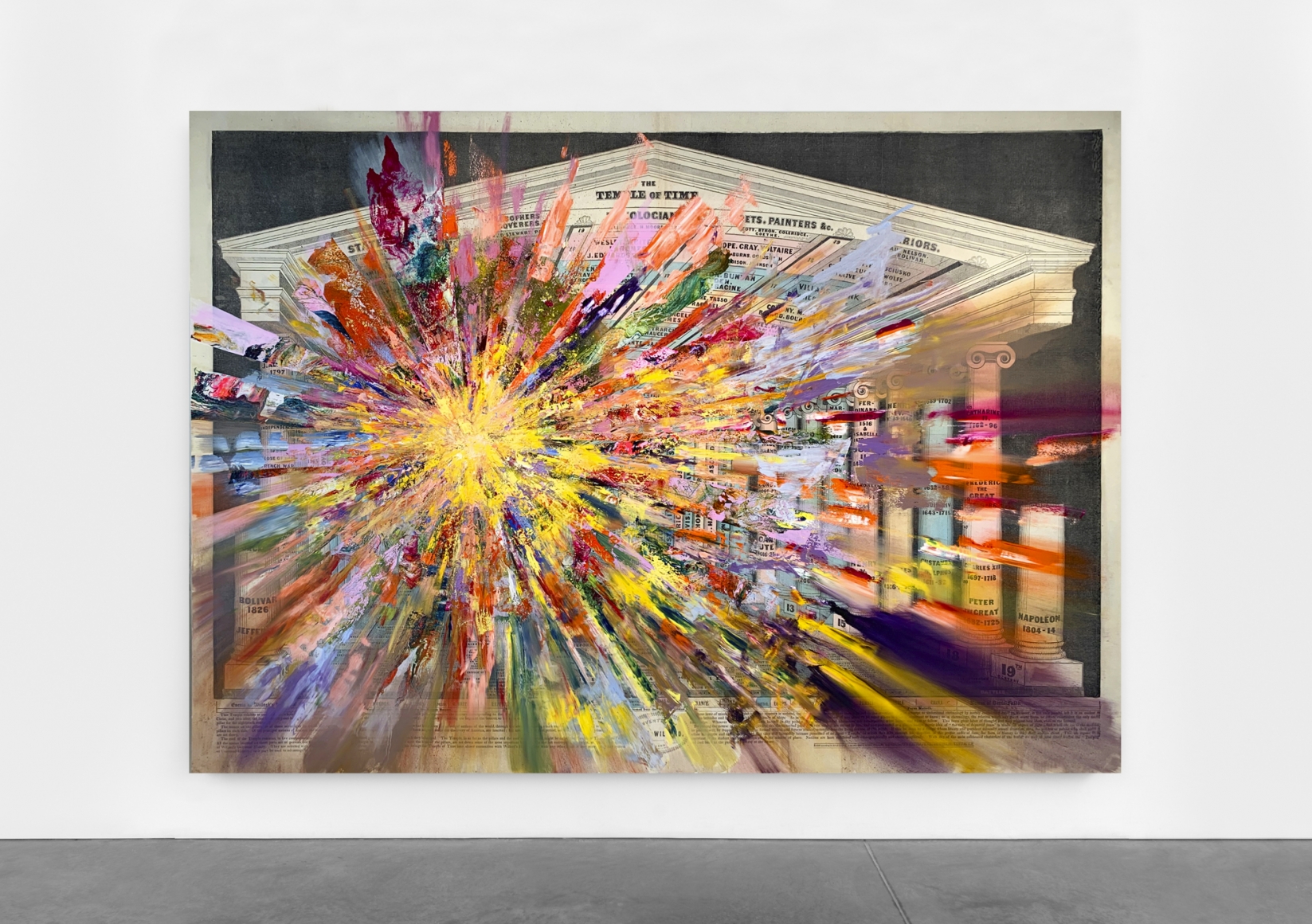
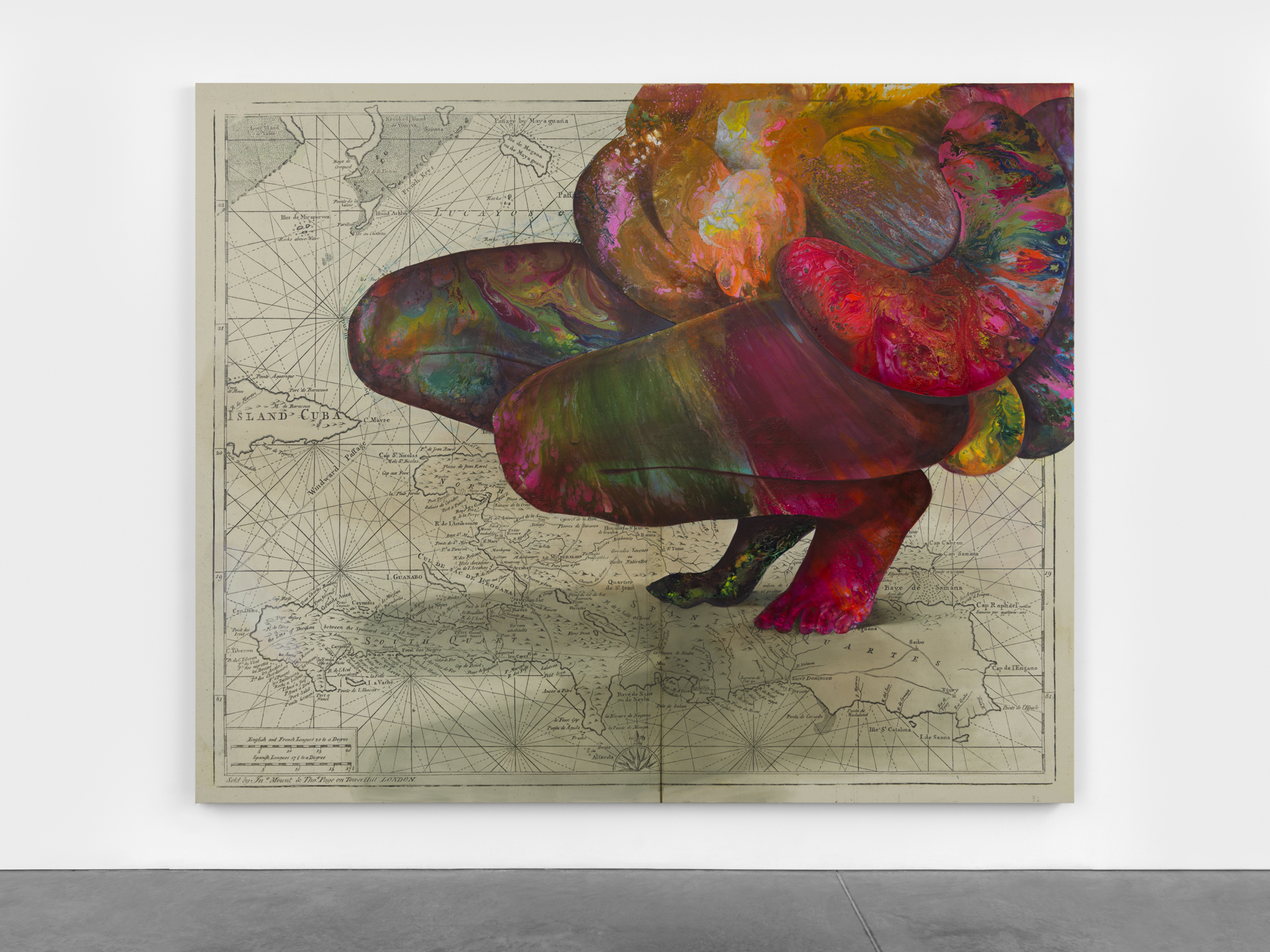
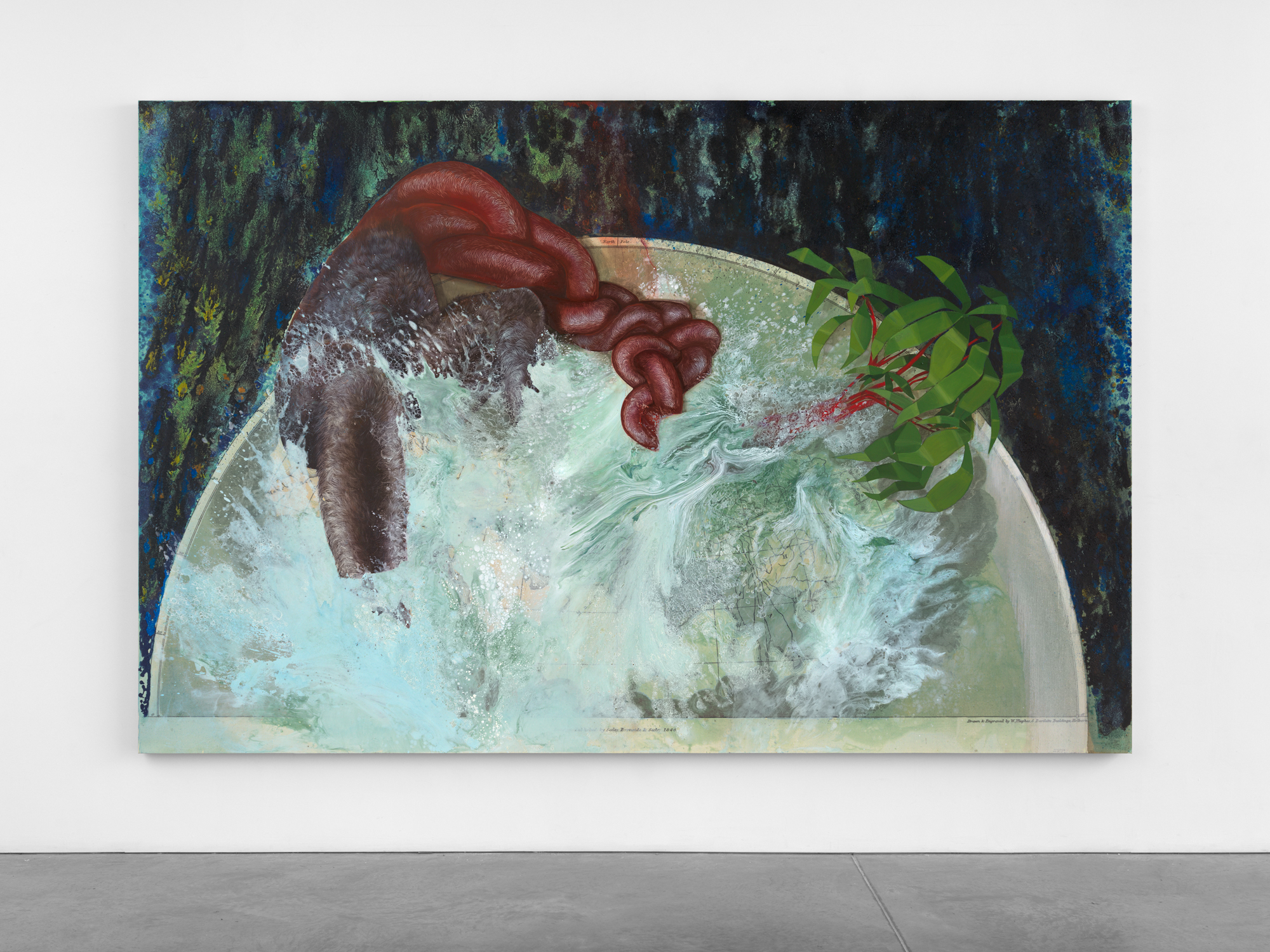
You have a long-standing interest in print culture and historical documents from de-accessioned library books to colonial-era maps and have regularly incorporated such documents into your painting as surface and background. Your current exhibition at the James Cohan gallery is filled with paintings that employ large-scale digital reproductions of historical maps from the David Rumsey Map Collection at Stanford University Library. Many of these maps depict the New World and transatlantic maritime routes from Africa and Europe. In representing the multi-directional routes of empire and colonialism, they sometimes also include fantastical elements, such as images of ‘cannibals’ and an outsized opossum in the Caribbean that appear in the 1541 Terra Nova map. I’d love to hear more about your interest in mapping and mapmaking and how you approached the colonial maps in your recent work.
FB:
I've been a bibliophile since I was very little—I would always save my money for the book fair at school. As a book hoarder, I was always drawn to writing as a way of escaping, but books also played a role as a window into different spaces. I began collecting books deaccessioned by libraries. Over time I became more aware of why these things were being deaccessioned, and that it wasn't necessarily just a cleaning out of space to make more room in a physical sense. It was also to conceptually, ethically, make room for new ideas, to disavow what was no longer popular or histories proven to be wrong or that would have been exclusionary. When I started making work on those book pages, it was with a full awareness of how these were both physical and conceptual spaces of exclusion, that fought for someone like me to not exist. Painting directly onto these pages was a way of speaking with them, or to them, directly— depicting figures that reveled in that space and actively destroyed it.
The maps I have been engaging with recently through painting all entail macro-narratives about histories of territories, bodies, and migration that are very reductive—they go back all the way to the Punic Wars, to more contemporary naval charts of different banks within the Caribbean Basin, and mercantile routes in France.
****
OC:
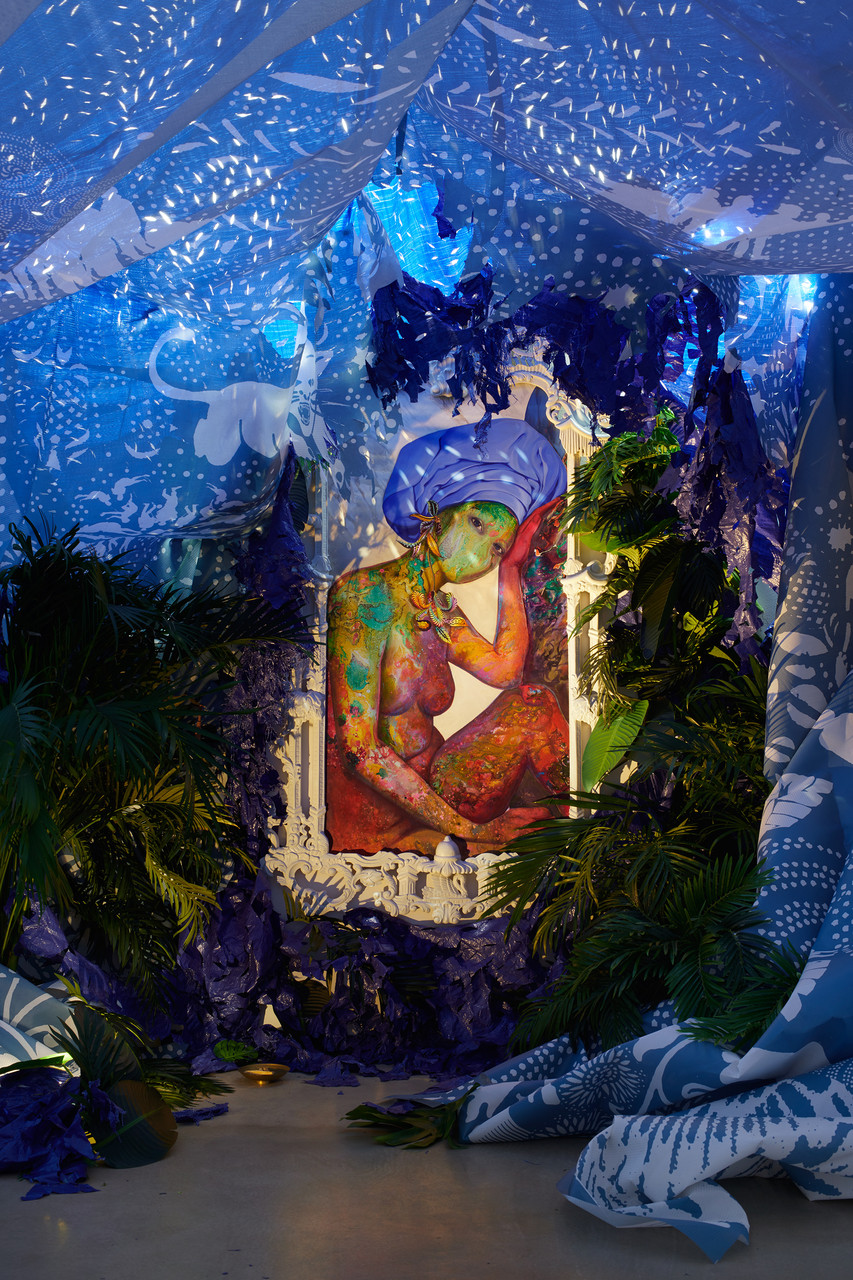
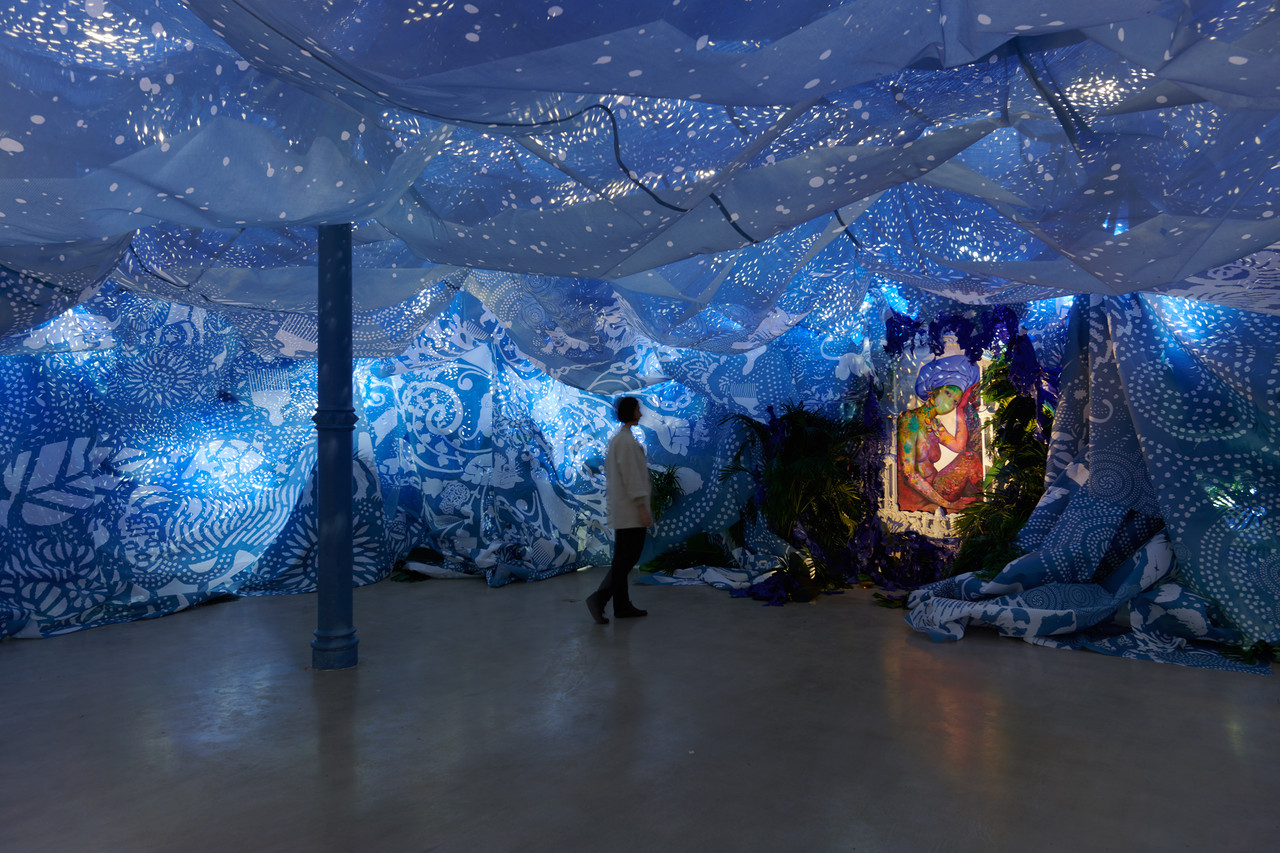
In a recent interview conversation with Isabel Custodio about your 2018 project at MoMA’s Modern Window, For Améthyste and Athénaire (Exiled Muses Beyond Jean Luc Nancy’s Canon), Anaconas, you asked “How do you make someone present when history has made such an effort to erase them?” Would you please expound upon that question in relation to the MoMA and other projects in terms of your methods of inquiry and production?
FB:
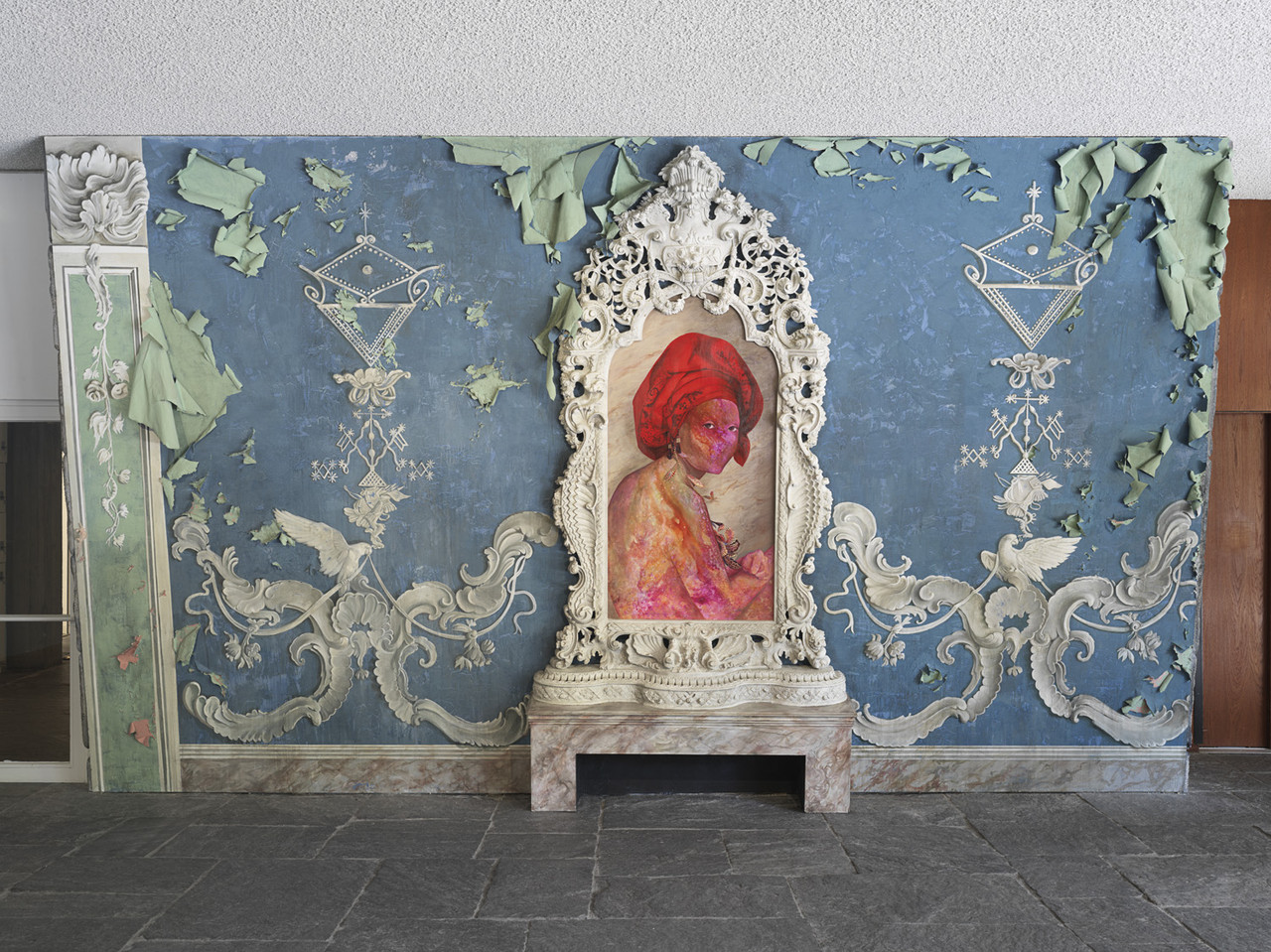
My paintings and installations explore the histories of Afro-Latina and Afro-Caribbean women that have been overshadowed by—albeit absolutely foundational to—dominant Western narratives about migration. More specifically, within the scope of Haitian history I have centered on Marie Louise Christophe, the first queen of Haiti, which gained independence from France in 1804. Following the death of her husband King Henri I of Haiti in 1820, and the fall of the Kingdom of Haiti, she was forced into exile, ultimately settling in Pisa. My recent portraits you described serve as testaments to her and her daughters' importance within the larger narrative of the Haitian Revolution. By reclaiming their story from the margins, celebrating their resilience in the face of unrest and migration, and presenting them as symbolic of the rising of a new people and culture in the New World, my goal is to encourage a more complex view of the independence movements that occurred throughout the Americas during this period.
*****
Irene Borger:
What impact has the global pandemic had on your artistic practice?
FB:
This time has made me pensive. I have been using the time to recover from a relentless decade of successively larger deadlines. Both an exciting and exhausting hamster wheel all at once. On one hand, I am making a strong effort to reach out to people—friends and family—that a frantic work schedule has distanced me from. Even though we are apart physically, I am trying to lean into technology in order to reconnect. Recovering also means committing to self-care practices: meditation, slowing down, coming to terms with not having to be in a production mindset all the time. As a maker, I am reconnecting with my hands in a way that’s not about ‘product’ but about sensory presence in an expanded sense.
IB:
Would you please say a little more about “sensory presence in an expanded sense…”
FB:
So much of my work is about a sensitivity and responsiveness to place. In particular, as a child of migration, my work is about seeking to better understand our present reality and self-perceptions by finding power in the place that I am from. By using this time to reflect—to take an inventory of where I stand in relation to the important people in my life, routines I've taken for granted, and larger narratives unfolding in the world—I can tap into that sense of my own sensory awareness in order to envision new possible stances, new possible spaces for healing and also resistance.
*******
""As a child of migration, my work is about seeking to better understand our present reality and self-perceptions by finding power in the place that I am from.""
-Firelei Báez
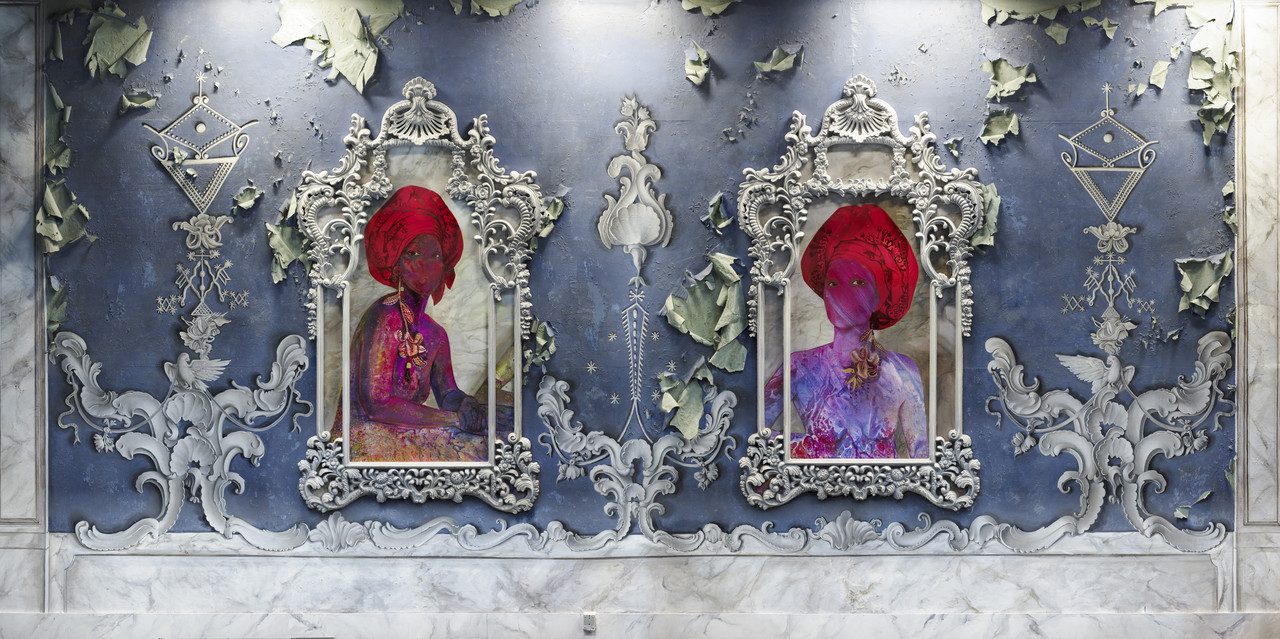
""A lot of my work has been about recontextualizing Caribbean history and making more evident how it’s been formative to a lot of ideas around the world.""
-Firelei Báez