I believe that experimenting with film form is the poetic response to a desire for new strategies of visibility, new ways of sharing knowledge or being moved by art. I believe in a maximalist cinema that has in its appetite both commercial and experimental signifiers. My work is highly textual and, at my heart, I am a reader. My films spark from that first love.
To prioritize form in film practice is to be a participant in the laboratory of the medium, seeking new ways to push picture, sound, and story, to project different geometries and logics than the inherited cinematic language. I frequently work with many collaborators, actors, dancers, and performers alongside communities who come as themselves into the frame.
I want a process that actively disassembles the labor norms and perpetuation of scarcity that are common in production. Can the film set be a site of radical dreaming? Some of my films are made in my kitchen. Some have crews of fifty people. I will spend four years conducting oral history interviews and then make an experimental narrative film as in my short film Spit on the Broom. (The interviews from this process are compiled in an archive now). My process goes very deep and has its roots in both aesthetic as well as political sensibilities.
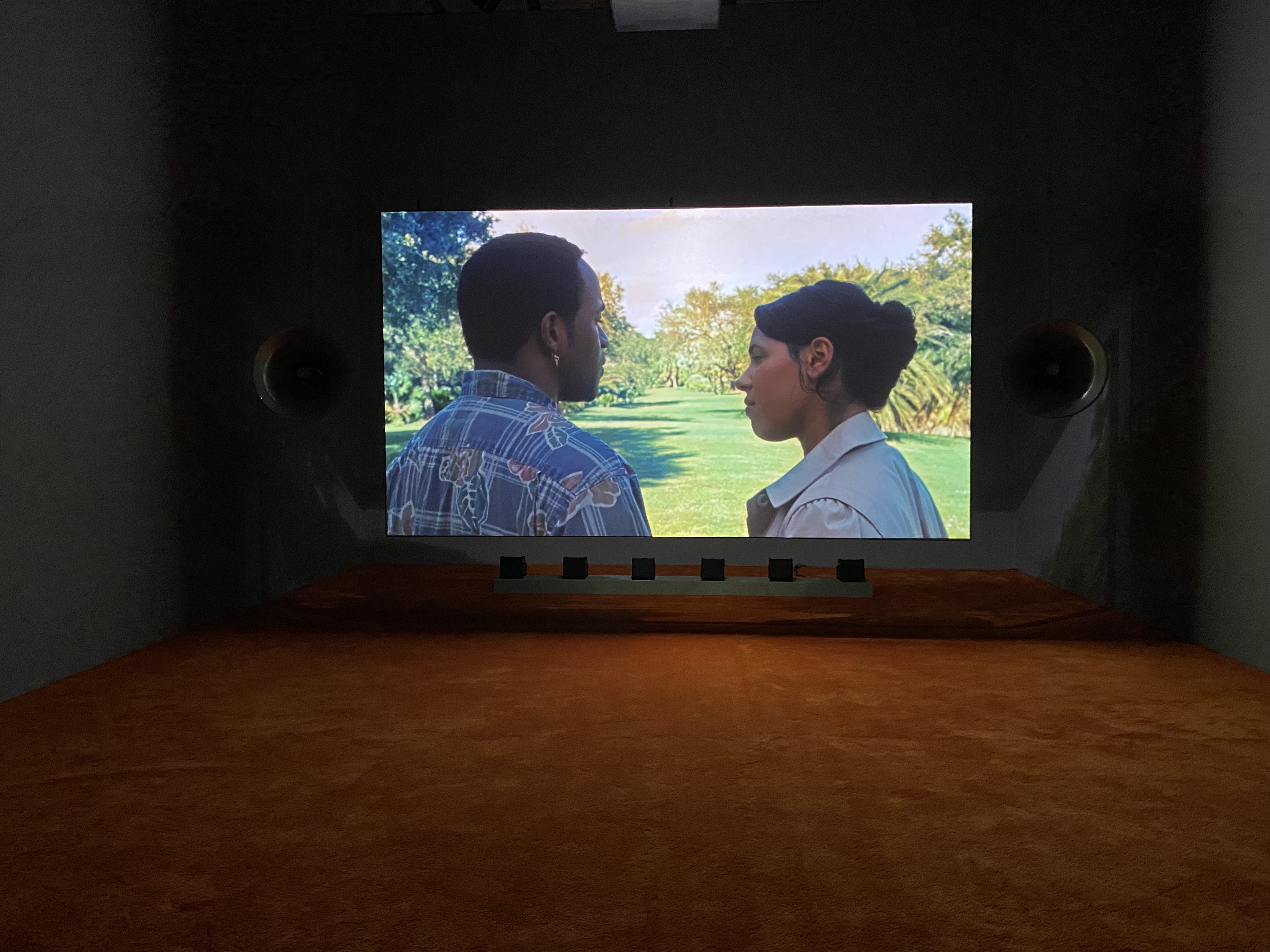
My most recent film is what I consider a “post-biopic” film about Caribbean surrealist Suzanne Césaire, deconstructing the process of bringing an actually lived life to film. The film takes place primarily in the space of the film set itself where actors and crew confront the history of this writer in her youth and then stage scenes from her life. The film will be installed as part of a solo exhibition at the Perez Art Museum in Miami in April 2023.
Suzanne Césaire saw surrealism as a tool for a decolonized mind. In Suzanne’s essay, The Grand Camouflage, she describes the beauty of an island so blinding, the true struggle of everyday life in its midst goes unnoticed by the outsider. Beauty, in her authorship, is refractive and elusive, formally it may make meaning harder to discern but it also offers cover for those who understand this dimension of inscrutability.
My question when I started this film was “how does a woman at the center of history disappear from it?”
In my practice, I move between a solitary devotion to the page, to literature, to archives and study and a love of working with actors, dancers, and performers. In recent years I’ve collaborated with actresses around short scenes, and visual tableau, discovering new ways of encountering surprise within a text or documentary subject.
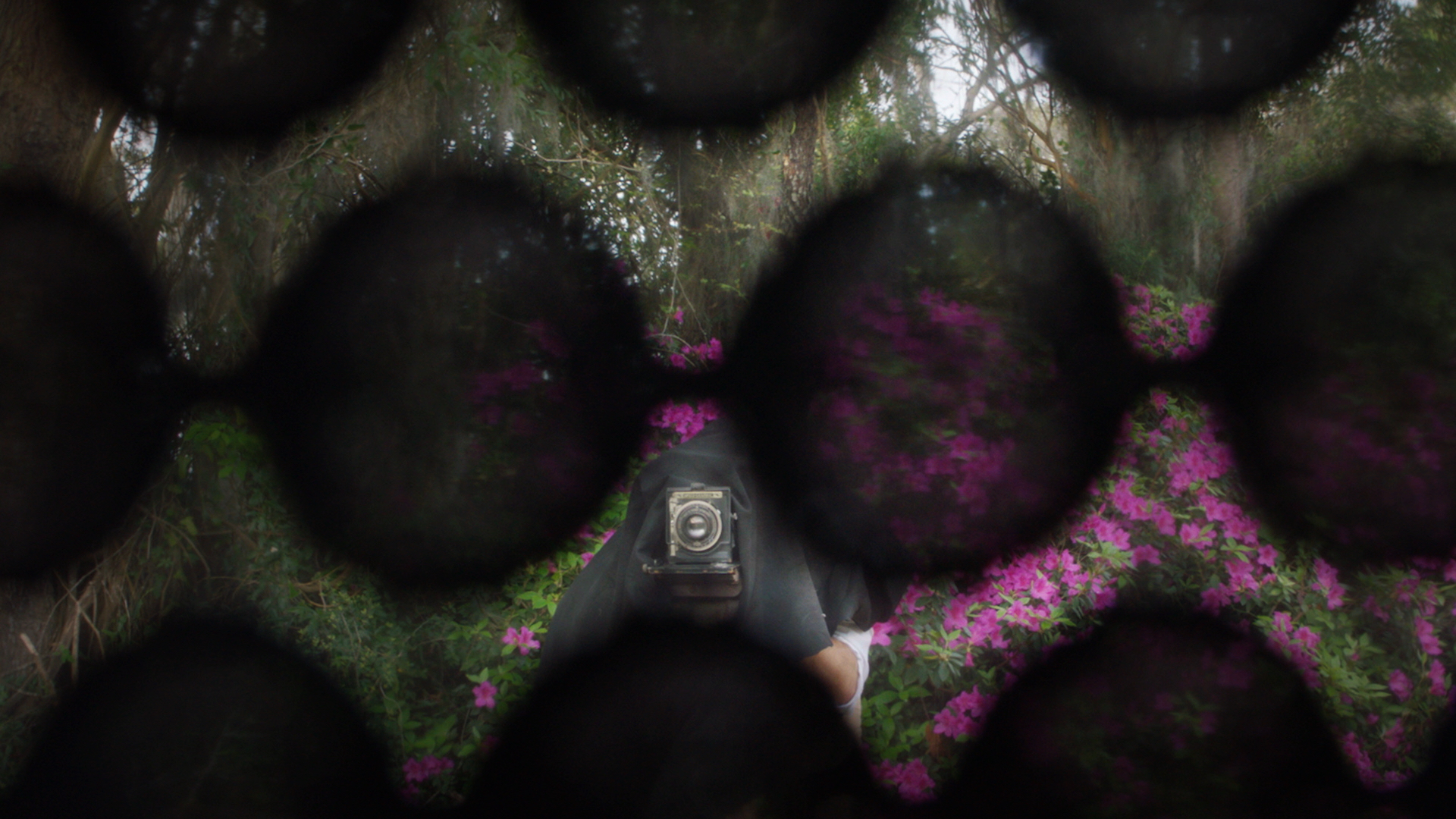
What is important to me in creative work is that there is a spirit of collaboration, play, and deep engagement present, and the work pushes the capacity of cinematic form just outside of expectation. My subject matter has encircled black women’s intellectual life past and present – but its core tends to the question: “How can photographic technology and its processes open up a space for us to tend our wounds?”
.jpg "Madeleine Hunt-Ehrlich img 3")

.jpg)
%20(1).jpg)
.jpg)

 (1).jpg "Madeleine Hunt Ehrlich img 1 AQOL")
.jpg "Madeleine Hunt-Ehrlich img 4")