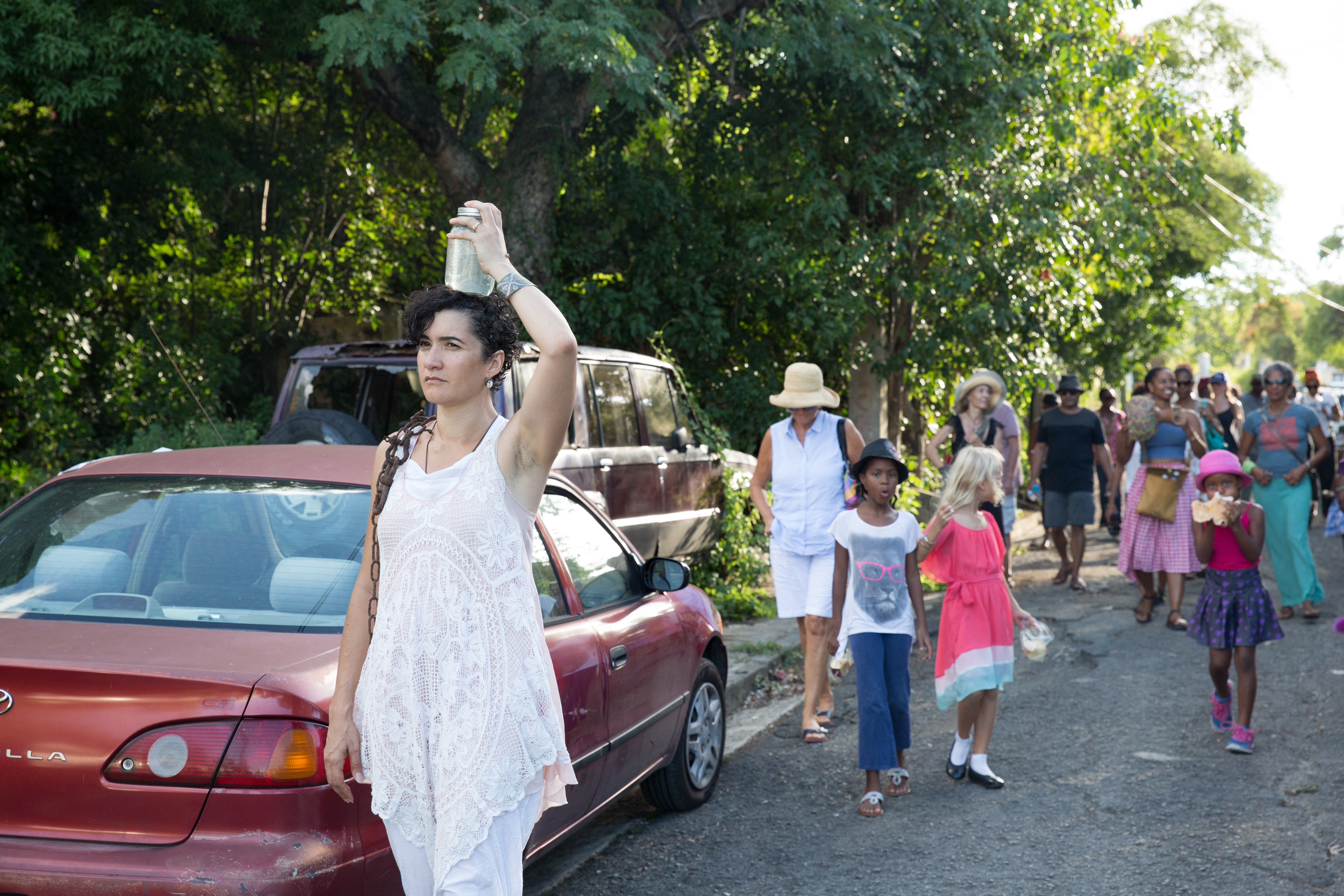
Building bold, creative communities is my choreographic imperative. I believe embodied creative process builds our collective muscles for adaptation, resource sharing and, importantly, helping each other actualize our own power. Performance-making, for me, is an endurance strategy rather than an end goal. In a culture focused on product, I’m invested in what’s produced in the process: trust, empathy, vision, strength, and love.
When there’s so much to fight against, I’m grateful to be a dancer. I cannot make a dance by resistance alone. Creating performance work is a chance to practice TOWARD something. By creating together, we learn to move through generative tension and center ideas bigger than any one of us. Making performance energizes communities to vision and act together, a practice that serves us when the stakes are much higher than producing a show.
My praxis shows up potently in Building a Better Fishtrap, a performance project I’ve shepherded for more than a decade, and in the visions I have for its (and my) future.
In 2011, I interviewed my octogenarian father about his vanishing craft of building fish traps as I grappled with why I was making dances. This dive into my creative lineage seeded the project Building a Better Fishtrap, whose animating questions are: What do we take with us? Leave behind? Return to reclaim?
Developing this project, which has evolved through many iterations, has galvanized core philosophies and languages. Among them:
“Community-specific” creative praxis – This is language I developed as a resistance to “site-specific” which, for me, holds a transactional, colonial subtext. My approach adapts in relationship with both a place and the people who call it home, centering Black histories, voices and vision.
“Pantries” and “Recipes” – I’m from a tourist destination so I don’t “tour” my work. But I do collaborate with communities that are not my home. I think of this as cooking in someone else’s kitchen. They are already equipped. What I bring are ingredients from my pantry (performance structures) and recipes (collaborative practices) that I can offer so that we can make a nourishing meal (performance) together.
“Post-memorial” practice – I began considering monuments and memorials more intensely when I began doing residencies at Virginia Commonwealth University in Richmond in 2017, the year after back-to-back hurricanes (Irma and Maria) devastated St. Croix, my home island. As my kinfolk were forced to contend with disaster capitalism that has increased the cost of living by 400%, the language “post-memorial” emerged for me as a way to insist on investing in the people who carry histories into the future, rather than in static objects meant to represent the past. I articulate this belief this way: Monuments are what empires leave behind as evidence of their might. Culture – dances, songs, stories, food – is what communities keep alive as evidence of our love.
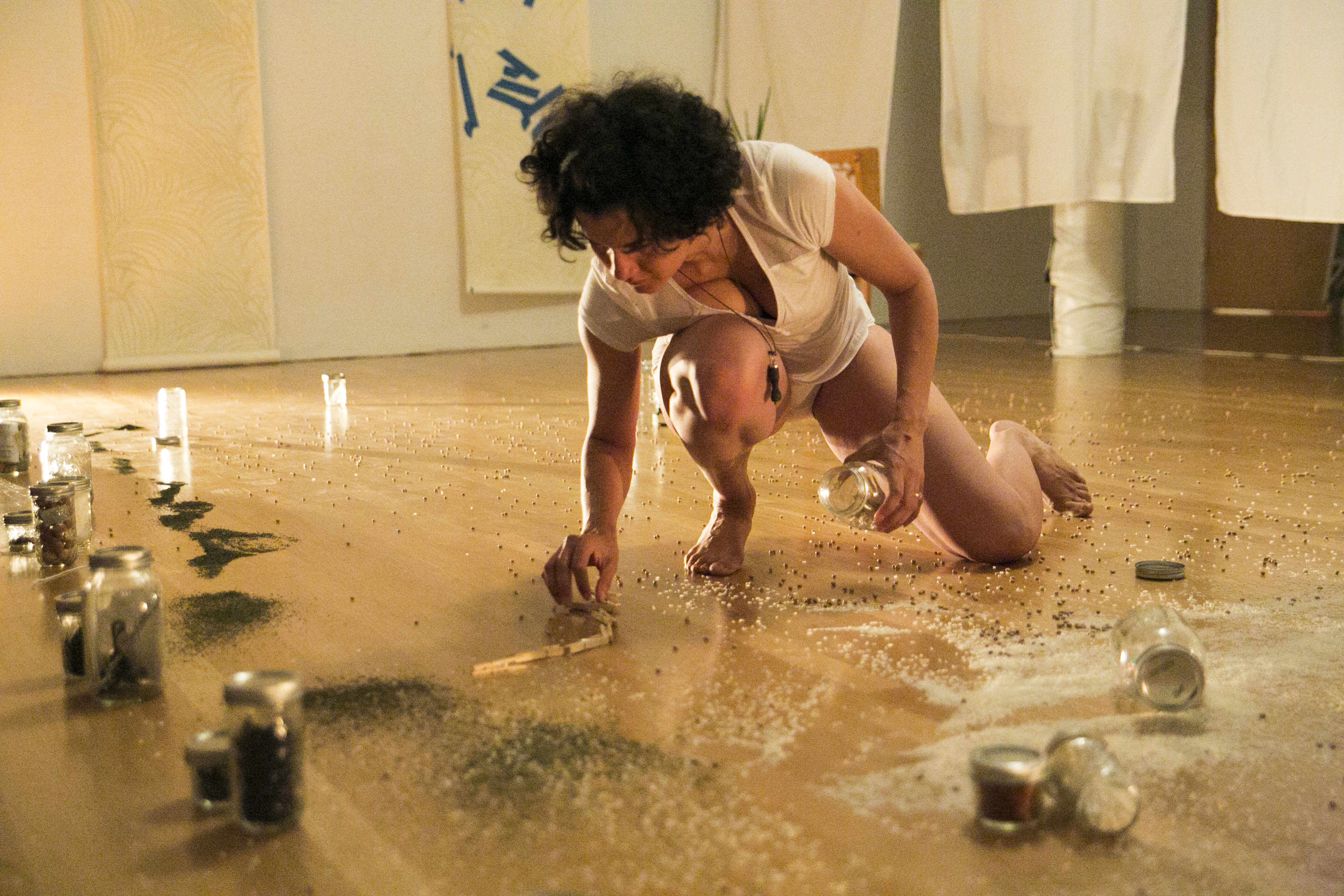
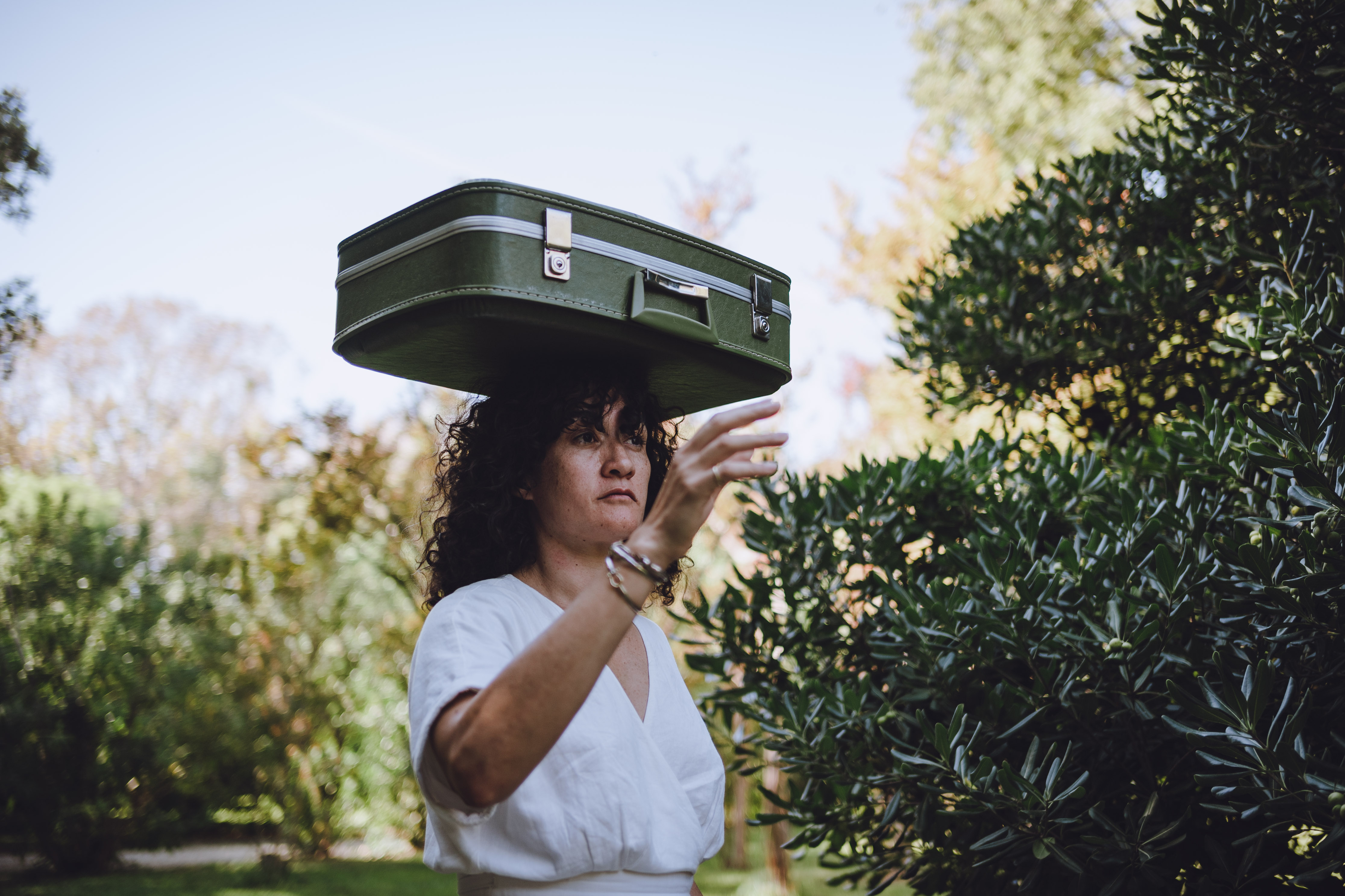
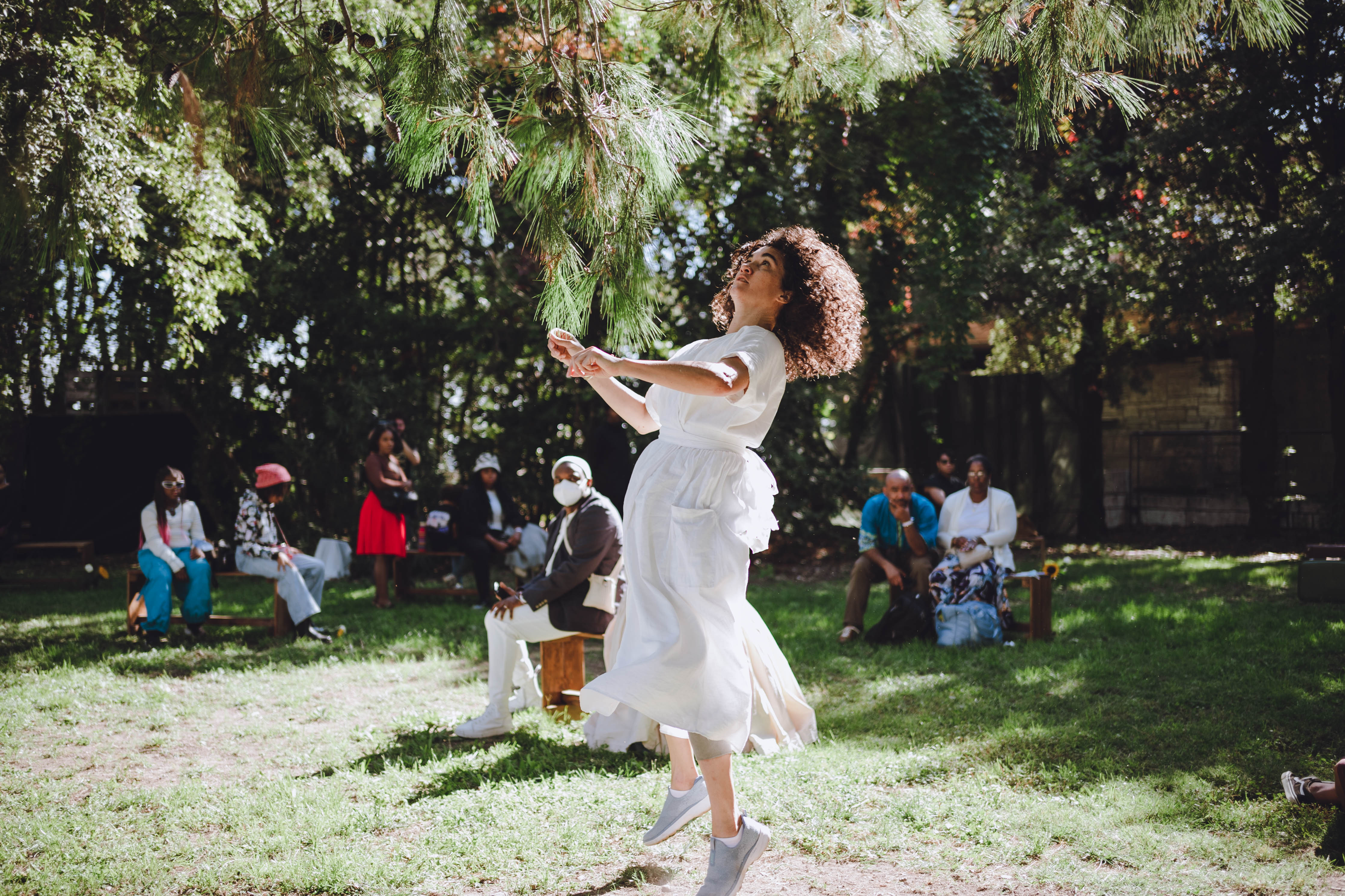
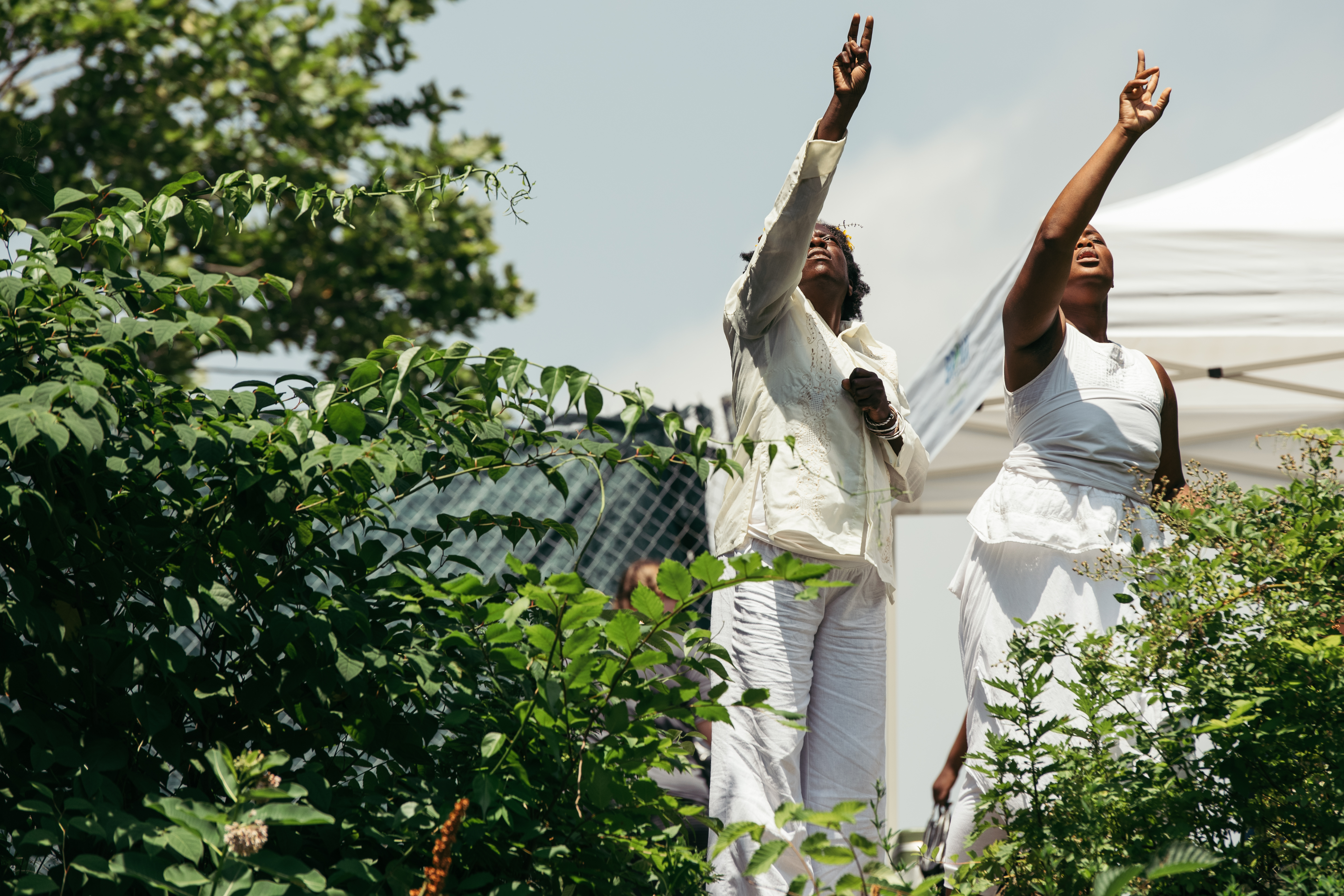
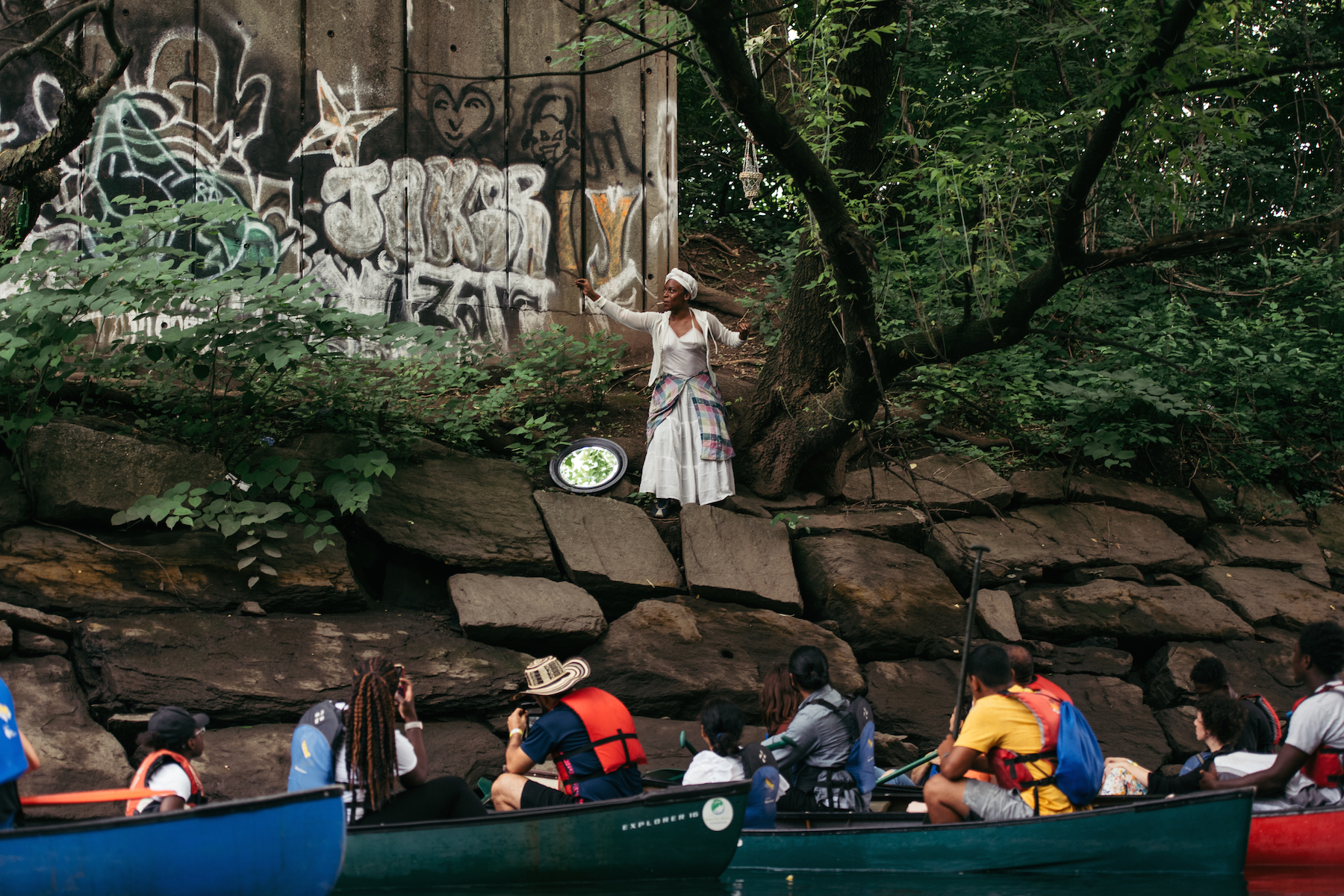
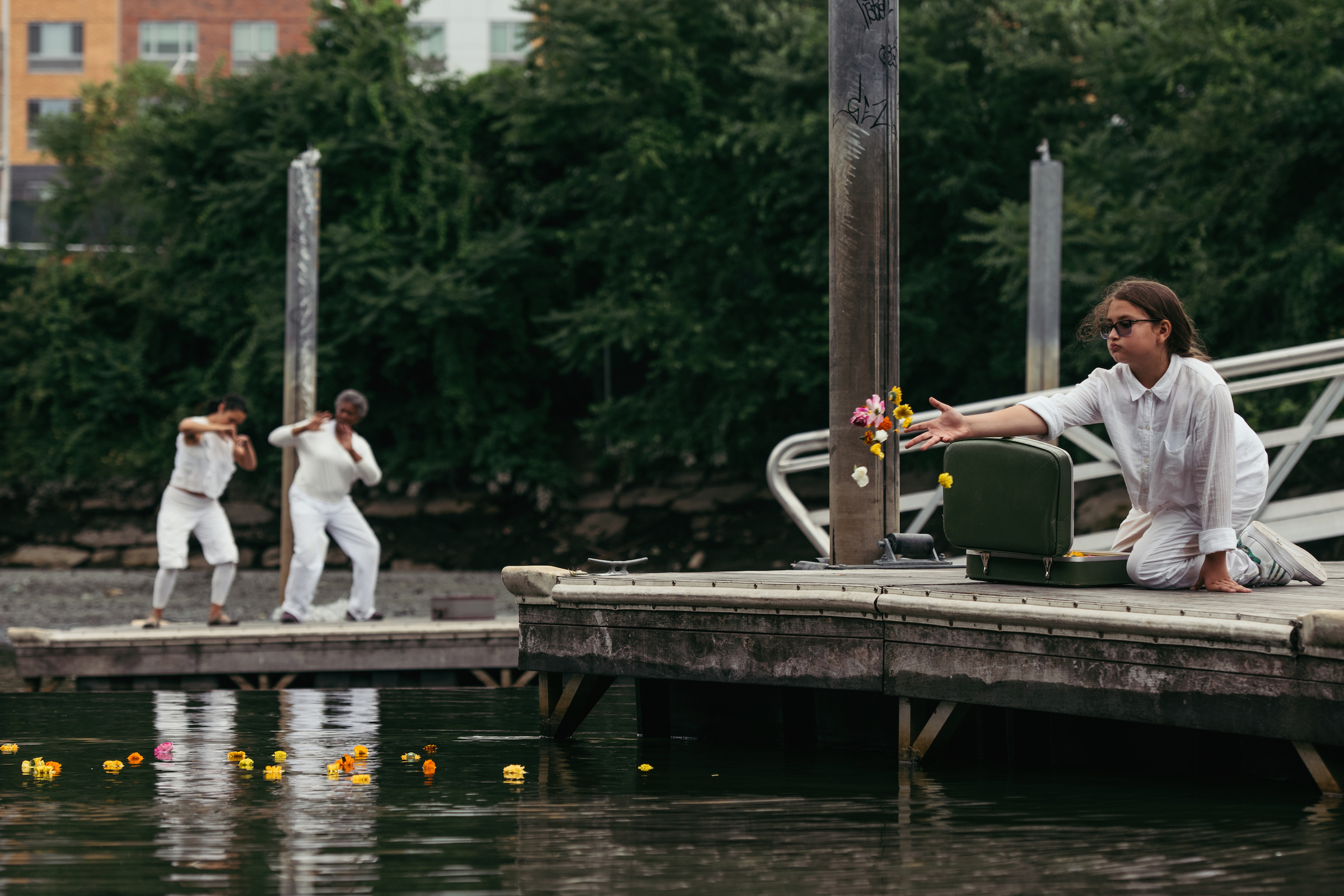
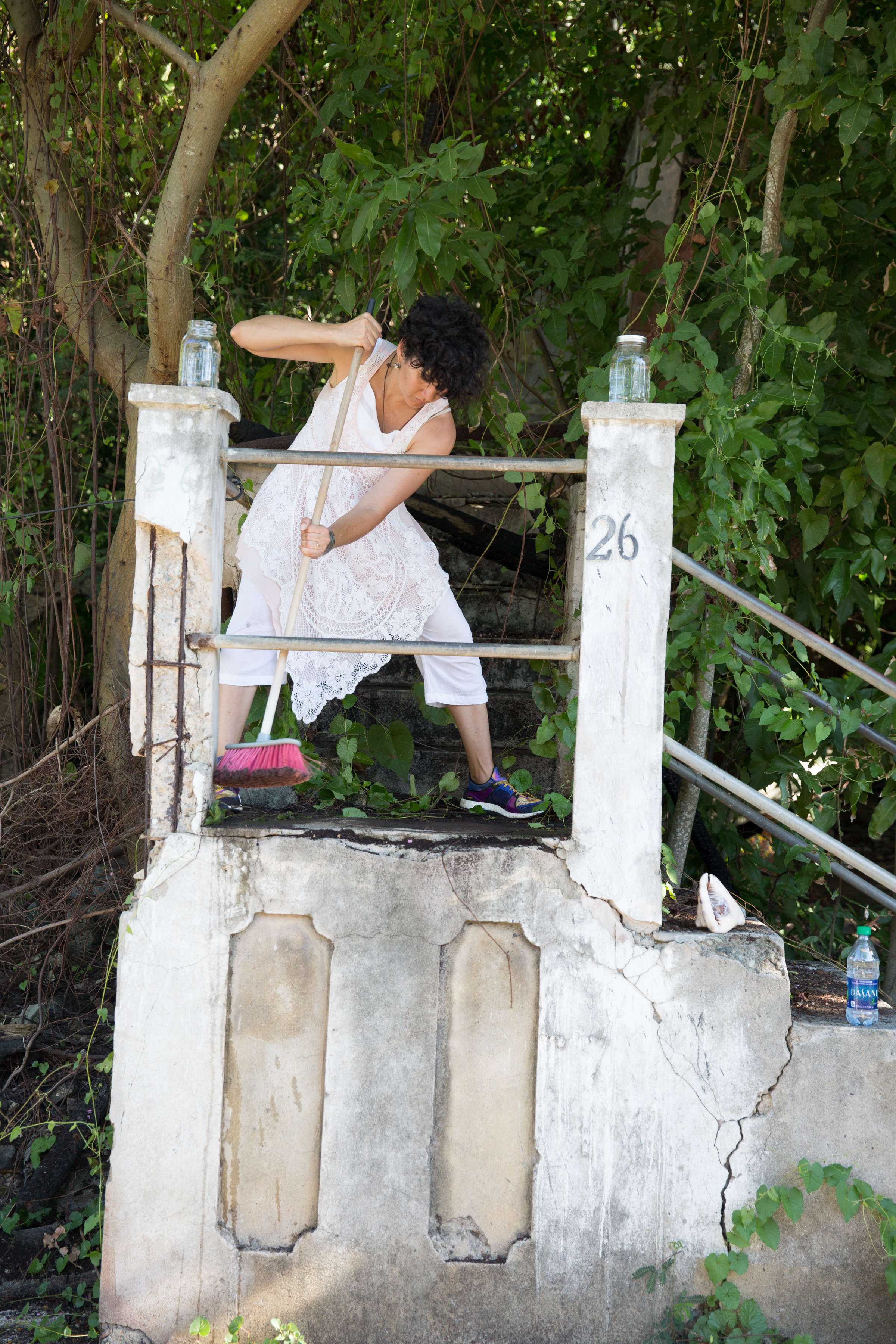
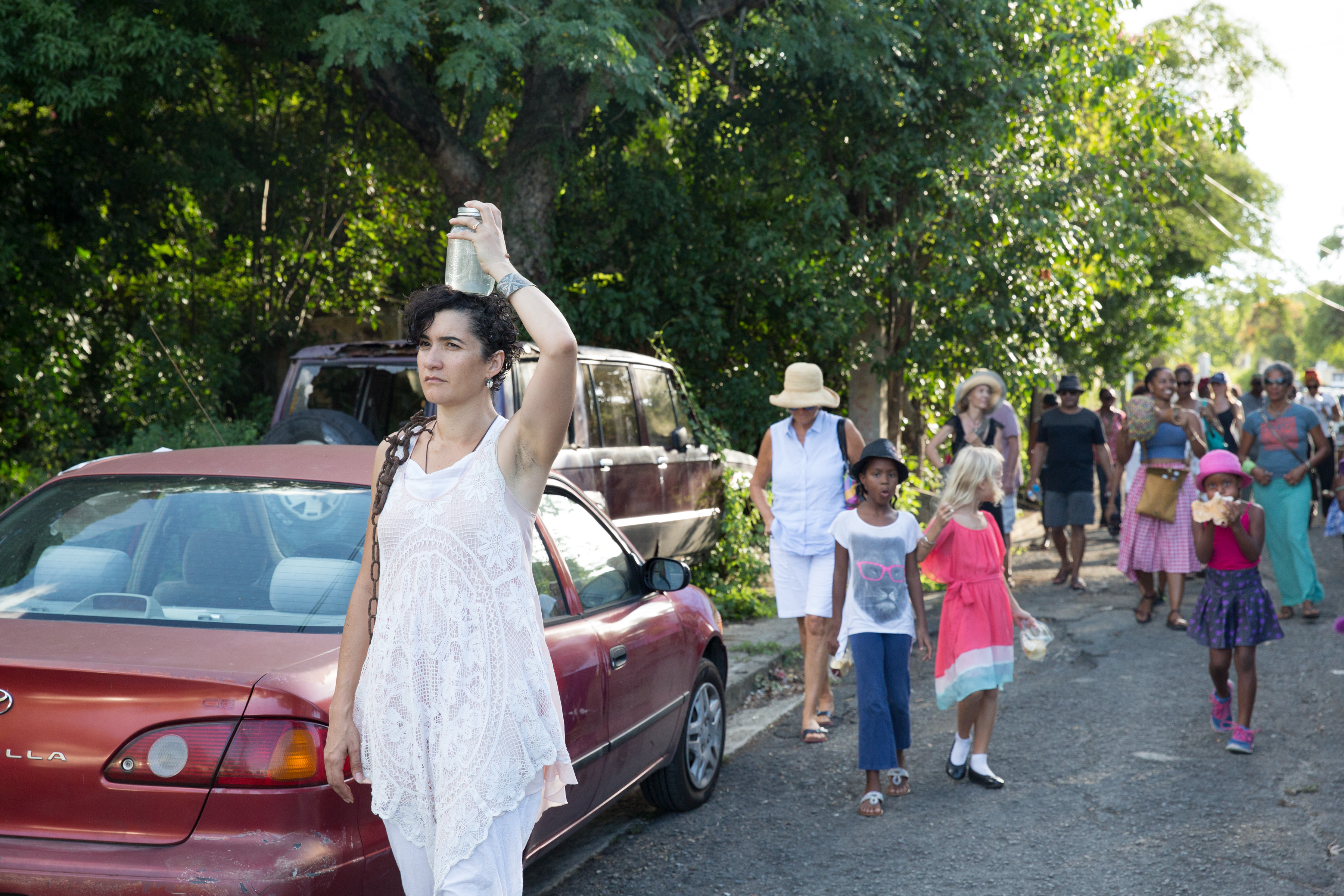
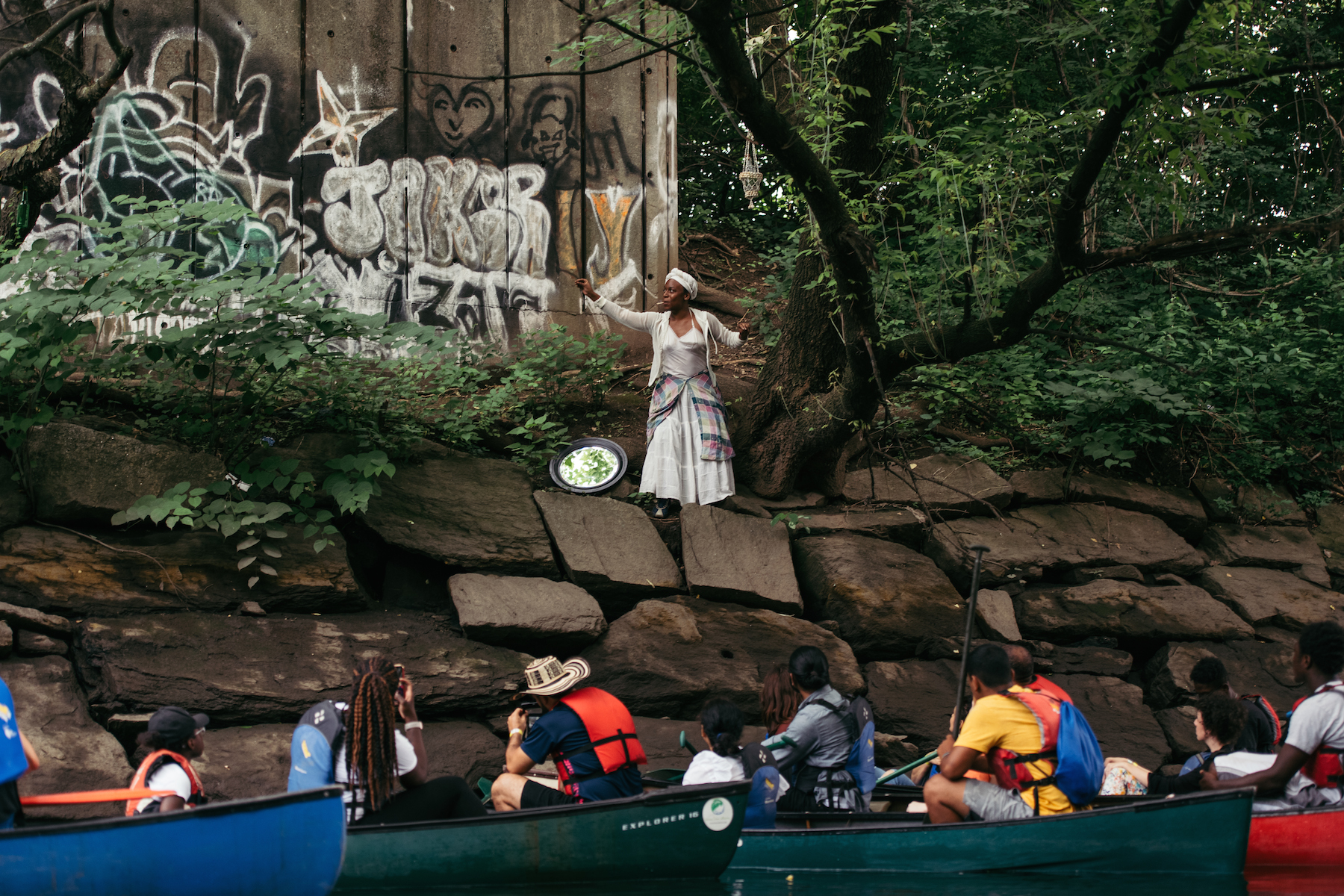
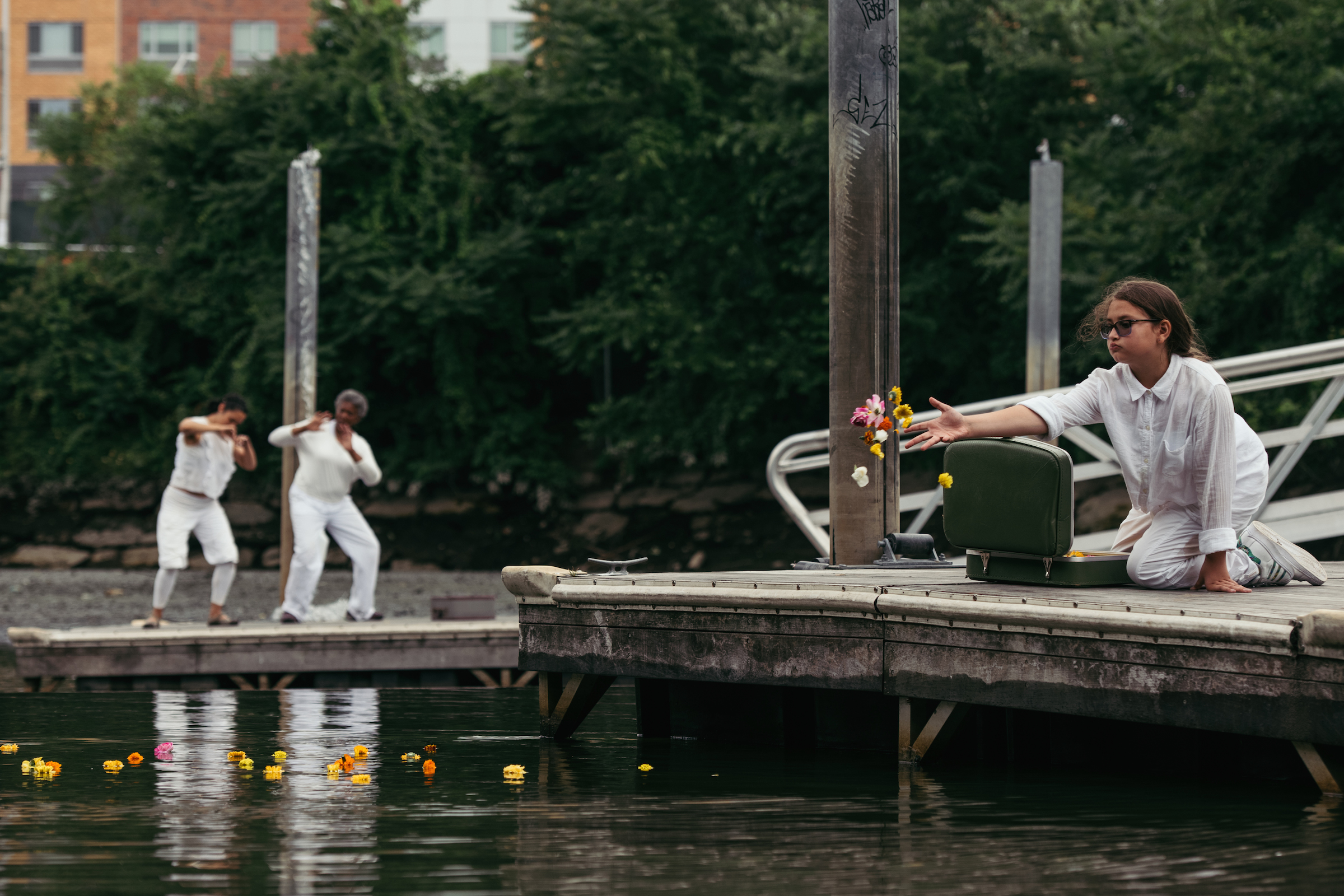
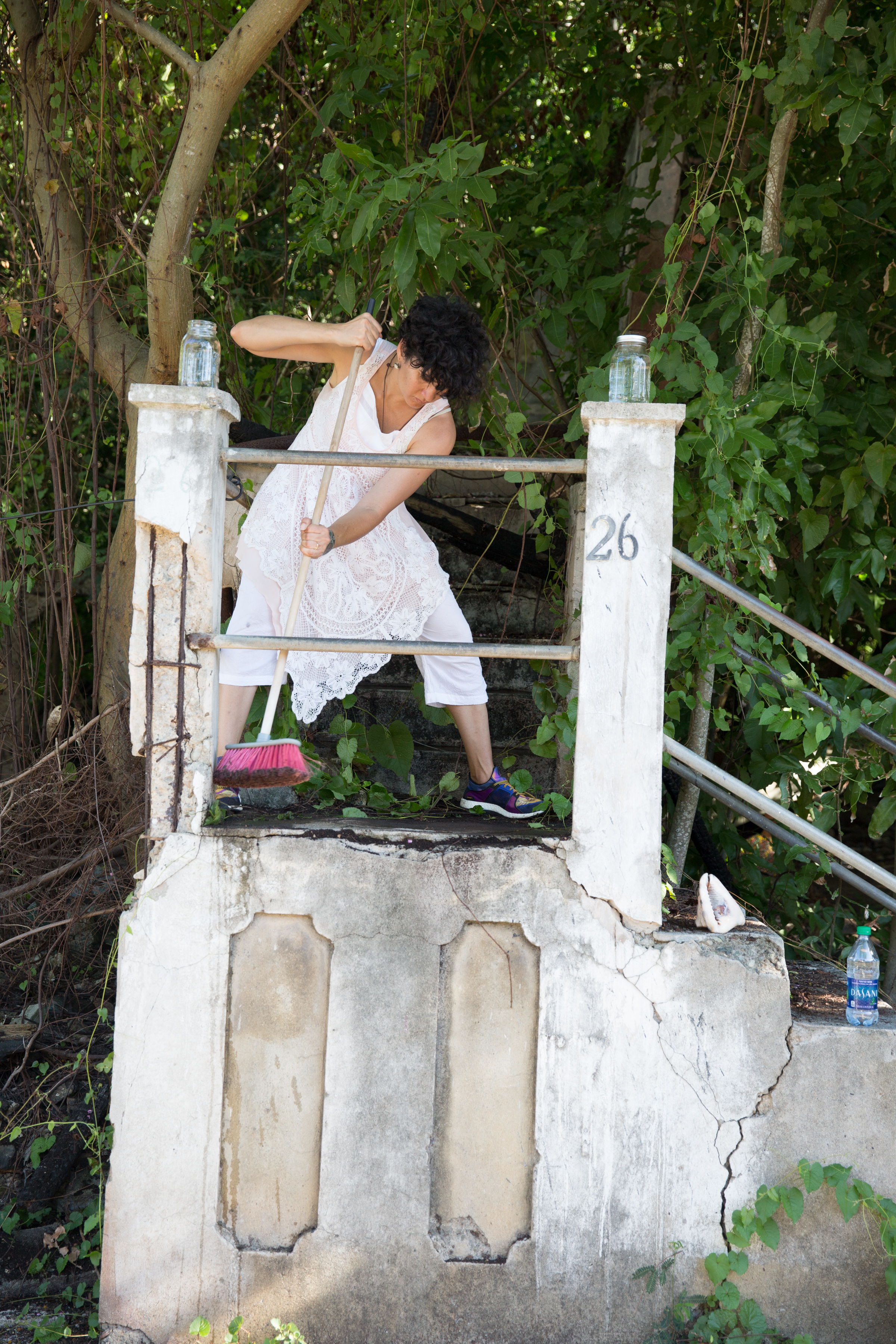
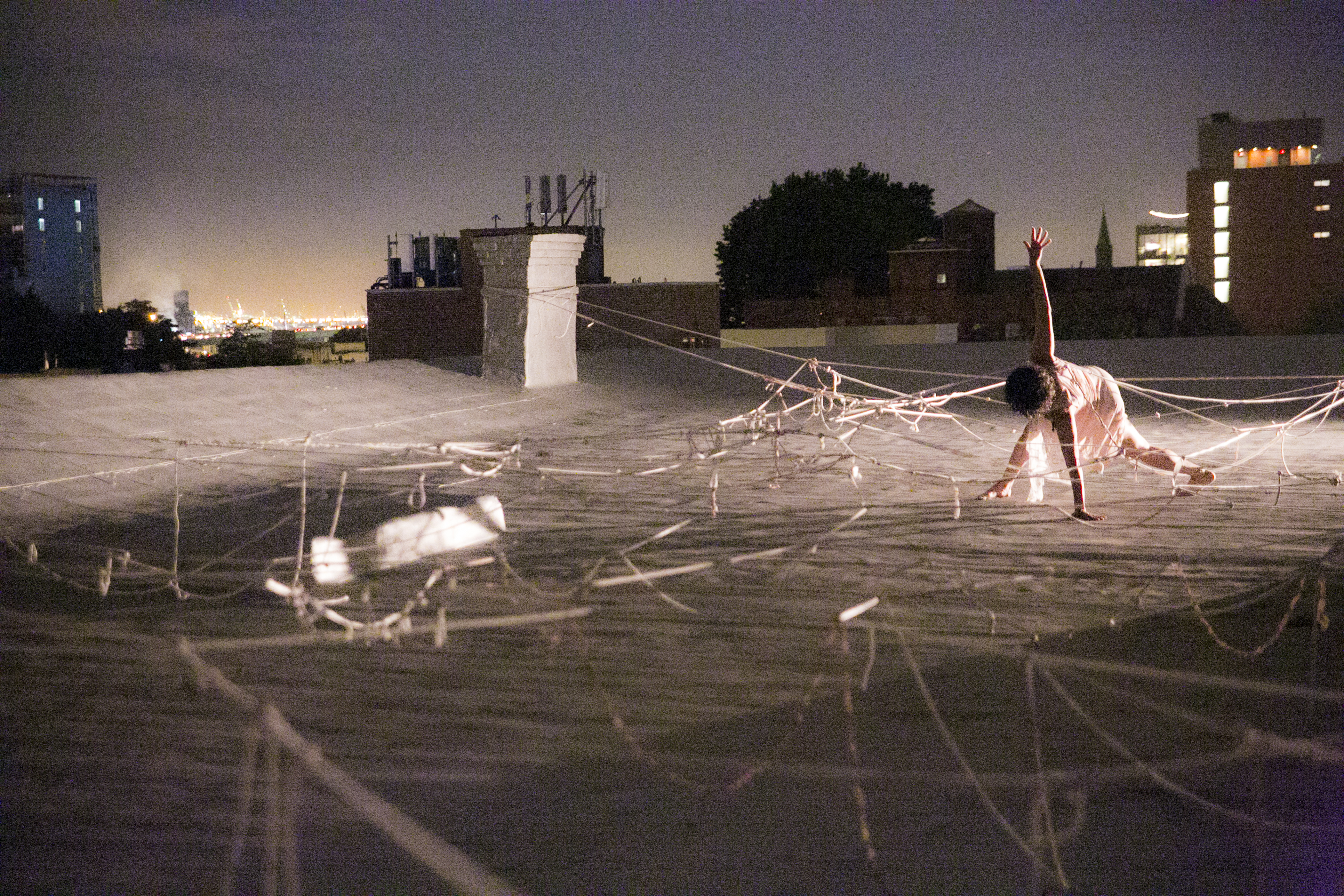
Fishtrap has manifested in many forms: as an ensemble fable in an old church hall; a solo work on two floors and a rooftop; a short film in a Crucian cane field; and a series of rituals along the Bronx River with audiences in boats.
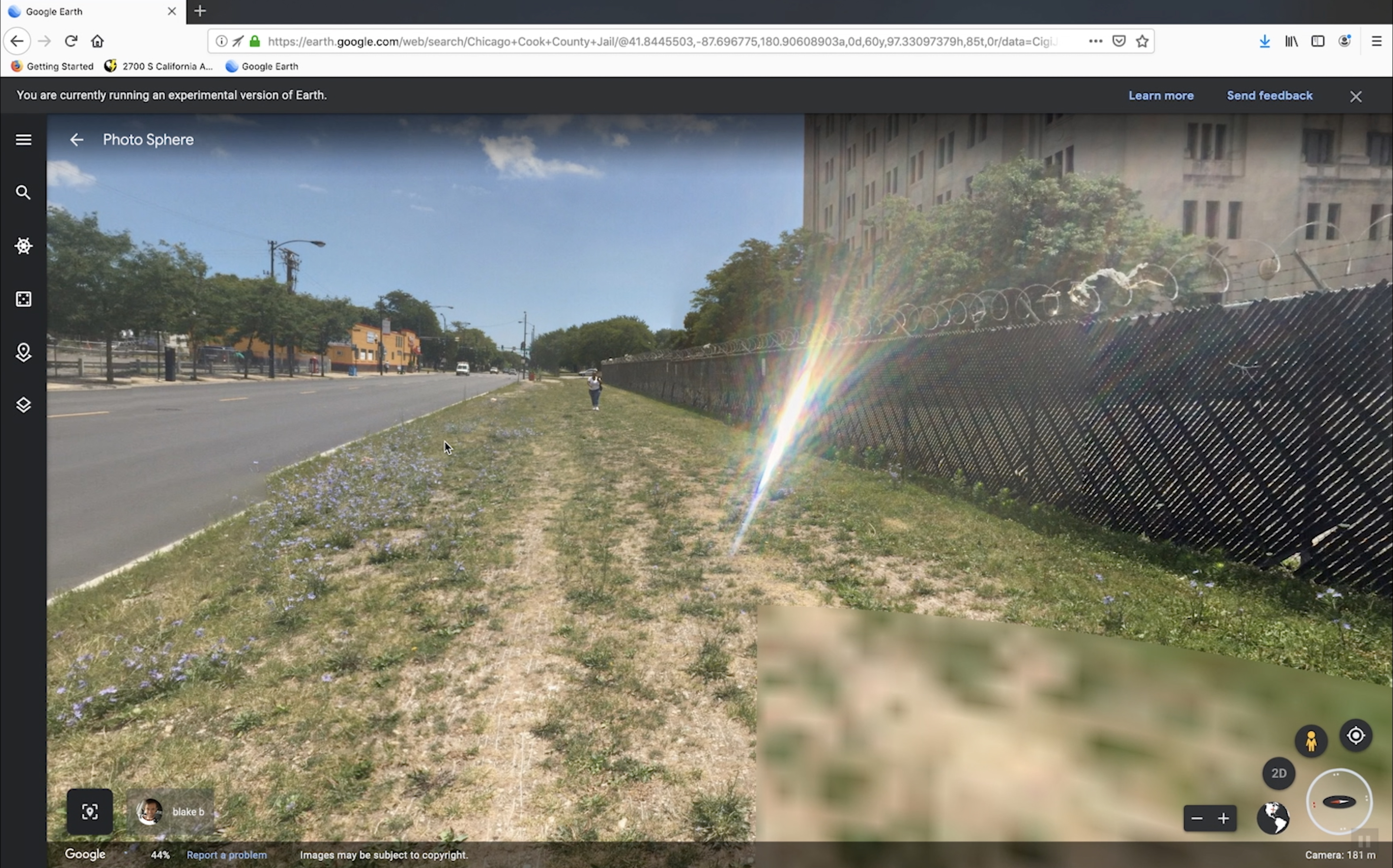
During the pandemic, Fishtrap took its most significant turn. I was able to use a fellowship intended to build performance in St. Croix (which was no longer possible) to instead build a community of study and practice: the A’we Study Group. A’we (Crucian for “all of us”) is made up of a dozen artists and culture bearers from the Virgin Islands and the continental US, in what I call a “call and response between colony and mainland.” Over the course of four years, we have read about the effects of industry on the South Shore of St. Croix, invited guest experts to discuss the impact of disaster capitalism in the wake of 2017’s tragic “IrMaria,” and created together to synthesize our learning, build trust and activate our visions.
In July 2024, I returned home to St. Croix to shepherd our first in-person Study Group intensive. Seven artists and culture bearers met daily for a week to study with elders who hold some of our Crucian liberation traditions, such as Cariso singing, Bamboula dance and masquerading.
The next stage of this work is creating A’we Monumental! (All of Us are Monumental!). Building on the Study Group model, I envision an intergenerational collaboration that leverages radical Black performance traditions of my homeland as methodologies for research, art-making, organizing and advocacy. As a generation of native Crucian culture bearers age and a new generation struggles with successive waves of disaster capitalism and violence, I will evolve the Study Group into a collective between stateside comrades and Crucian artists who are stepping with intention into our nascent eldership. This call-and-response aims to leverage my deep connections to cultural workers both in St. Croix and the mainland US in order to build cultural solidarity networks at a critical moment in Crucian and US history.
This vision comes after my father, whose practice seeded mine, passed away at age 97; and it gains urgency in the wake of the recent passing of my 88 year old mother, the namesake for my organization Angela's Pulse. It illuminates a fourth animating question: What do you bring back home? This project is one answer.
As a choreographer from the geographic Middle of the Middle Passage, now living in the US, my work focuses on the body as my primary home — for art-making, community building and transformation. My praxis is a call-and-response between colony and mainland; body and geography; art-making and organizing.
I bring together a community organizer’s framework and a choreographer’s craft in the service of big visions. My work activates a broad range of people as collaborators — across generation, geography, race and culture — using embodied practice to cultivate the body as a space for transformation and connection.
As both a performance maker and an organizer I’m invested in transformative, rather than transactional processes. In my opinion, most arts institutions focus too much on investing in final products (and a pittance of investment at that — as most projects cost a lot more to create than they ever earn). I’m interested in investing in who we are, how we create and grow, and who has our back. I invest in Black artists — not just in what we produce but in our well-being, connection and sense of possibility. I intentionally cultivate people’s leadership over time, so that they build the capacity to support one another and develop their own visions. I want us to thrive as a community, not just as individuals.
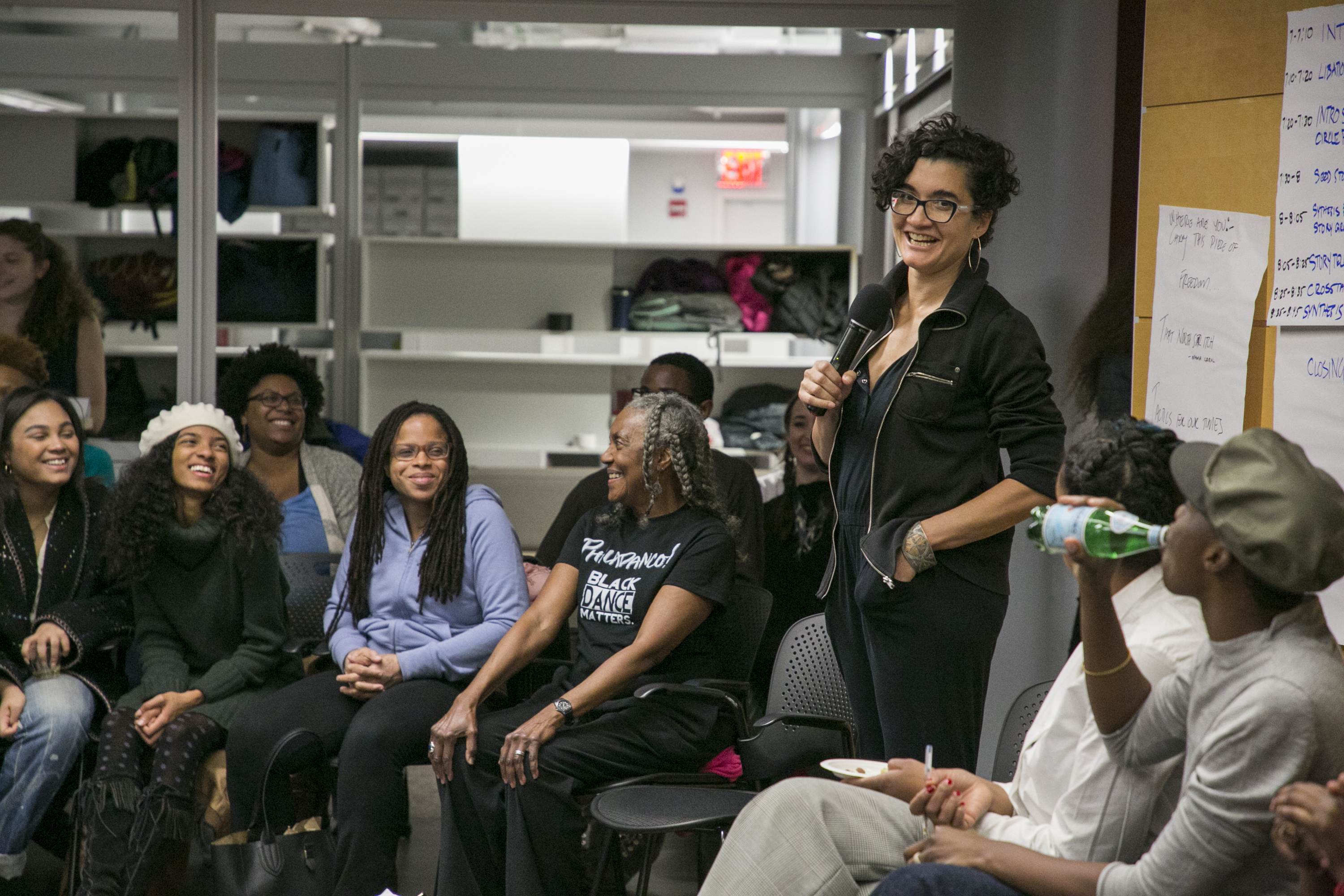
In that spirit, in 2012 – alongside the Fishtrap – I founded Dancing While Black (DWB), an initiative focused on a community-building, intergenerational exchange and innovation among Black dance artists whose work, like mine, doesn’t fit neatly into boxes. I consider this work to be choreographic and shepherding it has strengthened both my aesthetics and sense of purpose.
DWB has produced more than three dozen public dialogues and performances, supported the development of 30 Black artists through the yearlong DWB Fellowship, and published a landmark digital journal by and for Black dance innovators. The DWB Fellowship itself brings together a group of six artists to spend a year building a network of support, sharing and learning from one another’s practices, participating in workshops taught by master artists and DWB Fellowship alumni, and creating new work. The design of the fellowship is aimed at counteracting the sense of isolation and competition that can too often permeate the dance field.
One thing I’m especially proud of is expanding to a co-director model, with three DWB Fellowship alumni now steering the platform with me. As with the Fishtrap, DWB emphasizes building community across generations as a critical investment in a sustainable practice. By learning directly from Black elders and master artists, DWB Fellows gain a deeper understanding of the cultural and historical context in which they are developing their own visions. The fellowship allows emerging artists to deepen their roots so their practice can grow and evolve.
Developing DWB has shaped how I envision and strategize about my work at home in St. Croix. It has helped me conceive of my work as womb work, creating incubation spaces for visions to grow.
I have learned to value circularity, iteration and emergence in all I do, as a more fertile alternative to the linearity of racist capitalist patriarchy. This is my theory of change. This is how we sustain US.