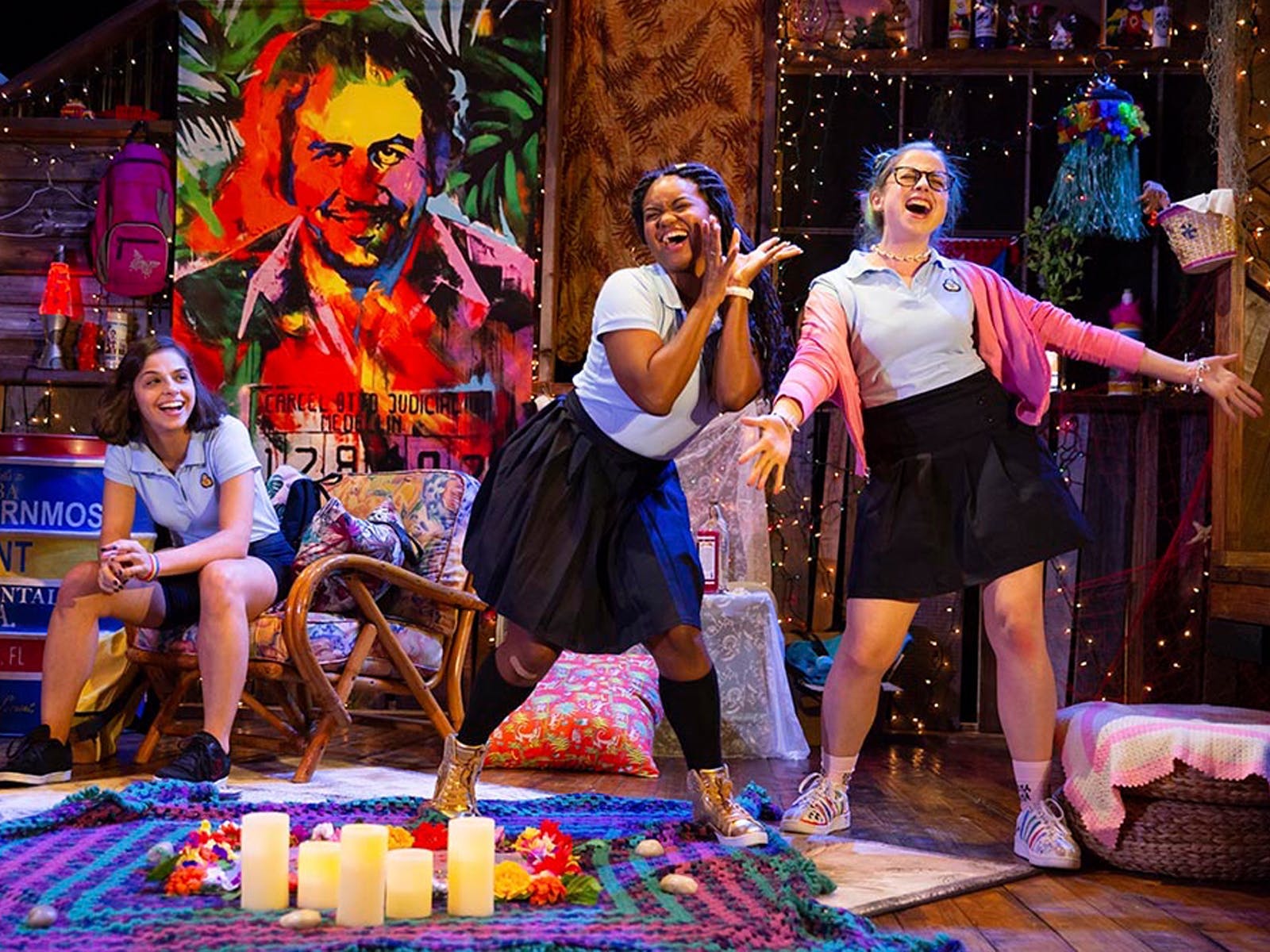
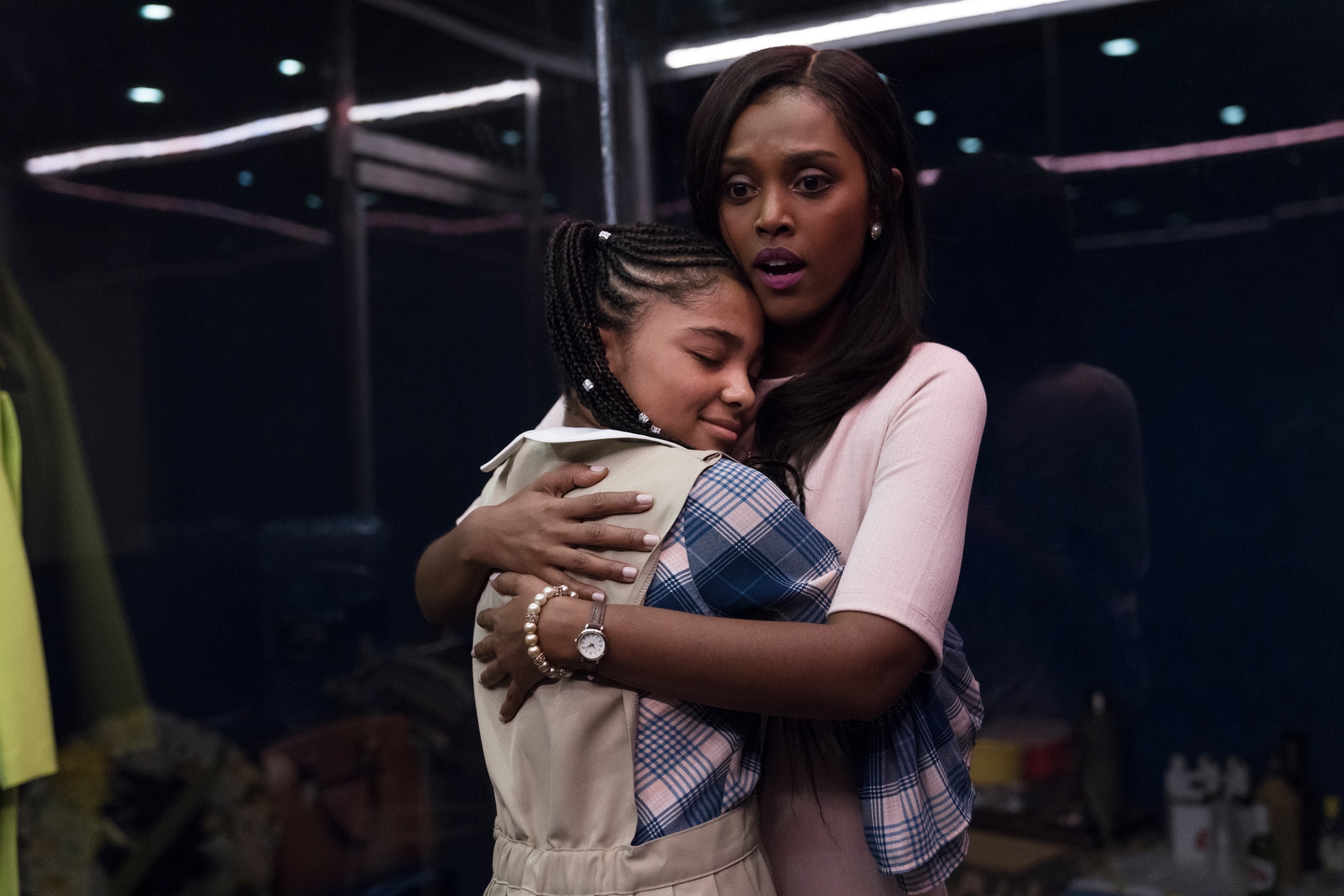
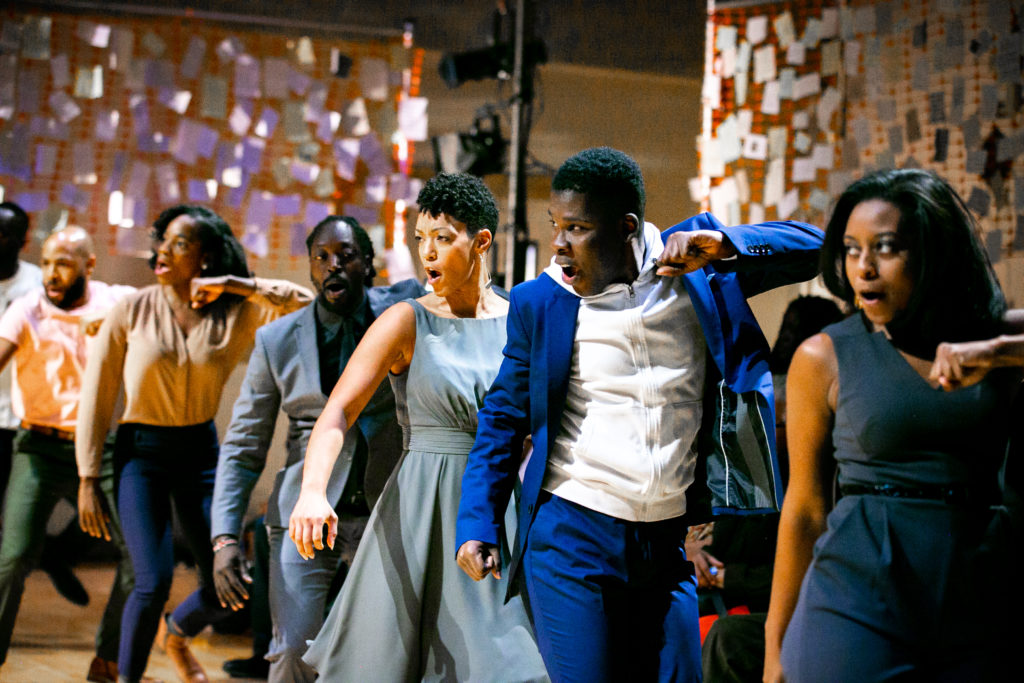
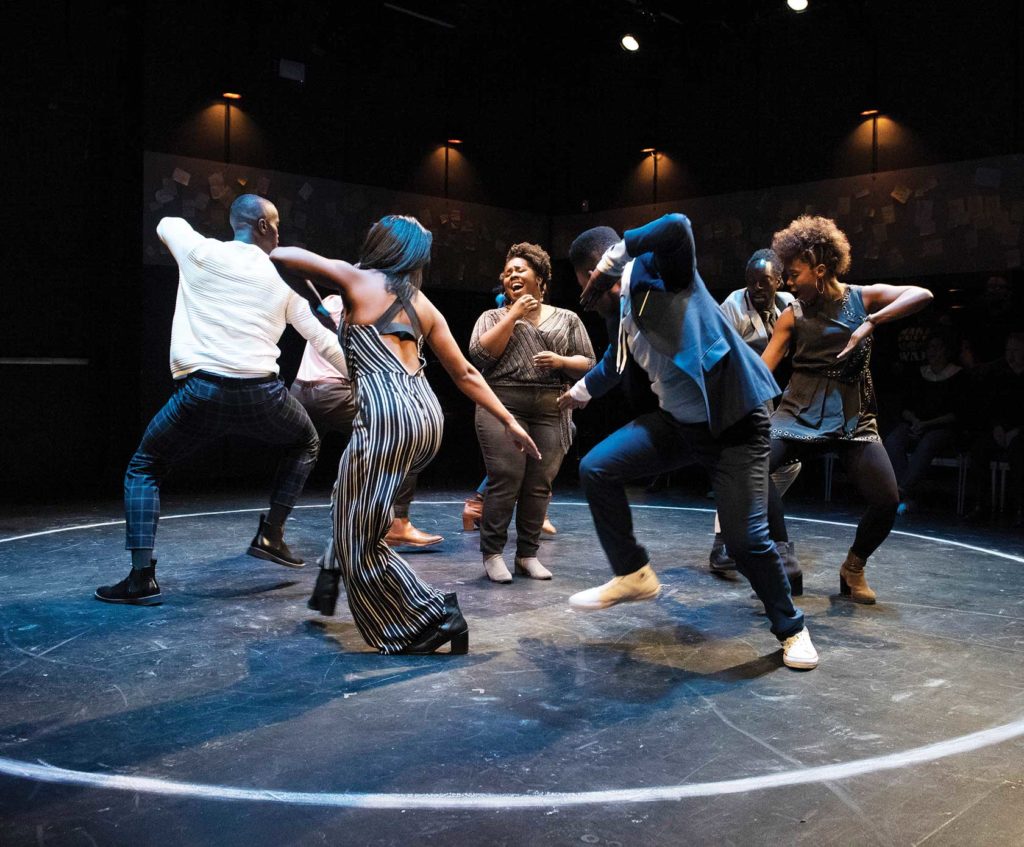
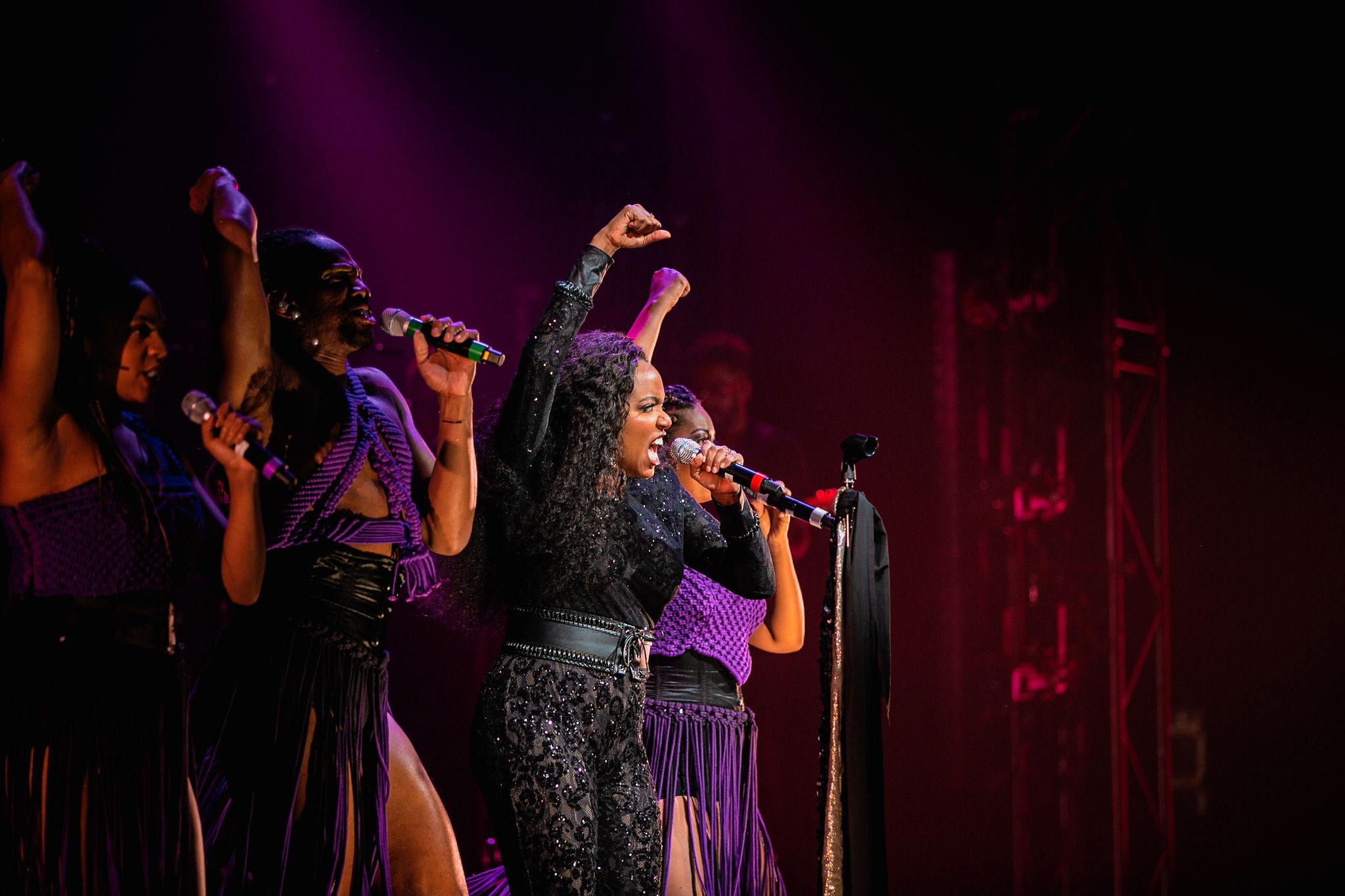
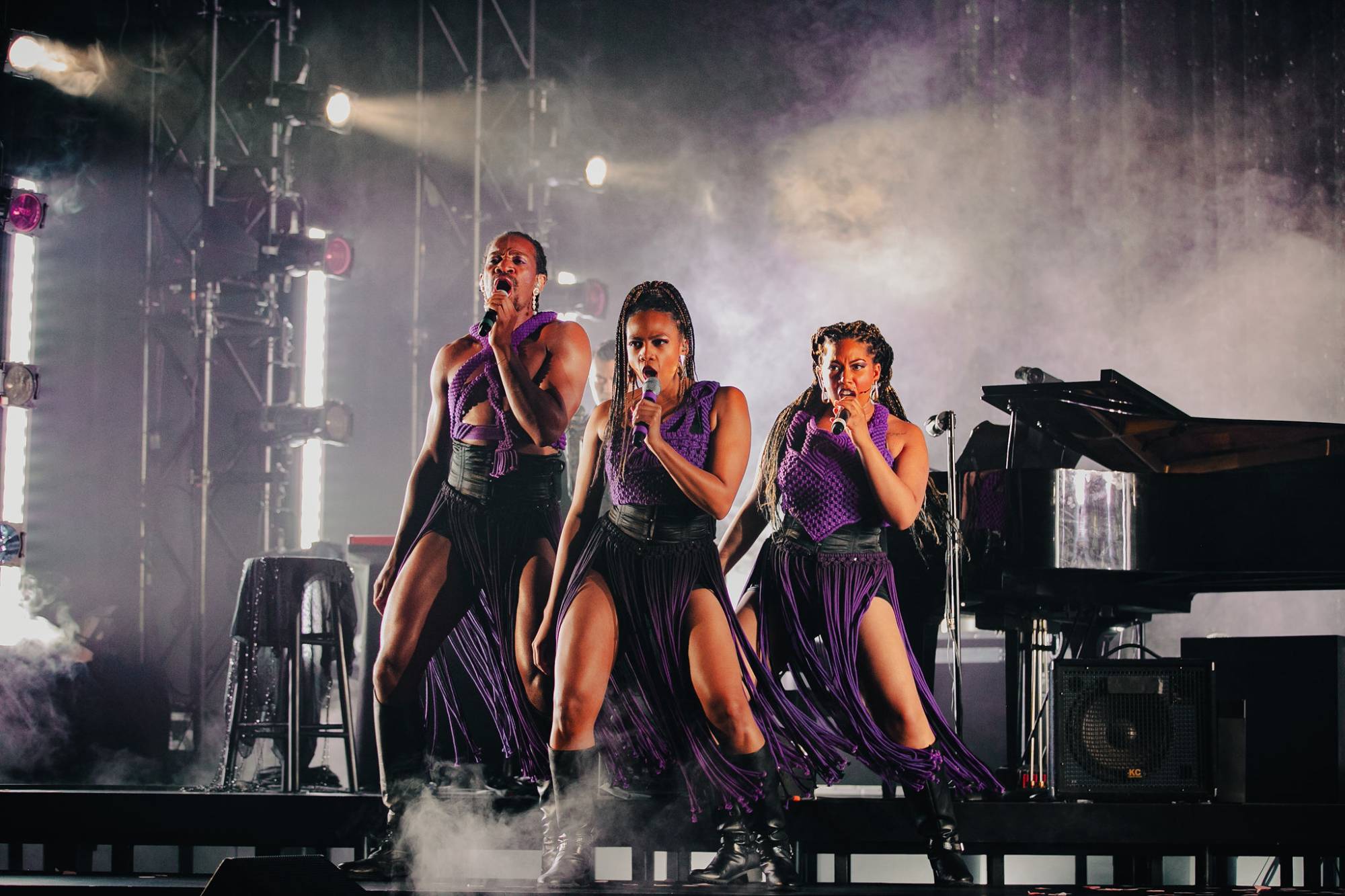
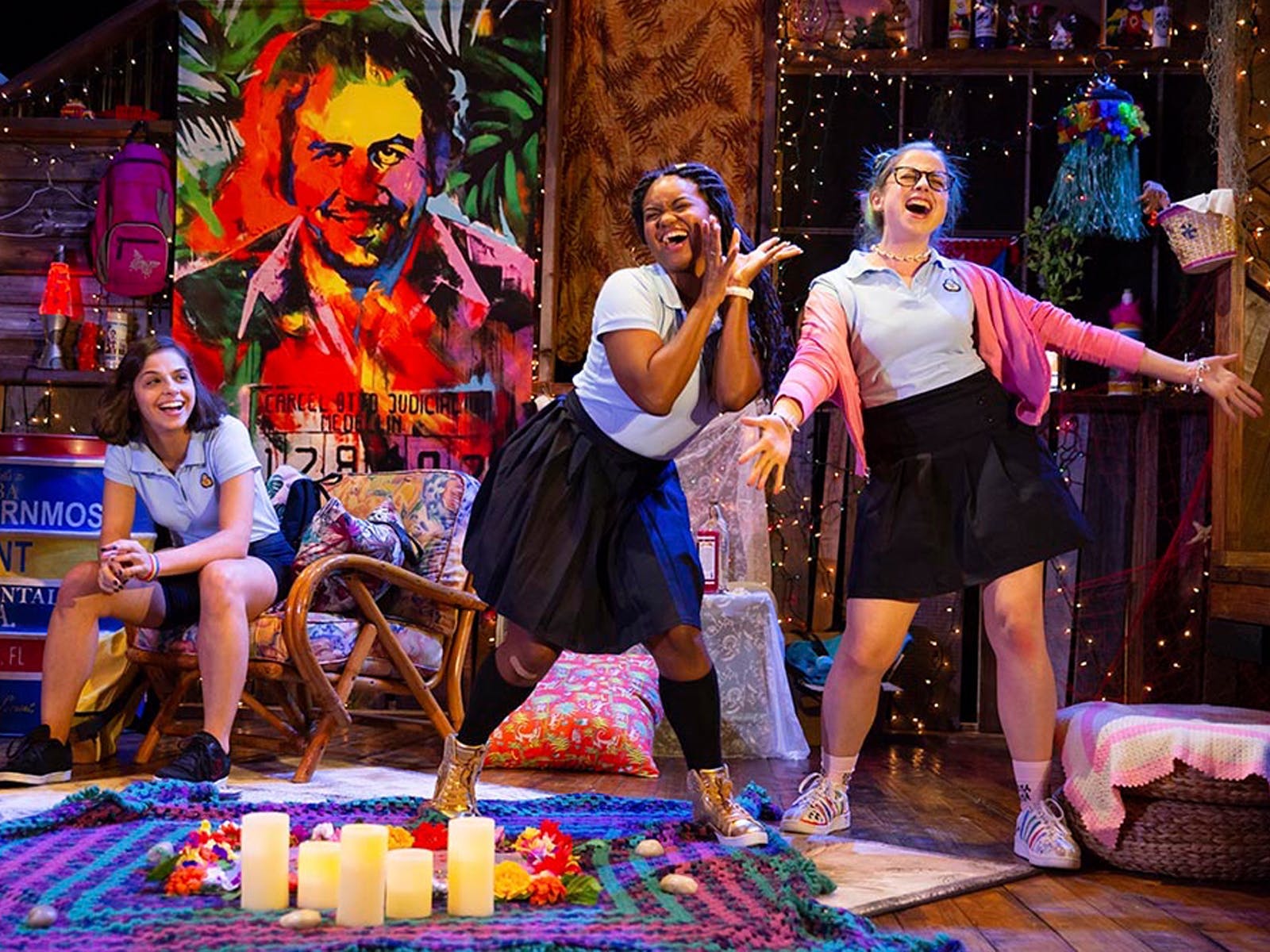
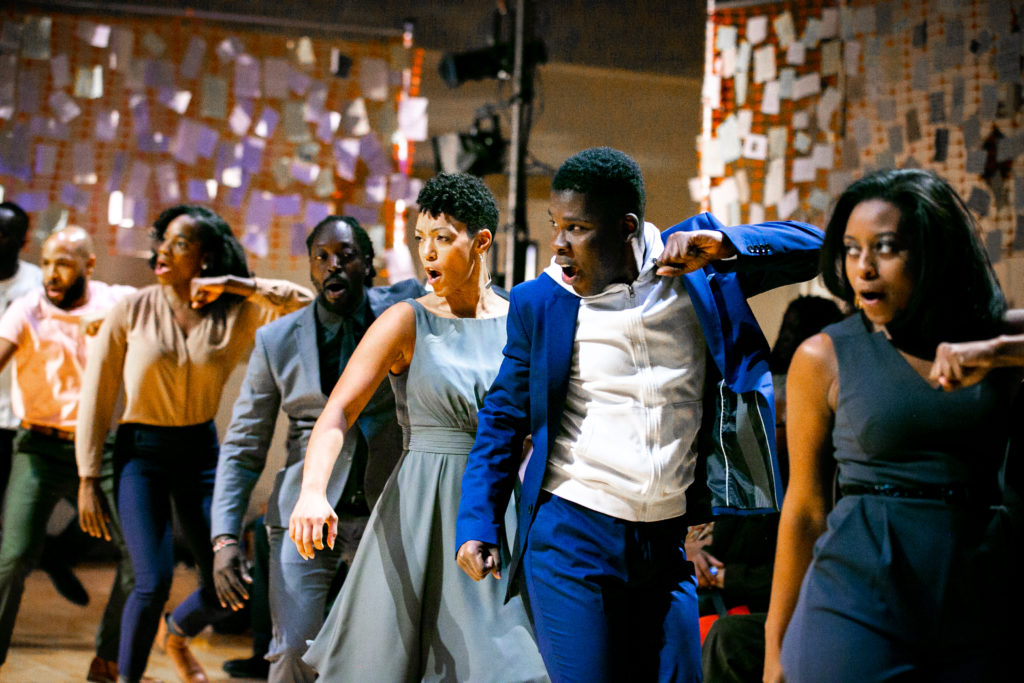
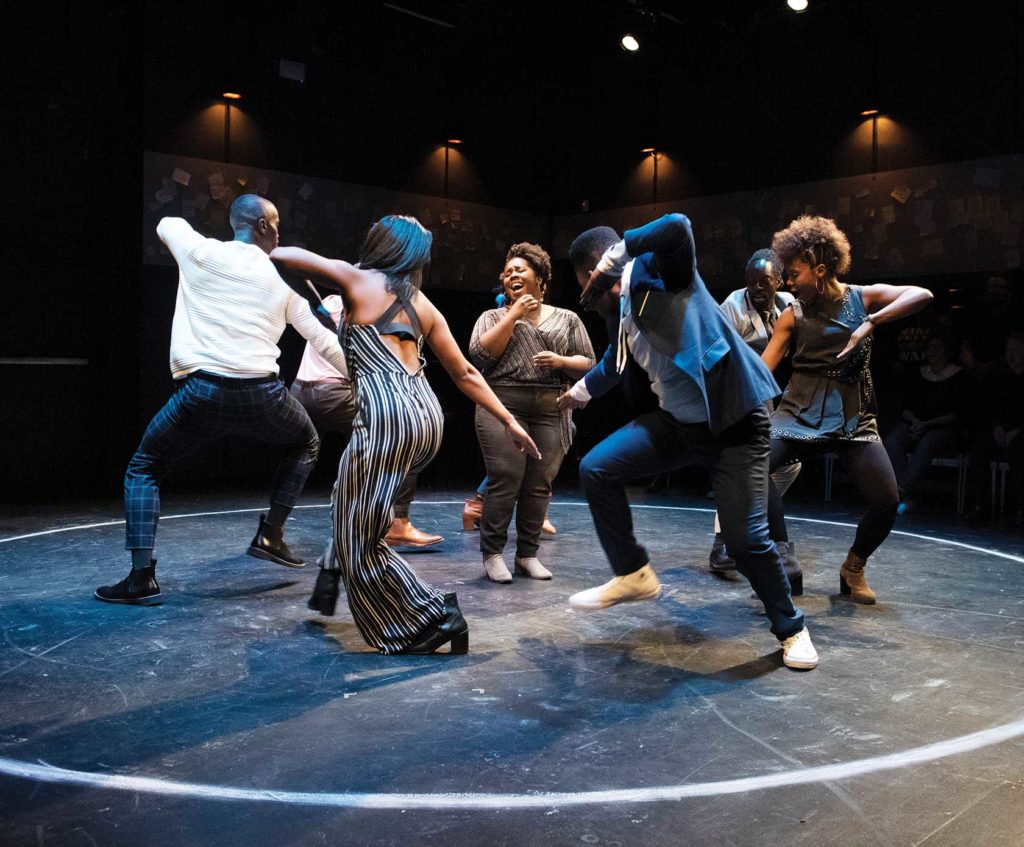
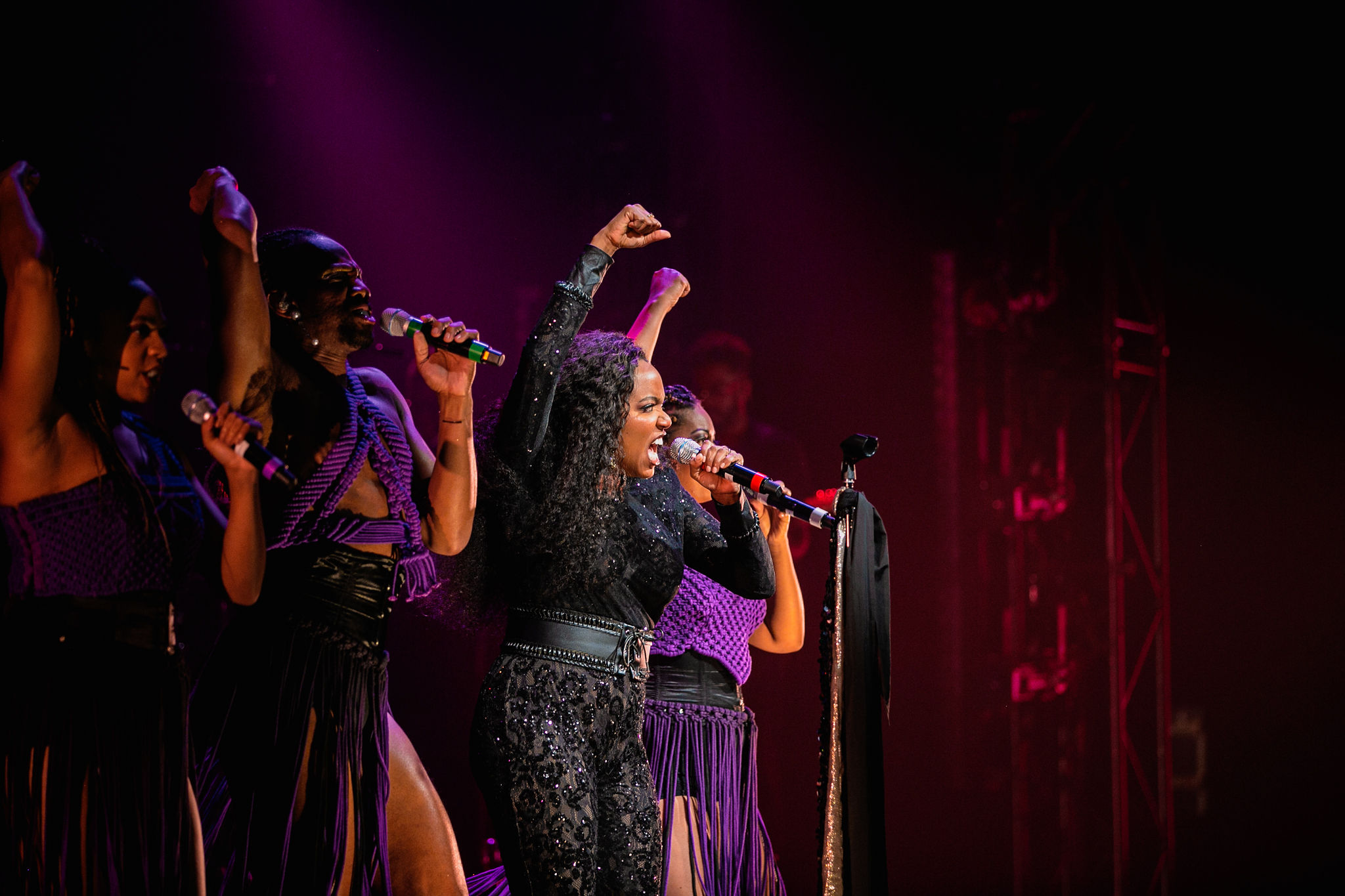
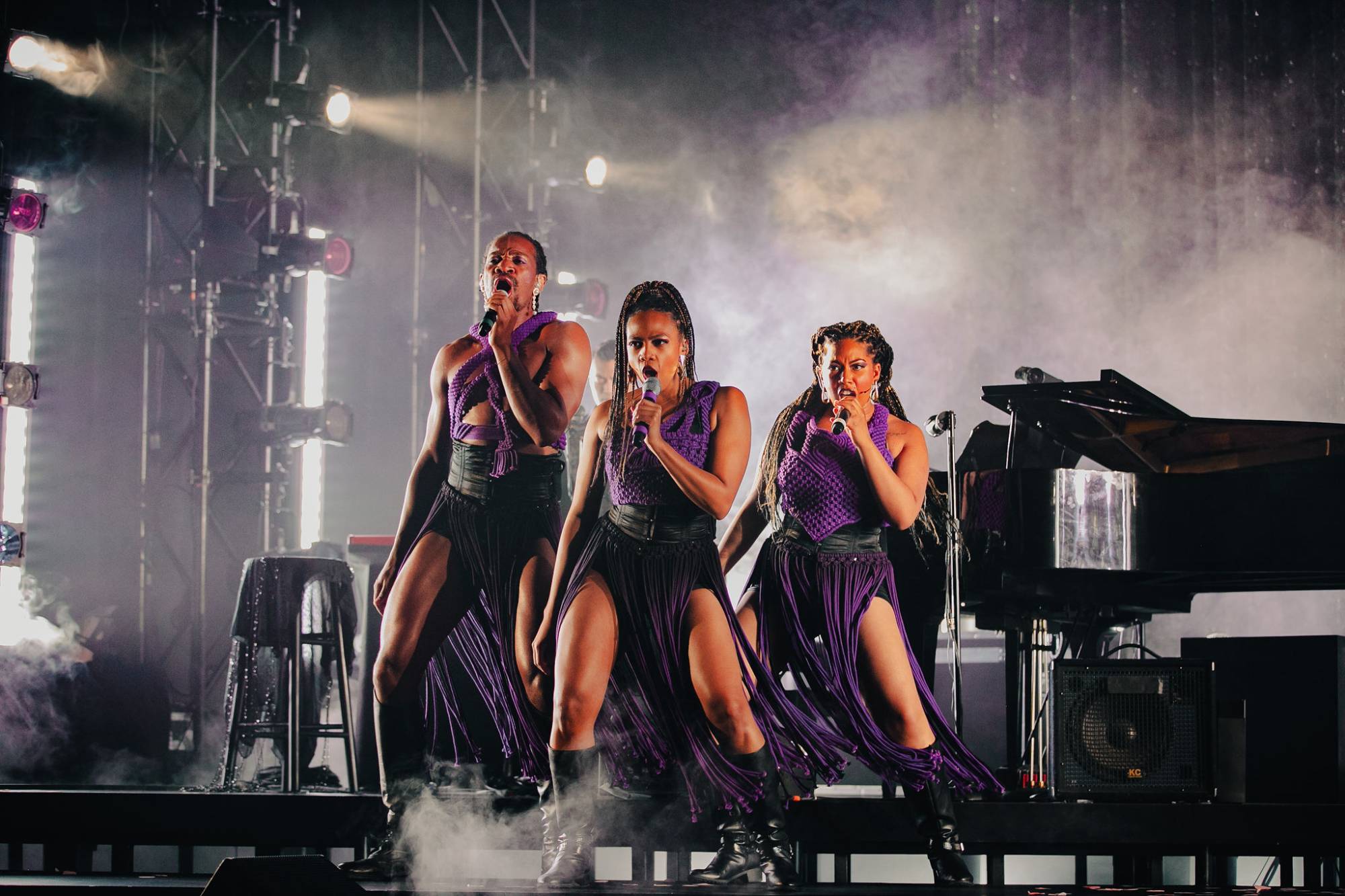
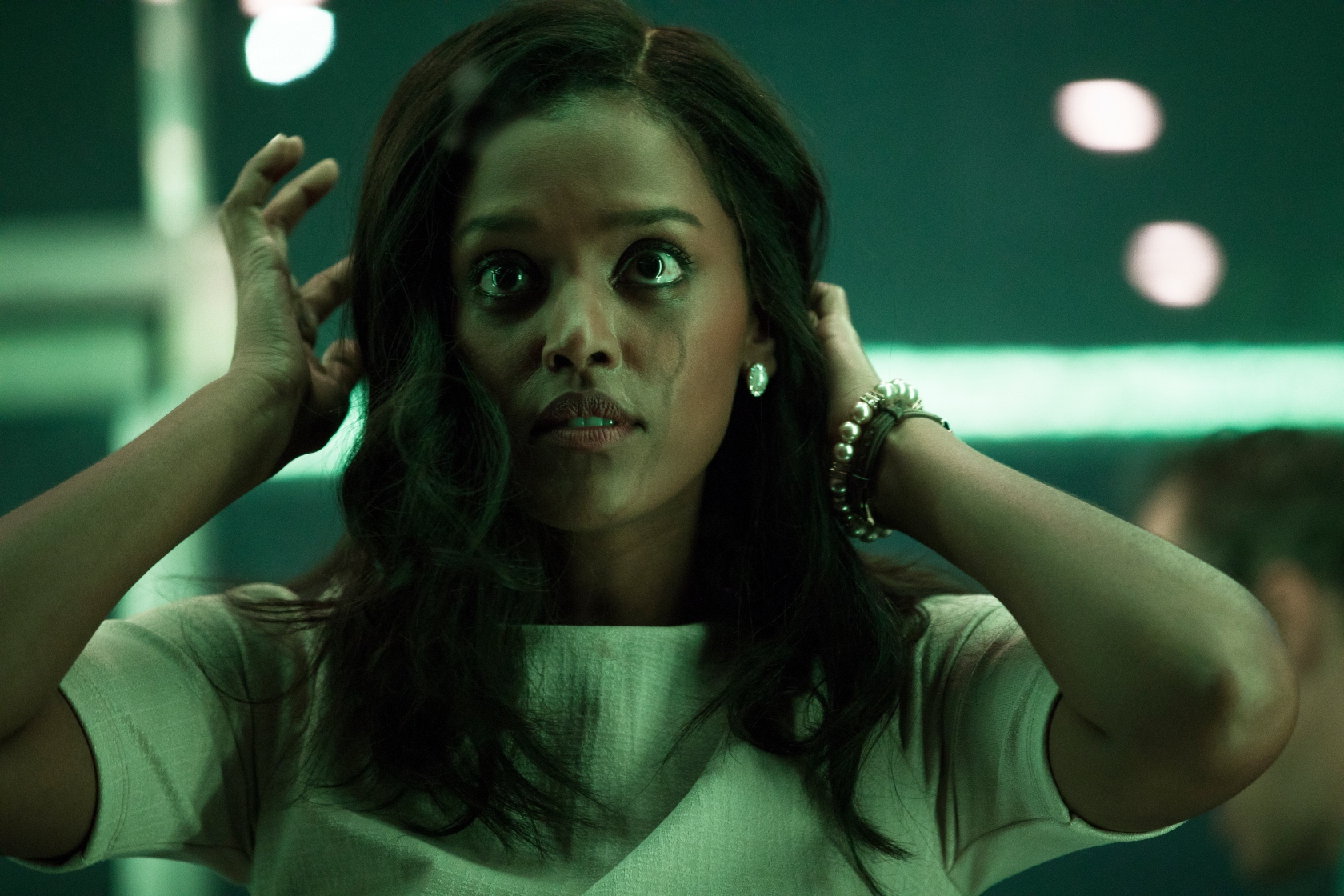
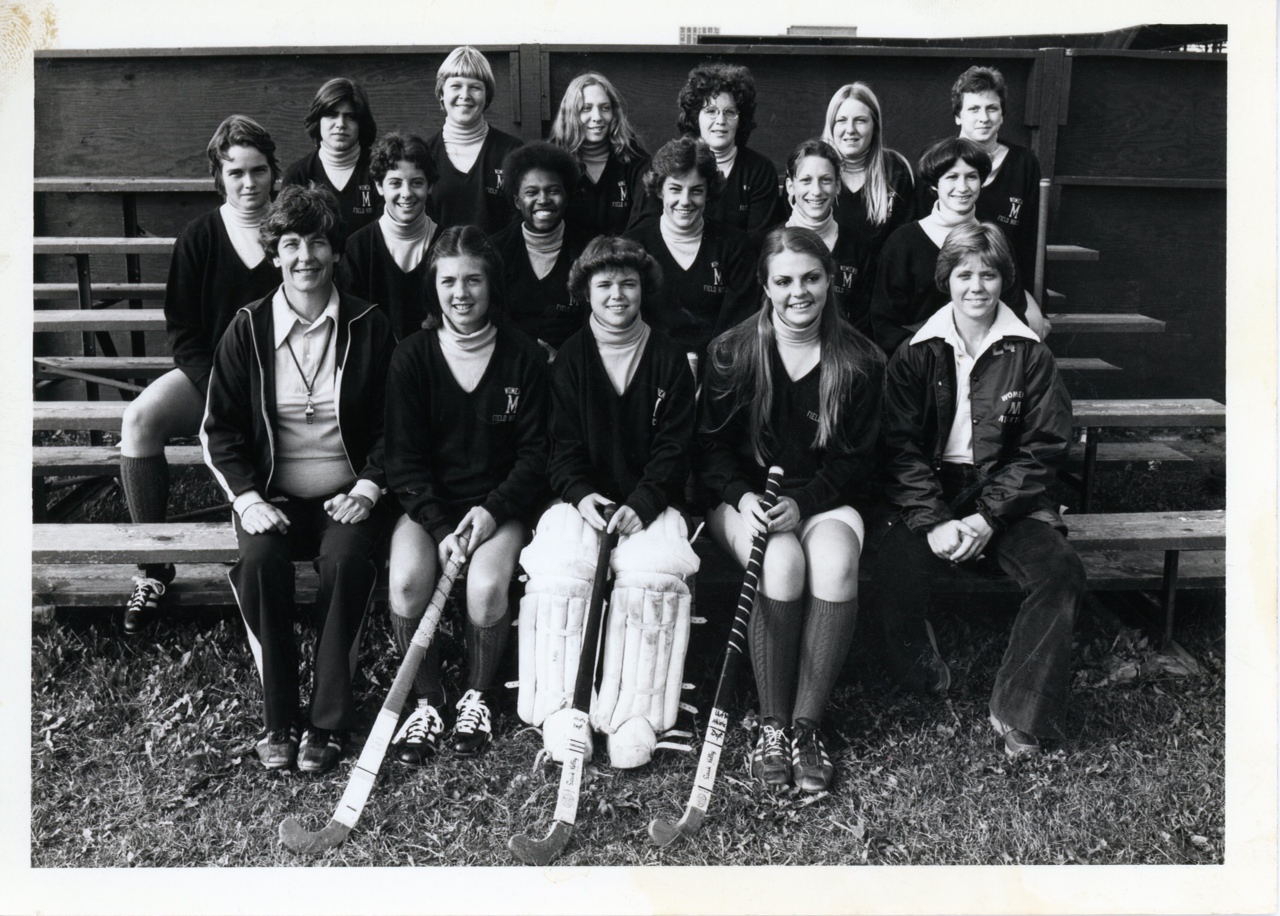
My work can be described as dynamic live performance born of collaborative processes. Guiding principles include: nontraditional storytelling, fractured structures, breaking the fourth wall, immersive staging, and diverse theatrical techniques influenced by the worlds of music, ensemble based theater, and rigorous physical exploration. The cornerstone of my work is the performer and achieving what I would consider “radical vulnerability”— which is a sharing of the self and of truth no matter how big or small.
I reject minimalism. I reject television masquerading as theatre. Theatre does not have to be quiet, even, slow and understated. Spectacle is valid and color is valid.
As a theatre maker, my favorite step during development is the preparatory phase or “analysis.” During this time the goal is to gather as many sources, directing techniques, explore tone and birth a design concept so that the production can land as a singular world. I rely heavily on photography and music, but also (for better or worse) social media, meme culture and short form video. For some processes development also happens on the body by getting in the studio myself, moving and speaking text. Another key step is collaborating with a scenic designer because the decisions you make have concrete consequences that affect every other department. The right design can facilitate a transcendent experience for audience, and the wrong design can lock intent in a cage.
Rehearsal is simple: keep everyone and everything alive through shifting tactics, experimentation, and any other means necessary.
To make theatre with integrity takes time, but theatre making is unpredictable at its core. Goal setting is therefore a necessary, and challenging endeavor. Recently, the way I think about goals and what is possible with the time that I have has changed. It likely has for you as well. In my experience now the work takes longer. Crumbling infrastructure and underfunded institutions require more input in producing, marketing, and every area other than art-making. Everyone and everything requires more attention. We are living in the time of the great resignation and how we work and demand labor from others has to be reconsidered. That being said, my desire to create hasn't changed. If anything, it has grown exponentially.
My short-term goal is to move further away from art as commodity and back to art as essential expression. “What is the story that I need to tell right now” should be the focus instead of “what will be successful.” My long-term goal is to thrive off an equal balance of originally generated work, and collaborative processes. I need to write as much as I direct. Sing as much as I listen. If anything, I hope to rely on more original work because it forces me to slow down. To consider the issues and questions mentioned above. And then when I do return to a collaboration the work will be full of gratitude.
I want you to know that I am incredibly curious. I have a strong hunch that contemporary theatre aesthetics and techniques could be pushed a lot further and still be received by wide audiences. I just don't believe that we experience and process life in a clean linear way. We are constantly interrupted. Constantly distracted. Our histories, memories, and likely how we experience reality in real time are much more like a collage than any of us admit. With each new work, I am pushing to put these truths on stage, and I hope to never settle because after everything we've been through our audiences deserve the best, most rigorously explored work.
I truly love the theatre. I love what it gives us. I love how it forces us to be in the same space together. I love how it allows for abstract ideas. Conflicting opinions. I love how it gets our hearts beating in the same time. I hope we, as a society, never abandon it.
I am working to achieve the kind of creative freedom that would allow me to work on new plays, classics, original adaptations, musicals and much more. To make work that speaks to the human experience at large. To this day a non-Black director will get a call to direct Black work and yet the idea of me directing Three Sisters or Ibsen feels like a stretch for many programmers. Why? I am well read, prepared, have the resume and the hunger to do it. Overall I hope that my work demonstrates an interest and ability to tell many stories, through many mediums. That it is boundary—free and that I can keep working not just as a director or writer or a musician, but simply as a creator with a deep love of people, audiences, and the work.